2026 zero-fee crypto card comparison true costs

No zero-fee crypto card is truly free. You always face hidden costs like conversion spreads, FX fees, or monthly limits. You must read terms closely and question marketing claims. Stay alert for sneaky charges. Simple steps help you avoid surprises and make smart choices.
Key Takeaways
Zero-fee crypto cards often have hidden costs like conversion spreads and monthly limits. Always read the fine print to avoid surprises.
Compare the actual fees of different cards, including ATM withdrawal and foreign exchange fees, to find the best option for your spending habits.
Use a step-by-step guide to calculate your real costs before choosing a card. This helps you make informed decisions and save money.
Zero-Fee Crypto Card: Is It Really Free?
Marketing Claims vs. Reality
You often see advertisements for a zero-fee crypto card promising no service fees. These claims sound appealing, but you need to look deeper. Many card providers highlight "no fees" in bold letters, yet they include hidden costs and spreads that you may not notice at first glance. For example, some cards claim no transaction fees, but they apply a spread when you buy or sell cryptocurrencies. This spread creates a gap between the market price and the price you pay, which increases your real cost.
Some cards offer 0% fees for a limited time. You must check with customer support or read the fine print to confirm the actual terms. Other cards generate income through trading commissions, even if they advertise zero fees. You may also find that free withdrawals are capped at a certain amount, such as $200, and additional fees apply for larger transactions or specific currency pairs.
Tip: Always read the terms and conditions before you choose a zero-fee crypto card. Marketing claims can mislead you if you do not check the details.
Here is a summary of how marketing claims differ from actual terms:
Many cards advertise no service fees, but hidden fees and spreads exist.
Some cards generate income through trading commissions, which creates a spread.
Limited-time offers may expire, so you must confirm current terms.
Free withdrawals often have caps, and extra fees apply for larger amounts.
Additional fees may depend on currency pairs and liquidity.
What Fees Still Apply
You may think a zero-fee crypto card removes all costs, but several fees still apply. These fees can affect your spending, withdrawals, and card management. You need to know which fees are most common so you can make informed decisions.
Here is a list of fees you may encounter:
Card Issuance Fee: You pay to activate your card.
Annual or Monthly Fee: You pay to keep your card active.
Physical Card or Shipping Fee: You pay to receive or replace your card.
Crypto Conversion Fee: You pay when you sell crypto for payment.
Spread: You pay a hidden price gap between market value and spend value.
FX Fee: You pay for purchases in non-home currencies.
ATM Fee: You pay for cash withdrawals.
Small Transaction or Declined Transaction Fee: You pay for failed or low-value payments.
Inactivity Fee: You pay after long periods without use.
Consumer reports show that hidden fees are common. You may face card processing fees over 5% when purchasing crypto with a debit card. Payment processing fees often appear in the fine print. Withdrawal fees vary by network and can add up if you move funds to hardware wallets. Identity verification requirements can be cumbersome, especially for casual buyers.
Hidden Fee Type | Description |
|---|---|
Card Processing Fees | You may incur over 5% in processing fees when purchasing crypto with a debit card. |
Identity Verification Requirements | Multiple levels of identity verification can be cumbersome for casual buyers. |
Withdrawal Fees | Fees vary by network, leading to significant costs for regular withdrawals to hardware wallets. |
Payment Processing Fee | Card companies or banks may charge a separate processing fee, often hidden in fine print. |
Note: You must check all fee types before you use a zero-fee crypto card. Hidden fees can increase your total cost and reduce your savings.
Quick Comparison: Top Zero-Fee Crypto Cards
Features and Fee Limits
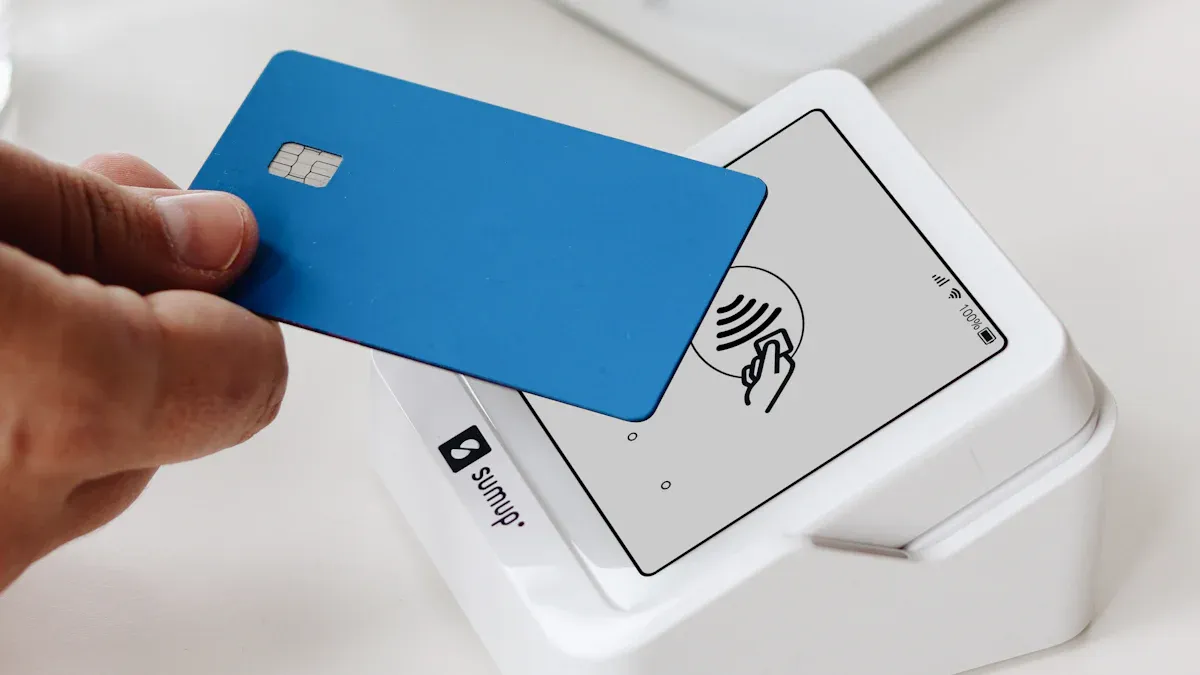
You need to compare features and fee limits before choosing a zero-fee crypto card. Each card offers unique benefits and restrictions. Some cards provide both physical and virtual options. Others limit their coverage to certain regions. You should check top-up fees, ATM withdrawal fees, and forex fees. These costs can affect your daily spending.
Here is a table showing key differences:
Card Name | Type | Top-up Fee | ATM Withdrawal Fee | Forex Fee | USD Transactions | Global Coverage |
|---|---|---|---|---|---|---|
Tevau USDT Visa Card | Physical & Virtual | 1.9% | 1.2% | Free | 200+ countries | |
Binance Card | Physical | N/A | N/A | N/A | N/A | Closed program |
Crypto.com Visa Card | Physical | Varies by stake | N/A | N/A | N/A | Not all countries eligible |
Bitget Card | Virtual, Physical | Varies (promo) | Competitive rates | N/A | N/A | EU/Asia-focused rollout |
Bybit Card | Virtual & Physical | N/A | Competitive | N/A | N/A | EU region and expanding |
Note: Always check the latest fee schedule and regional availability.
UUPAY vs. Kraken vs. Bleap
You want to know how UUPAY compares to Kraken and Bleap. UUPAY stands out with its zero top-up fee for all users and a special offer for new users. You pay only 1U to activate a virtual card and receive 1U back instantly. UUPAY also provides strong compliance, holding US MSB and Swiss licenses, and meets Asian regulatory standards. You get 24/7 global support and PCIDSS Level 1 certification.
Kraken and Bleap focus on competitive spreads and withdrawal limits. Kraken offers robust security and high-volume transaction support. Bleap targets occasional spenders with flexible monthly allowances. You can earn higher rewards with UUPAY by inviting friends, reaching up to 50% commission.
If you use your card often or value compliance, UUPAY gives you more benefits. Kraken suits frequent traders. Bleap works well for casual users.
True Costs Breakdown by Card
UUPAY Zero-Fee Crypto Card
You get a strong value with UUPAY. As a new user, you can activate a virtual card for just 1U and receive 1U back instantly. You pay no card recharge fees, which helps you save money from the start. UUPAY holds a US MSB license, registers in Hong Kong, and has a Swiss license. The company has applied for a Brazil license and meets PCIDSS Level 1 standards. You can reach support 24/7. If you invite friends, you can earn up to 50% commission through the referral program. UUPAY sets no top-up fees and offers transparent terms. You avoid many common hidden charges, but you should still check for possible spreads or FX fees on international transactions.
Tip: Always review the latest fee schedule before you use your card, even if the provider claims zero fees.
Kraken Card
Kraken gives you a secure card with a focus on high-volume users. You benefit from robust security and strong compliance. You may see competitive spreads when you convert crypto to fiat. Kraken does not charge monthly fees for most users. You can withdraw cash at ATMs, but you may face withdrawal limits and possible ATM operator fees. Foreign exchange fees can apply if you spend in a currency different from your card’s base currency. Kraken’s terms stay clear, but you should watch for conversion spreads and check if your spending fits within the free allowance.
Bleap Card
Bleap appeals to casual users with flexible monthly withdrawal limits. You need to watch for several hidden fees. The most significant costs include ATM operator fees, FX conversion fees, blockchain network fees for topping up, and monthly withdrawal limits. The table below shows these fees:
Hidden Fee Type | Description |
|---|---|
ATM operator fees | Fees charged by the ATM machine itself. |
FX conversion fees | Fees for converting foreign currency transactions. |
Blockchain network fees | Fees incurred when topping up the card. |
Monthly withdrawal limits | Some cards may limit free withdrawals per month. |
You should always check these details before you use a zero-fee crypto card. This helps you avoid surprises and manage your spending better.
Hidden Fees Explained

Crypto Conversion Spread
When you spend crypto, you rarely get the exact market price. Card providers often add a spread to the conversion rate. This means you pay more than the listed price when you use your card. You might not see this fee on your statement, but it affects every transaction. For example, if the market rate for Bitcoin is $60,000, your card might use $59,400. That $600 difference is the spread, and it goes to the provider.
Tip: Always compare the rate your card uses with the current market rate before you spend.
Foreign Exchange Fees
If you use your card abroad or shop in a different currency, you face extra costs. These include FX fees, foreign purchase fees, and exchange rate markups. Some cards also charge more on weekends. The table below shows common FX-related fees and their impact:
Fee Type | Description | Impact on Cost |
|---|---|---|
FX Fee | An extra charge on non-home-currency purchases. | Can increase costs on foreign transactions. |
Foreign Purchase Fee | Potential cross-border charge added by the issuer. | Affects the total cost of non-local purchases. |
FX Spread Or Markup | The exchange rate used for foreign purchases. | A weak rate can lead to higher costs than visible fees. |
Weekend FX Rule | Pricing changes outside market hours. | Weekend spending can be more expensive than weekday. |
ATM Fee | Flat or percentage fee charged by the issuer for withdrawals. | Small withdrawals can become costly quickly. |
Free ATM Allowance | Amount of cash that can be withdrawn without fees. | A usable allowance is crucial for minimizing costs. |
Monthly 0-Fee Allowance
Many cards offer a monthly allowance for free withdrawals or transactions. Once you pass this limit, you start paying fees. For example, you might get $200 in free ATM withdrawals each month. After that, you pay a percentage or flat fee on every withdrawal. You need to track your usage to avoid extra charges.
Note: Check your card’s monthly limits in the app or dashboard. Plan your spending to stay within the free zone.
ATM and Inactivity Fees
ATM fees can add up quickly, especially if you withdraw cash often. Some cards charge a flat fee, while others use a percentage. Inactivity fees are less common, but you should still check for them. The tables below show typical ATM and inactivity fees:
Card Name | ATM Fee Details | Inactivity Fee Details |
|---|---|---|
Coinbase | $0 ATM fee; operator fees may apply; limits apply | Not specified |
Nexo Card | Free to tier limit, then 2% with minimum fee | Not specified |
KAST Card | $3 + 2%; limits on withdrawal amounts | Not specified |
Bybit Card | 2% after free monthly allowance; varies by region | Not specified |
Fee Type | Amount |
|---|---|
ATM Withdrawal Fee | 2% |
Inactivity Fee | None |
Annual Fee | None |
Monthly Fee | None |
FX Fee on Non-USD | 1% |
You should always read the terms before using a zero-fee crypto card. This helps you avoid hidden costs and manage your money better.
Calculating Your Real Costs
Step-by-Step Guide
You can calculate your real costs before using any zero-fee crypto card. Follow these steps to avoid surprises:
List All Possible Fees
Write down every fee you might pay. Include card activation, top-up, ATM withdrawal, conversion spread, FX, and inactivity fees.Check the Conversion Rate
Compare the rate your card uses with the current market rate. The difference is the conversion spread. Multiply this spread by your transaction amount to find the hidden cost.Review Spending Limits
Find out if your card has monthly free allowances for ATM withdrawals or purchases. Calculate how much you plan to spend each month. If you go over the limit, add the extra fees to your total.Add Up All Costs
Use a table like the one below to organize your findings:Fee Type
Amount per Month
Notes
Conversion Spread
$X
Check provider’s rate
FX Fee
$X
For foreign purchases
ATM Fee
$X
After free allowance
Other Fees
$X
Activation, inactivity
Calculate Your Total
Add all the amounts. This gives you the true cost of using your card each month.
Tip: Repeat this process for each card you consider. This helps you compare real costs, not just advertised rates.
Tips for Spotting Hidden Fees
You can spot hidden fees by reading the card’s terms and conditions carefully. Here are some tips:
Look for words like “spread,” “markup,” or “allowance.” These often signal extra costs.
Check if the card lists “up to” or “from” in its fee schedule. These phrases can hide higher charges.
Search for footnotes or asterisks next to “zero-fee” claims. These usually explain exceptions.
Contact customer support if you do not understand a fee. Ask for examples based on your expected usage.
Review user forums or reviews. Other users often share real experiences with hidden fees.
Note: You should always check the latest terms before you activate or use a card. Providers can change fees at any time.
Best Value Recommendation
UUPAY for Frequent Users
You want a card that rewards you for regular use. UUPAY stands out for frequent users because you pay no card recharge fees. As a new user, you activate a virtual card for just 1U and get 1U back instantly. You benefit from strong compliance. UUPAY holds a US MSB license, registers in Hong Kong, and owns a Swiss license. The company has applied for a Brazil license. You also get PCIDSS Level 1 certification and 24/7 global support. If you invite friends, your commission rate can reach up to 50%. These features make UUPAY a top choice for active users who want to save on fees and enjoy extra rewards.
Tip: You can boost your savings by using UUPAY’s referral program and staying within the free allowance.
Best for Occasional Spend
If you use your card only a few times each month, you need flexibility and low maintenance costs. Bleap offers a flexible monthly withdrawal limit and simple terms. You avoid high fees if you stay within the free allowance. You should check for ATM operator fees and FX conversion charges before each transaction. Bleap works well for users who want to keep things simple and avoid complicated fee structures.
Card | Best Feature for Occasional Use | Main Caution |
|---|---|---|
Bleap | Flexible monthly allowance | Watch ATM/FX fees |
UUPAY | No recharge fee | Check FX on travel |
Best for High-Volume Transactions
You need a card that handles large transactions with minimal cost. Kraken and KazePay both offer strong options. Kraken provides robust security and supports high transaction volumes. KazePay stands out as one of the few cards with zero spending fees, which helps you minimize costs when you spend or transfer large amounts. You should always compare the conversion rates and check for any hidden spreads before making big transactions.
Note: You can maximize value by choosing a zero-fee crypto card that matches your spending habits and transaction size.
You learned that zero-fee crypto cards always include hidden costs. You must check terms and compare real fees. UUPAY offers strong compliance and rewards, making it ideal for frequent users. Bleap suits occasional spenders. Use the cost calculation guide to find the best card for your needs.
FAQ
What makes UUPAY stand out among zero-fee crypto cards?
You get zero recharge fees, a 1U virtual card offer for new users, and strong compliance. UUPAY holds US MSB and Swiss licenses and provides 24/7 global support.
How can you avoid hidden fees with crypto cards?
You should always read the terms and check for spreads, FX fees, and monthly limits. Compare the provider’s rates with market prices before you spend.
Can you earn rewards with UUPAY?
Yes! You can invite friends to join UUPAY. The more friends you invite, the higher your commission—up to 50% back.
See Also
Best Low-Fee Crypto Cards to Use in 2026
Evaluating Top Crypto Cards for Daily Purchases
Feature Comparison of Leading Virtual Crypto Card Providers
