Are “no fee” virtual US crypto cards truly free?
You might wonder if no fee virtual US crypto cards really mean you pay nothing. The truth can surprise you. Sometimes, “no fee” skips over small print or sneaky charges. If you want to avoid surprises, it helps to look closer and ask the right questions.
Key Takeaways
No fee virtual US crypto cards may have hidden costs. Always check for transaction fees, exchange rate losses, and inactivity fees before using them.
Read the fine print and fee schedule carefully. Understanding the terms can help you avoid unexpected charges and make informed decisions.
Use your card regularly to avoid inactivity fees. Set reminders to keep your card active and save money.
What Are No Fee Virtual US Crypto Cards?
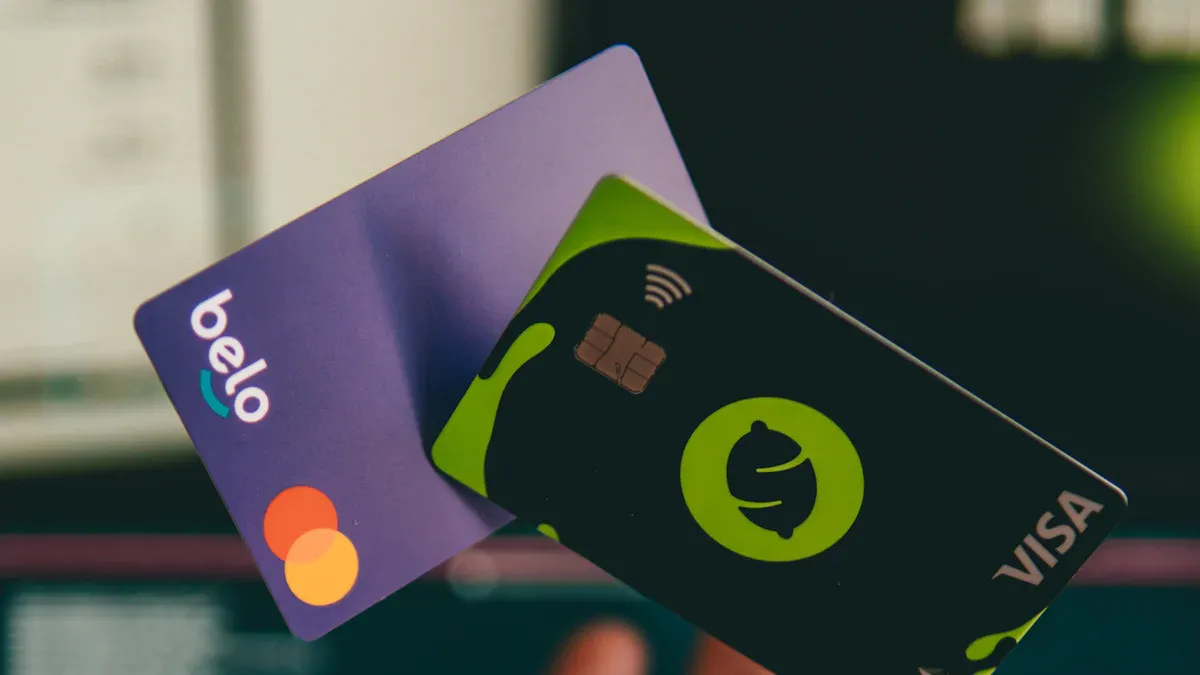
You might see ads for no fee virtual US crypto cards and wonder what makes them different from regular prepaid or debit cards. These cards let you spend cryptocurrency like Bitcoin or USDT, often without the usual bank hassles. You can get one quickly, sometimes in minutes, and you don’t always need to go through strict identity checks. Privacy and global access are big perks, especially if you value flexibility.
Here’s a quick look at how these cards stack up against traditional options:
Feature | Crypto VCC (Virtual Credit Card) | Traditional VCC |
|---|---|---|
Payment Method | Cryptocurrency (BTC, USDT, etc.) | Bank Account / Debit Card |
KYC Verification | Optional / No-KYC | Mandatory (Strict) |
Issuance Speed | Instant | Often slower |
Privacy Level | Enhanced privacy | Low (Linked to identity) |
Geographic Access | Global | Limited |
Fees | Varies (Network + Service fees) | Usually lower |
Spending Limits | Lower without KYC | Higher |
Common Waived Fees
Most providers of no fee virtual US crypto cards highlight that you won’t pay for card issuance or monthly maintenance. You can often avoid fees for local purchases, and some cards skip ATM withdrawal fees up to a certain limit. These perks make the cards attractive if you want to save money and avoid hidden charges.
Tip: Always check if the card offers fee-free spending only in the US or worldwide.
Fees That May Still Exist
Even with no fee virtual US crypto cards, you might run into costs. Providers often mention hidden fees like transaction charges, exchange rate losses, or caps on free cash withdrawals. If you use your card internationally, you could pay extra, especially if the exchange rate isn’t favorable. Some cards charge inactivity fees or re-issuance fees, which can add up over time.
You should watch for:
Transaction fees
Exchange rate discrepancies
Inactivity fees
Re-issuance fees
No fee virtual US crypto cards sound appealing, but you need to look beyond the marketing to spot the real costs.
Hidden Costs and Charges
You probably expect no fee virtual US crypto cards to save you money. Sometimes, you still pay hidden costs that sneak up on you. Let’s break down the most common ones so you know what to look for.
Transaction and Conversion Fees
Every time you swipe your card or make a purchase online, you might face transaction fees. These fees can show up when you spend in a different currency or use your card outside the US. Crypto cards often charge conversion fees because they need to turn your digital coins into dollars. You may not notice these fees right away, but they can chip away at your balance over time.
Here’s a quick comparison of fees between traditional bank cards and crypto debit cards:
Type of Fees | Traditional Bank Cards | Crypto Debit Cards |
|---|---|---|
ATM Fees | May apply | May apply |
Foreign Exchange Fees | May apply | Conversion fees may apply |
Annual Fees | May apply | Withdrawal limits and network fees may apply |
You see, both card types have fees. Crypto cards often add conversion fees, especially if you spend outside the US or use a less common cryptocurrency. Some cards also limit free withdrawals, so you pay extra if you go over the cap. Always check the card’s fee schedule before you start spending.
Note: If you use your card for international purchases, watch out for unfavorable exchange rates. You might lose more than you expect.
Inactivity and Maintenance Fees
You might think you’re safe from fees if you don’t use your card often. Many providers charge inactivity fees if you leave your card unused for a few months. Maintenance fees can also pop up, even if the card claims to be “no fee.” These charges add up, especially over a year.
Let’s look at how inactivity and maintenance fees impact your wallet:
Fee Type | Amount (Monthly) | Amount (Yearly) |
|---|---|---|
Inactivity Fee | $59.40 | |
Maintenance Fee | $0 - $15 | $0 - $180 |
If you forget about your card or use it rarely, you could pay almost $60 in inactivity fees alone. Maintenance fees vary, but some cards charge up to $15 a month. That’s $180 a year, just for keeping the card active.
Watch for:
Inactivity fees if you don’t use your card
Maintenance fees that appear after a free trial
Fees that increase if your balance drops below a certain amount
You want to avoid surprises. Always read the fine print and check the fee schedule. If you plan to use your card regularly, you might dodge inactivity fees. If you only need the card for a short time, look for options with no maintenance charges.
Tip: Set a reminder to use your card at least once every few months. That way, you avoid inactivity fees and keep your balance safe.
Terms and Agreements
Fine Print to Watch
You might feel tempted to skip the fine print when signing up for no fee virtual US crypto cards. Don’t do it. The fine print hides important details that can affect your wallet. You should look for sections about fees, limits, and how your data gets used. Some cards promise no monthly fees but still charge for things like foreign transactions or card replacements.
Here’s a quick checklist to help you spot red flags:
Check for hidden fees, like inactivity or conversion charges.
Look for spending limits or withdrawal caps.
See if the provider can change terms without notice.
Review privacy policies to know how your info is handled.
Tip: If you see language like “fees may apply” or “subject to change,” dig deeper. These phrases often signal extra costs.
Cardholder Agreements
Every card comes with a cardholder agreement. This document spells out your rights and responsibilities. You should read it before you activate your card. Agreements explain how disputes get handled, what happens if your card is lost, and how refunds work. Some providers, like UUPAY, highlight their compliance with US MSB licensing and global standards. That’s a good sign. It means they follow strict rules to protect you.
Here’s a table showing what to look for in a cardholder agreement:
What to Check | Why It Matters |
|---|---|
Licensing & Compliance | Shows provider follows the law |
Fee Schedule | Reveals all possible charges |
Dispute Resolution | Explains how issues get solved |
Data Protection | Keeps your info safe |
You want a provider that’s transparent and easy to reach. If you have questions, contact support before you sign up.
Real-World Card Examples
UUPAY and Competitors
You probably want to know how the top no fee virtual US crypto cards stack up. Let’s look at some popular options and see what you actually pay. Here’s a quick table to help you compare:
Card | FX Fee | Conversion Spread | Dormancy Fee | Staking Required | |
|---|---|---|---|---|---|
$0 | 0% | Low | None | No | |
MetaMask | Varies | 0% | Varies | None | No |
Wirexapp | $2.50 | 3% | Included | $5/mo | No |
Zypto | $2.50 | 3% | Included | $5/mo | No |
BingCard | $2.50 | 3% | Included | $5/mo | No |
Kripicard | $2.50 | 3% | Included | $5/mo | No |
Cypher | $2.50 | 3% | Included | $5/mo | No |
No-KYC Cards | Varies | Varies | High | Varies | No |
UUPAY stands out with zero card recharge fees and a special deal for new users: open a virtual card for only 1U and get 1U back. You also get peace of mind with strong compliance—UUPAY holds a US MSB license, Hong Kong registration, Swiss license, and is applying for a Brazil license. If you like sharing, UUPAY’s referral program lets you earn up to 50% commission by inviting friends.
Note: UUPAY is PCIDSS Level 1 Certified and offers 24/7 global support. You get both security and service.
User Experiences
You might wonder how these cards feel in real life. Many users like the instant setup and privacy of no fee virtual US crypto cards. Some cards, like MetaMask, offer smooth integration with crypto wallets. Others, like Wirexapp and BingCard, get mixed reviews due to dormancy fees and higher FX charges. UUPAY users often mention fast support and easy onboarding. If you want a card with low fees and strong compliance, UUPAY could be your best bet.
How to Avoid Hidden Fees
Practical Tips
You want to keep your money safe and avoid those sneaky charges. Here are some practical steps you can take:
Read the full fee schedule before you activate your card. This helps you spot hidden costs and make smarter choices.
Keep a backup payment method, like a regular debit card. If your crypto card runs into issues, you won’t get stuck.
Document every transaction. Take screenshots or save receipts. If you notice a fee you didn’t expect, you’ll have proof to dispute it.
Check exchange rates before you spend. Some cards use less favorable rates, so compare with other sources.
Use your card regularly. Many providers charge inactivity fees if you leave your card unused for months.
Stay alert for changes in terms. Providers sometimes update their fee structures, so review emails and notifications.
Tip: Users who follow these steps often report fewer hidden fees and smoother experiences with no fee virtual US crypto cards.
Questions to Ask
Before you sign up, ask these questions to protect yourself:
Question | Why It Matters |
|---|---|
What fees are listed in the schedule? | Reveals all possible charges |
How often do terms change? | Helps you stay informed |
Are there limits on free withdrawals? | Prevents surprise costs |
What happens if I don’t use the card? | Avoids inactivity fees |
How do I dispute unexpected charges? | Ensures you can get help |
You can avoid most hidden fees if you stay curious and proactive. Ask questions, read the fine print, and keep records. That way, you stay in control and enjoy the benefits of your card.
You see, no fee virtual US crypto cards aren’t always free. You need to check the terms and fee schedules. Users love cashback and easy crypto spending, but high fees and weak support can frustrate you. Compare features and costs:
Feature | Benefit |
|---|---|
Funding Options | Flexible crypto deposits |
Security Measures | Enhanced protection |
Lower Transaction Fees | Save money on payments |
If you want global access and cost savings, these cards fit your needs. Stay alert and use the tips to make smart choices.
FAQ
What does “no fee” really mean for virtual US crypto cards?
You won’t pay for card setup or monthly use. You might still see charges for transactions, currency conversion, or inactivity.
How does UUPAY compare to other cards?
UUPAY gives you zero recharge fees, a 1U new user bonus, and strong compliance. You get US MSB licensing, PCIDSS certification, and 24/7 support.
Can I earn rewards with these cards?
Yes! Some cards, like UUPAY, offer referral rewards. The more friends you invite, the higher your commission—up to 50%.
See Also
Comparing Top Virtual Crypto Card Providers For Key Features
Best Low-Fee Crypto Cards To Consider In 2026
A Beginner's Guide To Using Crypto Cards For Rent
