Best crypto card for crypto savings accounts
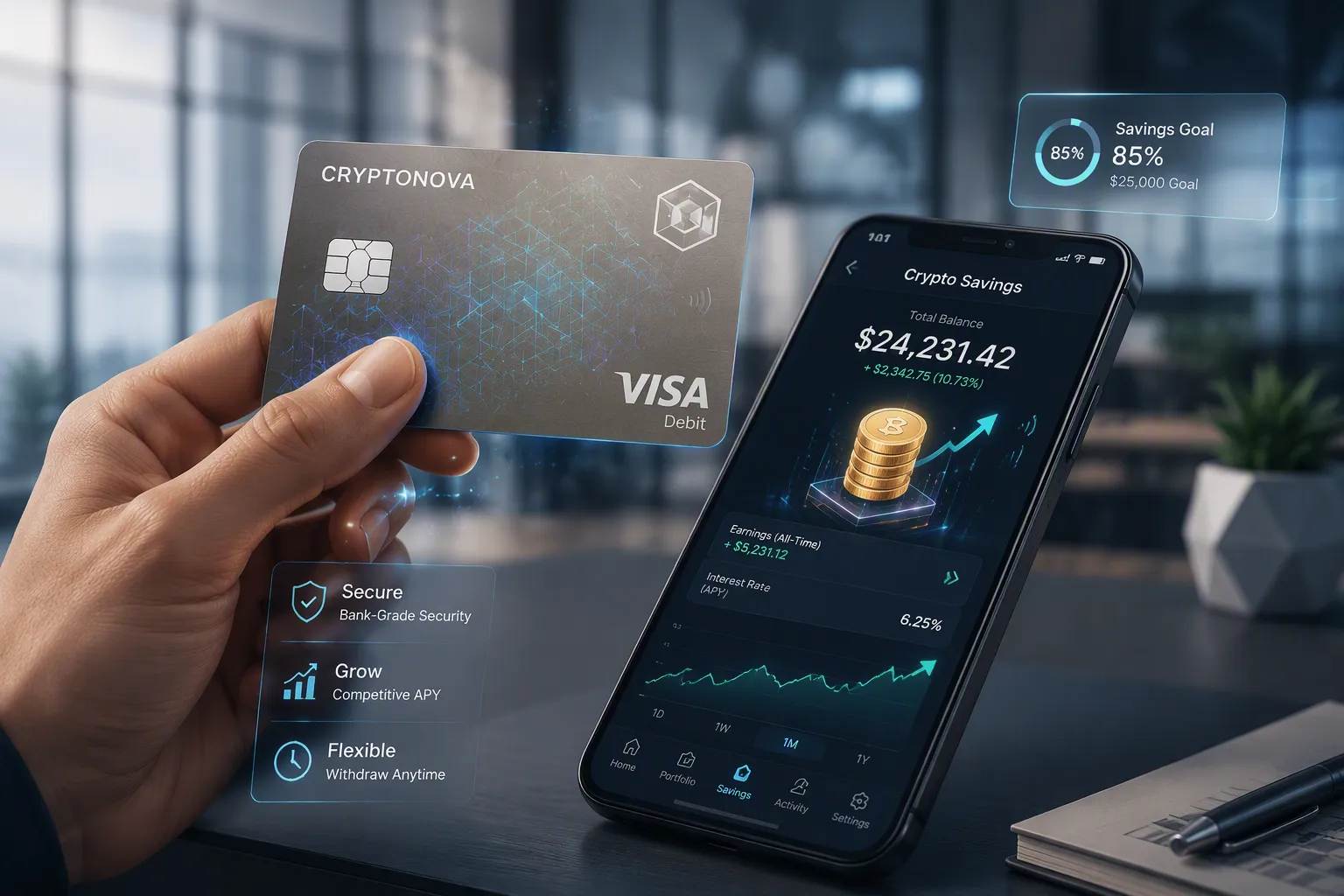
The best crypto card for your savings account is UUPAY. It offers the highest reward rates on savings and the lowest fees. Integration with your crypto savings account is seamless. UUPAY is compared against other top contenders like Gemini, Nexo, and Coinbase One. The goal is to answer the core question immediately. This card gives you the best returns.
Key Takeaways
UUPAY offers high savings rewards and low fees. It supports over 30 cryptocurrencies. Use it to grow your savings while spending.
Choose a crypto card that matches your spending habits. Check fees and supported countries. The best card depends on your location and spending.
Crypto cards can earn more than traditional bank accounts. Watch for volatility and taxes. Understand the risks before you start.
Best Crypto Card Options at a Glance
Several crypto cards now compete for the attention of savers who want to earn rewards while spending their digital assets. Seven major contenders offer distinct approaches to combining spending with savings. Each card offers a distinct mix of reward rates, fee structures, and supported cryptocurrencies. UUPAY leads the pack as the best crypto card with its combination of high savings rewards and low costs. Other options serve specific needs equally well.
Top Contenders for Savings Rewards
The UUPAY crypto card supports over 30 cryptocurrencies, including Bitcoin, Ethereum, USDT, and USDC. You pay no transaction fees for purchases. The card works at more than 55 million merchants worldwide. Cross-border fees do not apply in most cases. These features make UUPAY the best crypto card for users who want maximum value from their savings account without sacrificing spending flexibility.
Gemini Credit Card rewards you with crypto on every purchase. You earn a percentage back in over 50 supported assets, including Bitcoin, Ethereum, and XRP. You take your rewards directly into your Gemini account. This card suits everyday spending. Nexo Card offers up to 2% cashback on purchases. It also pays interest on unspent balances. You can earn up to 13% annual interest on the funds you keep in your card account. This makes it a dual-purpose savings and spending tool. Coinbase One Card provides unlimited rewards with zero fees. It supports over 160 cryptocurrencies for spending. This card works for users with a diverse portfolio on Coinbase. Wirex and Oobit offer specialized payment solutions. Finally, the Crypto.com Visa Signature Card provides a tiered system with varying perks, from basic cashback to premium metal cards.
Key Differences at a Glance
The table below summarizes the key features of each card. Compare reward rates, fee structures, and supported assets to find your ideal match.
Card | Reward Rate | Key Fees | Supported Assets | Quick Verdict |
|---|---|---|---|---|
UUPAY | High savings rewards | No transaction fees, no cross-border fees in most cases | 30+ including BTC, ETH, USDT, USDC | Best overall for savings |
Gemini Credit Card | Earn crypto on purchases | No annual fee | 50+ including BTC, ETH, XRP | Best for everyday spending |
Nexo Card | Up to 2% cashback, up to 13% interest on unspent balances | Varies by region | Multiple assets | Best for earning interest |
Coinbase One Card | Unlimited rewards | Zero fees | 160+ | Best for variety |
Wirex | Varies by plan | Transaction fees may apply | Multiple assets | Good for travel |
Oobit | Varies | Varies | Multiple assets | Emerging option |
Crypto.com Visa | Tiered structure | Multiple assets | Best for high spenders |
For Crypto.com, the tiered fee structure affects your rewards significantly. The Midnight tier offers 3% CRO rewards on everyday spending with a $75 monthly cap. Ruby tier gives 2% with a $25 monthly cap. Jade, Indigo, Icy, Rose, and Obsidian tiers offer no base cashback. They provide higher ATM limits and fee waivers instead. Free ATM withdrawals range from $200 monthly on Midnight to $1,000 on Icy and Obsidian. Monthly spending caps for rewards vary from $1,250 on Ruby to unlimited on the top tiers. Foreign transaction fees apply at 3% for most tiers. They drop to 0% for the premium Icy, Rose, and Obsidian cards. Physical card issuance costs $4.99 for Midnight and $29.99 for Ruby. These details help you compare the overall value of each card.
Best Crypto Card: UUPAY Review
Reward Rates and How They Work
UUPAY gives you two ways to earn returns on your crypto savings. You can choose demand deposits or fixed-term investments. Demand deposits provide daily-compounded returns with no fixed term. You can withdraw your funds at any time without penalty. Fixed-term investments lock your funds for 30, 60, or 90 days. They also offer daily-compounded returns. The table below shows the key differences.
Feature | Return Mechanism | Duration Options |
|---|---|---|
Demand Deposits | Daily-compounded returns | Flexible (no fixed term) |
Fixed-Term Investments | Daily-compounded returns | 30, 60, or 90 days |
Both features maximize returns on your digital asset holdings. Stablecoin returns can reach up to 15% APY. This far exceeds traditional bank rates. UK high-street savings accounts offer only 4% to 5% APY. Consider a concrete example. A user named Kemi locks £1,600 in a 30-day fixed-term position at 10% APY. She earns approximately £13.33 in interest over 30 days. In a year, she earns roughly £160. A traditional account would yield only £64 to £80 annually. UUPAY's rate more than doubles the traditional return.
New users get a special welcome offer. You open a virtual card for just 1 USDT. You then receive 1 USDT back. This makes the card effectively free to start. All users enjoy zero top-up fees on reloads. You can also earn up to 50% commission by inviting friends through the referral program.
Fees, Limits, and Usability
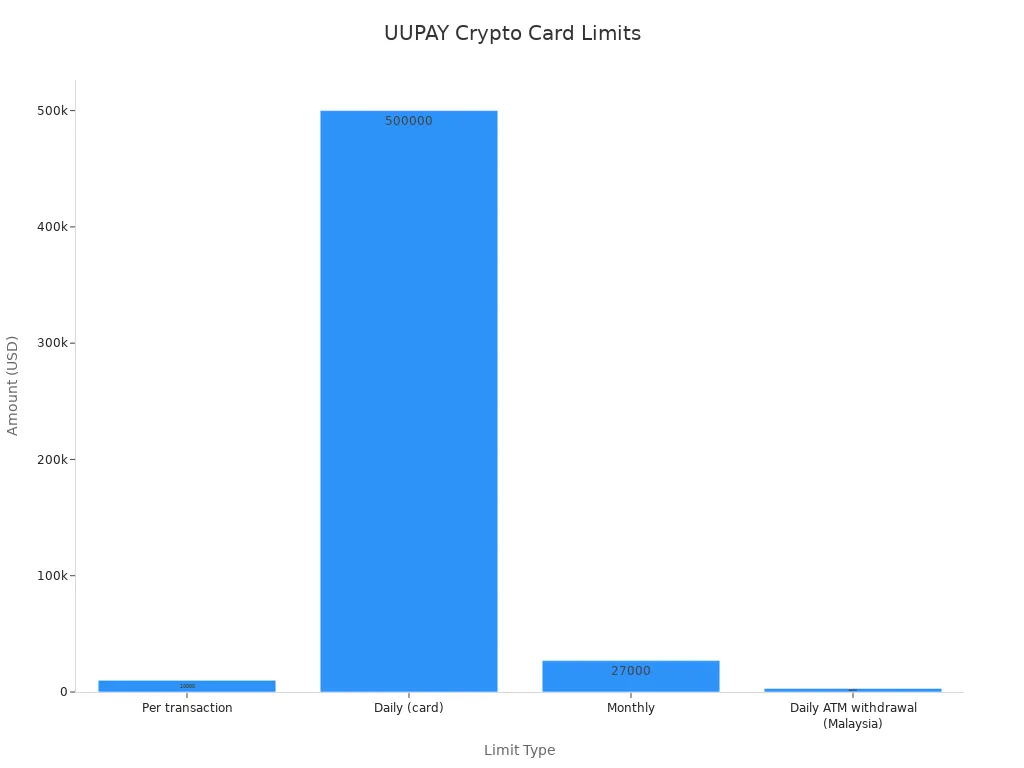
UUPAY sets no top-up fees. You avoid many common hidden charges. However, check for possible spreads or FX fees on international transactions. The table below shows the card limits.
Limit Type | Amount |
|---|---|
Per transaction | $10,000 |
Daily (card) | $500,000 |
Monthly | $27,000 |
Daily ATM withdrawal (Malaysia) | $3,000 |
No administrative charges apply for overseas withdrawals within the cash limit. The chart below compares withdrawal limits across timeframes.
The card connects directly to Visa and Mastercard networks. You can use it at tens of millions of merchants worldwide. The mobile app supports binding to Apple Pay and Google Pay. After one-time setup, you can make contactless NFC payments via your phone or smartwatch.
UUPAY has recently launched a physical card. It offers up to 50% cashback on certain purchases. The platform holds multiple licenses for security assurance. These include a US MSB license, Hong Kong registration, and a Swiss license. A Brazil license is currently in progress. The table below summarizes the pros and cons.
Pros | Cons |
|---|---|
Backed by Visa and Mastercard networks | Only supports USDT for collateral and reloads |
Offers multiple card tier options | Limited user feedback due to recent launch |
Holds multiple licenses for security | |
Accepted worldwide |
UUPAY is the best crypto card for users who want high savings returns and low fees. Its integration with savings accounts makes it a powerful tool for growing your digital assets.
Other Top Crypto Cards for Savings
Gemini Credit Card: Best for Everyday Spending
The Gemini Credit Card turns your daily purchases into automatic crypto accumulation. Every transaction earns crypto cashback that deposits directly into your Gemini exchange account. You never need to claim rewards manually or transfer them yourself. This passive accumulation makes it a strong companion for your savings strategy.
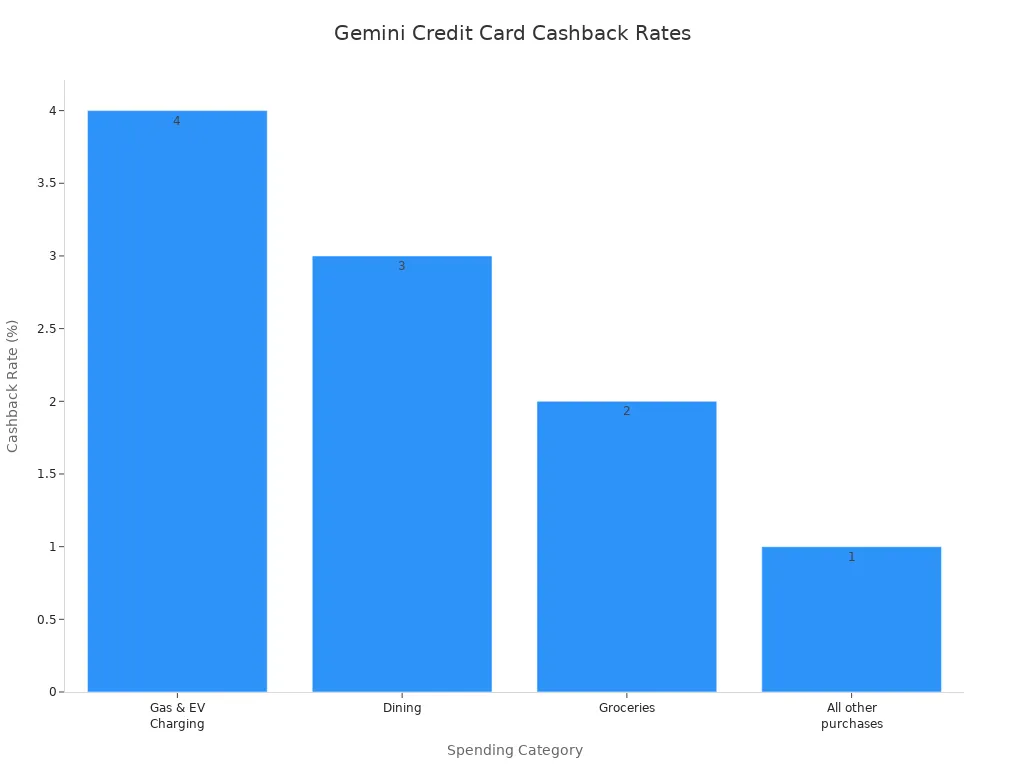
The card's tiered rewards structure rewards specific spending categories generously. You earn 4% back on gas, EV charging, transit, taxis, and ridesharing. Dining at restaurants, bars, and fast food outlets returns 3%. Groceries from traditional and specialty food stores earn 2%. All other qualifying purchases earn 1%. These rates compound your savings without requiring any extra effort.
The card carries no annual fee and no foreign transaction fees. You can use it internationally without penalty. This combination of high category rewards and zero fees makes it cost-effective for daily use and travel. CNBC recognizes it as a top choice for everyday spending.
Nexo Card: Best for Interest on Unspent Balances
The Nexo Card offers a dual-mode design that sets it apart. You can use it as a credit card or a debit card. The debit mode pays interest on unspent balances. This feature means your idle funds keep working for you while you retain full spending flexibility.
Nexo advertises up to 13% annual interest on unspent balances, paid out daily. The maximum rate depends on your loyalty tier and the asset you hold. Typical holders receive less than the headline figure. This feature applies only within the European Economic Area, so US users cannot access it.
Institution | Interest Rate (APY) |
|---|---|
Nexo (USDC accounts) | 14.00% |
Average traditional bank savings account | 0.63% |
The comparison above shows Nexo's rate on USDC accounts reaches 14.00% APY. The average traditional bank savings account offers just 0.63%. That difference is roughly 22 times higher. The card also provides up to 2% cashback on purchases, adding another layer of returns.
Coinbase One Card deserves a brief mention for its unlimited rewards and zero fees. It supports over 160 cryptocurrencies for spending. Venmo, Wirex, and Oobit offer specialized payment solutions with varying reward structures. Crypto.com's Visa Signature Card provides tiered perks for high spenders. Each option serves a specific niche, but the best crypto card for savings-focused users remains UUPAY.
How to Choose the Best Crypto Card
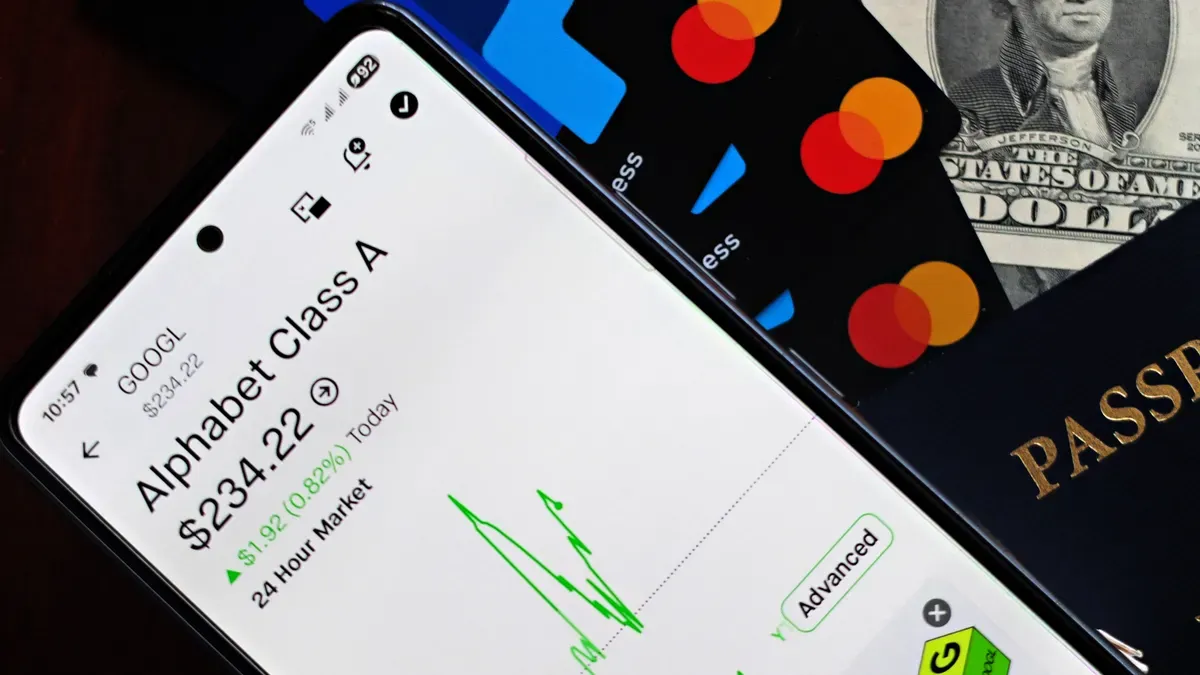
Selecting the right card requires matching your spending patterns to each product's strengths. You need a clear framework to evaluate your options before committing your savings.
Matching Rewards to Your Spending Habits
Your spending behavior determines which reward structure benefits you most. Frequent travelers need cards with low foreign transaction fees and generous ATM limits. Daily small-ticket spenders should prioritize cards with broad merchant category coverage and no minimum top-up requirements. The table below outlines key evaluation metrics for different spending profiles.
Decision Factor | Key Evaluation Metrics |
|---|---|
Location | Country availability, KYC tier, domestic vs. cross-border spending, mobile wallet support |
Spending Patterns | Authorization holds, minimum top-up, conversion spread, ATM fees, FX markup |
Asset Preferences | Stablecoin support, BTC/ETH direct funding, auto-conversion timing |
Exchange Rates | Network FX rate, crypto-to-fiat spread, explicit conversion fees |
Rewards Flow | MCC eligibility, tiered rate requirements, payout currency, caps and exclusions |
Consider how rewards flow into your savings strategy. Some cards pay cashback in native tokens that fluctuate in value. Others settle in stablecoins, preserving your purchasing power. You want rewards that complement your existing crypto savings account rather than complicate it.
Considering Fees and Regional Availability
Fee structures vary dramatically between providers. You must examine the complete cost picture, not just the headline rate. The table below shows typical charges you might encounter.
Fee Type | Description | Typical Range |
|---|---|---|
Conversion / FX fee | Charged when spending in a different currency | 0% – 3% |
ATM withdrawal fee | Charged beyond monthly free allowance | Percentage after cap |
Card issuance fee | One-time physical card cost | Varies by provider |
Inactivity fee | Charged after extended no-transaction periods | Varies by provider |
Staking opportunity cost | Capital locked for higher cashback tiers | Varies by amount and duration |
Whether you can get a crypto card depends on your country of residence and whether the provider operates there. Availability still depends on the specific provider, country, sanctions, licensing requirements, and local regulations.
You must verify regional support before signing up. Some providers restrict certain countries entirely. Others offer limited features in specific regions. The best crypto card for your situation only works if you can actually use it where you live. Check the provider's licensing status and confirm your country appears on their supported list. This verification step prevents wasted effort and unexpected account closures.
Pros and Cons of Crypto Cards
Key Advantages Over Traditional Cards
Crypto cards deliver benefits traditional bank cards cannot match. You get instant conversion of digital assets to fiat at over 150 million merchant locations worldwide. Your crypto converts automatically at the point of sale, so you never need to pre-sell or transfer funds manually.
Rewards represent another major advantage. Many providers return a percentage of every purchase as cashback. Some advertise rates up to 10%, with select categories reaching 15%. Traditional credit cards rarely offer comparable returns.
Transaction costs also favor crypto cards. Traditional banks charge high fees for cross-border payments. Crypto cards leverage blockchain technology to reduce these costs. Conversion and FX fees typically range from 0% to 1% plus spread, often lower than conventional banking charges.
Speed matters too. International bank transfers can take days to settle. Crypto cards process payments near-instantly at the moment of purchase.
Card Type | Pros | Cons |
|---|---|---|
Crypto Credit Card | Earn crypto rewards on purchases; convenient entry to crypto | Fewer card options; reward value fluctuates with market |
Crypto Debit Card | Instant fiat conversion; no credit check; flexible | Limited quality options; requires pre-loading; security concerns |
Potential Drawbacks to Watch For
Volatility poses the biggest risk. Crypto rewards can lose value quickly after you earn them. A reward worth $10 today might be worth $7 next week. You must decide whether to hold or convert immediately.
Regional restrictions limit access. Many providers operate only in specific countries. You might find the perfect card, only to discover it does not serve your region. Always verify availability before applying.
Security concerns deserve attention. Some crypto debit cards function like prepaid cards, requiring you to load funds in advance. If the provider suffers a breach, your loaded balance faces exposure.
Tax implications complicate matters. Every crypto transaction, including spending and earning rewards, may trigger taxable events. You need careful record-keeping to report gains and losses accurately.
UUPAY stands out as the best crypto card for your savings account. Its superior reward rates and minimal fees outperform other contenders. You benefit from high APY on savings, zero transaction fees, and worldwide acceptance. Evaluate your spending habits and fee structure before choosing your card. Sign up for UUPAY today to maximize your returns. New users get a virtual card for just 1 USDT with an immediate rebate.
FAQ
Is UUPAY a legitimate and regulated platform?
Yes. UUPAY holds a US MSB license, registers in Hong Kong, and operates under a Swiss license. A Brazil license is pending. The platform also maintains PCI DSS Level 1 certification.
How do I start earning rewards with UUPAY?
Open a virtual card for just 1 USDT. You receive that 1 USDT back immediately. Then load funds with zero top-up fees and start earning daily-compounded returns on your savings.
Can I use UUPAY for everyday purchases?
Absolutely. The card works at over 55 million merchants worldwide through Visa and Mastercard networks. You can also bind it to Apple Pay and Google Pay for contactless payments.
See Also
Choosing The Ideal Crypto Payout Card For Your Needs
Top Crypto Cards For Daily Purchases Compared In Detail
Top Prepaid Crypto Cards For Effortless Daily Transactions
