What a Crypto Card for Freelancer Platforms Is and How It Works in 2026
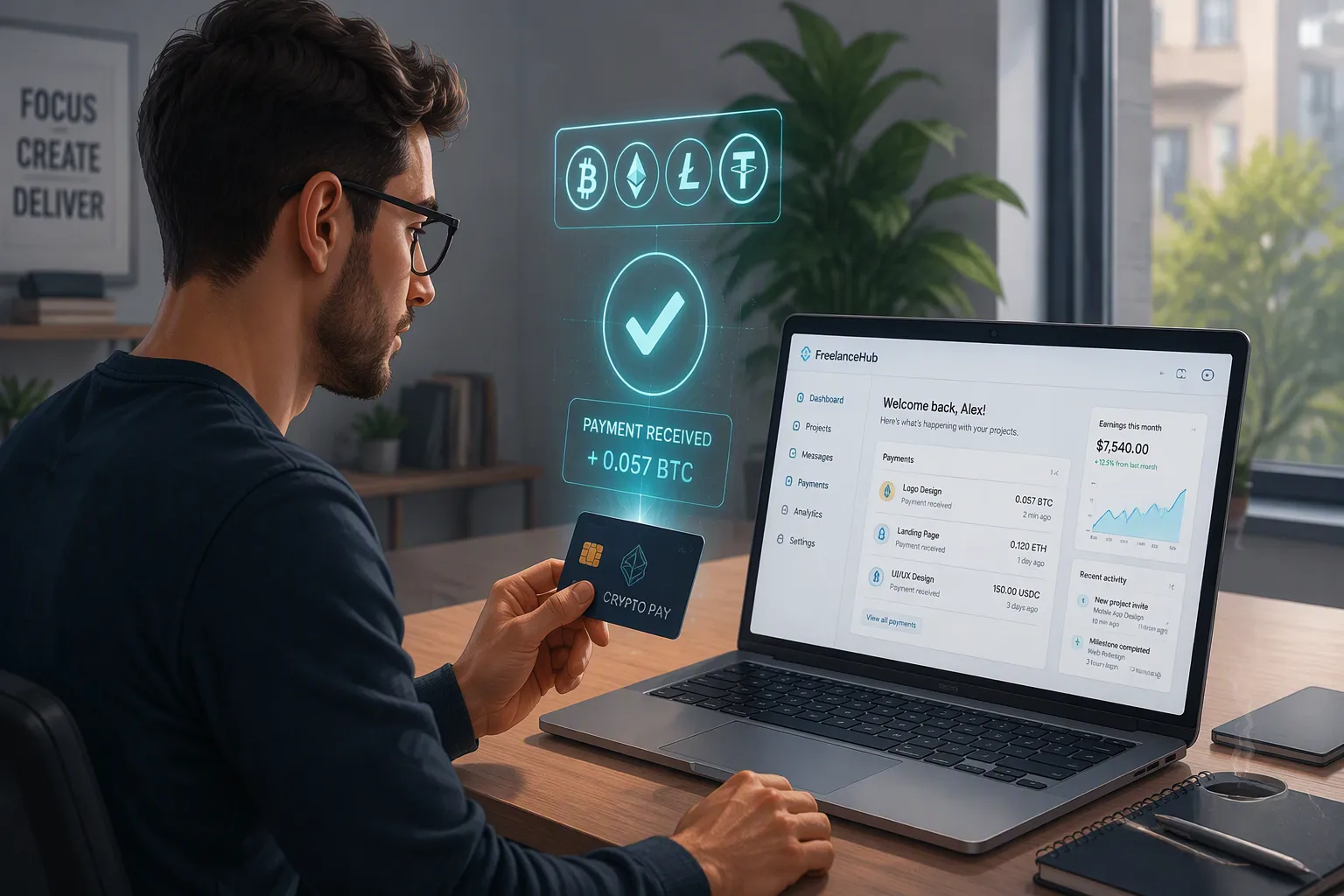
A crypto card for freelancer platforms is a payment card that lets freelancers access and spend crypto earnings directly with merchants, ATMs, or online payments. In 2026, these cards work by linking a crypto wallet or exchange account to a card network like Visa or Mastercard, converting crypto to fiat at the moment of payment. This article suits freelancers and independent contractors new to crypto. You will learn how the card connects to platform income, its costs, safety, and taxes.
Key Takeaways
A crypto card lets you spend your crypto earnings directly at stores or online. It converts your crypto to regular money instantly when you pay.
Freelancers can get paid in crypto and then use the card for daily expenses. This avoids bank delays and works even if you don't have a bank account.
Check the card's fees and limits before you choose one. Also, remember that converting crypto to regular money may be taxable, so keep good records.
How a Crypto Card Works in 2026
The Card-Wallet Link
Every crypto card starts with a wallet. A custodial wallet means a company holds your keys for you. A non-custodial wallet means you hold your own keys. Both types can connect to a card, but the setup differs. Custodial wallets usually link faster because the provider already manages the funds. Non-custodial wallets give you more control, yet you must approve each connection yourself.
Most cards in 2026 run on stablecoins. A stablecoin is a cryptocurrency pegged to a fiat currency like the US dollar. USDT and USDC are the two most common examples. You hold USDC or USDT in your wallet, and the card network treats that balance as spendable value.
UUPAY-style setups simplify this step. You link a wallet or exchange account once, then manage everything from a card app. No repeated transfers, no manual swaps before each purchase. The app becomes your single control panel for balance, limits, and spending history.
Transaction and Settlement Flow
The moment of payment is where the conversion happens. You tap your card at a terminal or enter the number online. The card network sends an authorization request to your provider. The provider checks your stablecoin balance, locks the needed amount, and converts it to fiat at the current rate. The merchant receives local currency. You receive a confirmation in the app.
Consider a realistic example. You pay $40 for groceries. The app shows the exact USDC amount converted at that moment, perhaps 40.02 USDC after the rate and any spread. That figure appears in your transaction history within seconds. You see both the fiat charge and the crypto debited, so you always know what left your wallet.
Settlement usually completes in seconds to a few minutes. The merchant does not wait for a blockchain confirmation, because the provider fronts the fiat and settles with you afterward. This design keeps checkout as fast as a normal debit card. It also means your spending power depends on your stablecoin balance, not on a bank account. Check the app after each transaction to confirm the conversion rate you received.
Why Freelancers Use It for Platform Payments
Getting Paid and Spending Earnings
Your work day starts with a client payment. The client sends funds through a freelance platform or a crypto payroll service such as NOWPayments, Bitwage, or BitPay. Your earnings arrive in your wallet as Bitcoin, Ethereum, or a stablecoin like USDC. You open the card app and request a withdrawal. The funds move to your card balance within minutes. That balance becomes your everyday spending money. You can then pay for groceries, cloud hosting, SaaS subscriptions, or client meeting coffee. No bank touches the transaction. You avoid the currency conversion delays that plague international wire transfers.
You also avoid the paperwork that comes with opening a local bank account in a foreign country. The card app shows your available balance in real time. You always know exactly how much spending power you hold. Freelancers who bill clients in crypto see this cycle turn a blockchain payment into a point-of-sale payment in almost no time. A crypto card simply closes the gap between your invoice and your daily expenses. Each purchase deducts the exact stablecoin amount at the current rate, and the app records it for you.
Borderless Access Without a Bank Account
Bank account ownership is not a prerequisite. This feature matters most for unbanked and cross-border freelancers. If you live in a country with limited banking access, a crypto card provides the same spending ability as a local debit card. You receive payments in crypto, hold stablecoins in your wallet, and swipe the card wherever merchants accept Visa or Mastercard. The infrastructure does not depend on your local bank network.
Picture a freelancer in Mexico. A US client sends payment in USDC through a payroll service. The freelancer converts those funds to pesos at the point of sale and buys supplies on the same day. There is no wire transfer waiting for approval. There is no bank branch visit. The purchase goes through exactly like a normal card transaction. This speed changes how you manage cash flow, especially when you rely on income to cover immediate expenses.
Freelancers also use virtual debit cards for business expenses. Hosting, SaaS tools, Google Ads, and design software all bill in USD. A virtual card connects to your crypto balance while the merchant sees a normal US-based card number. Many of these cards offer 0% foreign exchange fees. This perk alone can save freelancers an estimated $200 to $600 per year. The saving comes from avoiding the currency conversion markup that traditional banks routinely add to every single international transaction. Anyone paying for international services month after month sees those charges add up quickly.
Crypto Card Fees, Limits, and Security
Fees and Spending Limits
You will encounter several common fees. These include card issuance, monthly maintenance, crypto-to-fiat conversion, ATM withdrawals, and foreign transaction fees. UUPAY currently offers new users a virtual card for 1U with 1U cashback. All users enjoy zero card recharge fees. This promotion lowers your startup cost significantly.
Spending limits vary by provider. You may face daily, weekly, or monthly caps on purchases or ATM withdrawals. Check these limits inside the card app before you plan large expenses. The app usually displays your remaining allowance in real time.
Security Controls and Taxes
A crypto card gives you several security tools. You can freeze your card instantly if you lose it. PIN protection and two-factor authentication add another layer. Instant transaction alerts notify you of every purchase. UUPAY holds a US MSB license, Hong Kong registration, and a Swiss license. The company has a Brazil license application in progress. UUPAY also holds PCIDSS Level 1 certification and offers 24/7 global support. The new UUPAY physical card provides global spending, up to 50% cashback, and instant settlement. A referral commission program offers up to 50%.
Converting crypto to fiat is a taxable event in many countries. Your app should provide records for reporting. UUPAY-style cards increasingly build tax-ready statements into the app. These statements simplify your filing process each year.
What Changed by 2026
Stronger Compliance and Stablecoin Support
Crypto card issuers now face stricter KYC and AML rules. You must verify your identity before activating a card. This compliance shift protects you from fraud and makes card approval smoother across borders. Issuers that meet these standards operate with more trust from regulators and merchants alike. You receive clearer terms, faster dispute resolution, and better protection when a purchase goes wrong.
Stablecoin support has grown beyond early options. You can now hold USDC, USDT, and other pegged assets in one card app. Debit, credit, and prepaid card types give you more choice in how you manage cash flow. A debit card spends your existing balance. A credit card lets you borrow against your stablecoins. A prepaid card works without any bank connection.
Native Platform Payouts
More freelance platforms now offer native payouts to linked cards. You no longer need to move funds manually from an exchange to a separate wallet. Withdrawals happen directly within the platform you already use. This shortcut reduces waiting time and lowers the chance of transfer errors. The platform handles the conversion for you, and your card balance updates instantly.
Several named card options compete in 2026. Kripicard, UUPAY, BenPay, MetaMask, and Ledger all link to stablecoin balances with different fee structures. Compare their issuance costs, monthly fees, and conversion spreads. The right choice depends on your payment frequency and preferred currency pair.
Decentralized freelancing marketplaces such as CryptoTask also push payouts straight to your card balance. These platforms connect clients and workers without a central company. Your earnings arrive as USDC or USDT and remain spendable instantly. A crypto card closes the loop between decentralized work and everyday commerce. Regulated issuers handle the money movement while you focus on client work.
A crypto card for freelancers bridges your crypto earnings and everyday spending. It works by instantly converting crypto to fiat at the point of sale. Compare fees, limits, and platform integration. Then choose a card that fits your freelance payment workflow.
FAQ
How do I open a UUPAY card and start spending?
Create an account, complete identity verification, and order a virtual card. You pay 1U as the opening fee. UUPAY returns 1U as cashback immediately. Recharge fees are zero.
What fees should I expect?
UUPAY charges no card recharge fees. The virtual card costs 1U with 1U cashback. Compare conversion spreads and ATM withdrawal fees before you choose a provider.
Is my UUPAY card safe and compliant?
Yes. UUPAY holds a US MSB license, Hong Kong registration, and a Swiss license. It maintains PCIDSS Level 1 certification. Brazil licensing remains in progress.
See Also
How To Obtain A Cryptocurrency Card Easily
Comparing Top Crypto Payment Cards For 2026 Features Rewards
Best Mobile Crypto Cards For Earning Rewards In 2026
Practical Steps For Crypto Debit Cards At Shopee For Freelancers Abroad
Best Ways Multi-Currency Crypto Cards Book International Flights For Global Travelers
