Crypto card for global payments network
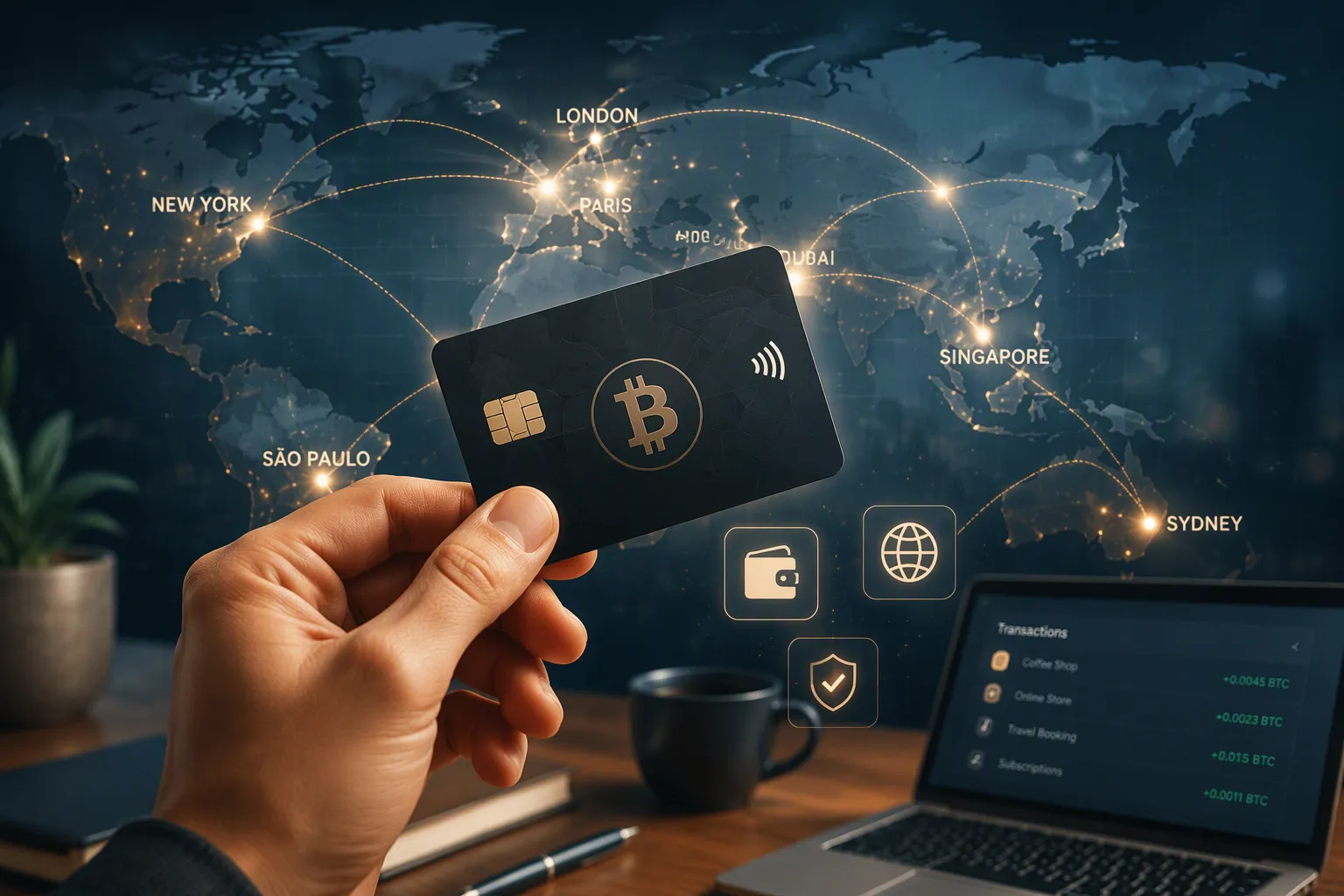
You hold crypto but still reach for a regular card. A crypto card for global payments network lets you spend crypto at any merchant that accepts traditional cards. The benefit: no manual conversion, no waiting. Just tap and pay while crypto converts behind the scenes. We’ll explain how a crypto card works, its costs, options, and safety.
Key Takeaways
A crypto card instantly converts your crypto to local currency at any Mastercard merchant.
Use a crypto card for global spending to get instant conversion and cashback rewards.
Compare crypto cards based on fees, accepted coins, and security licenses before signing up.
What Is a Crypto Card
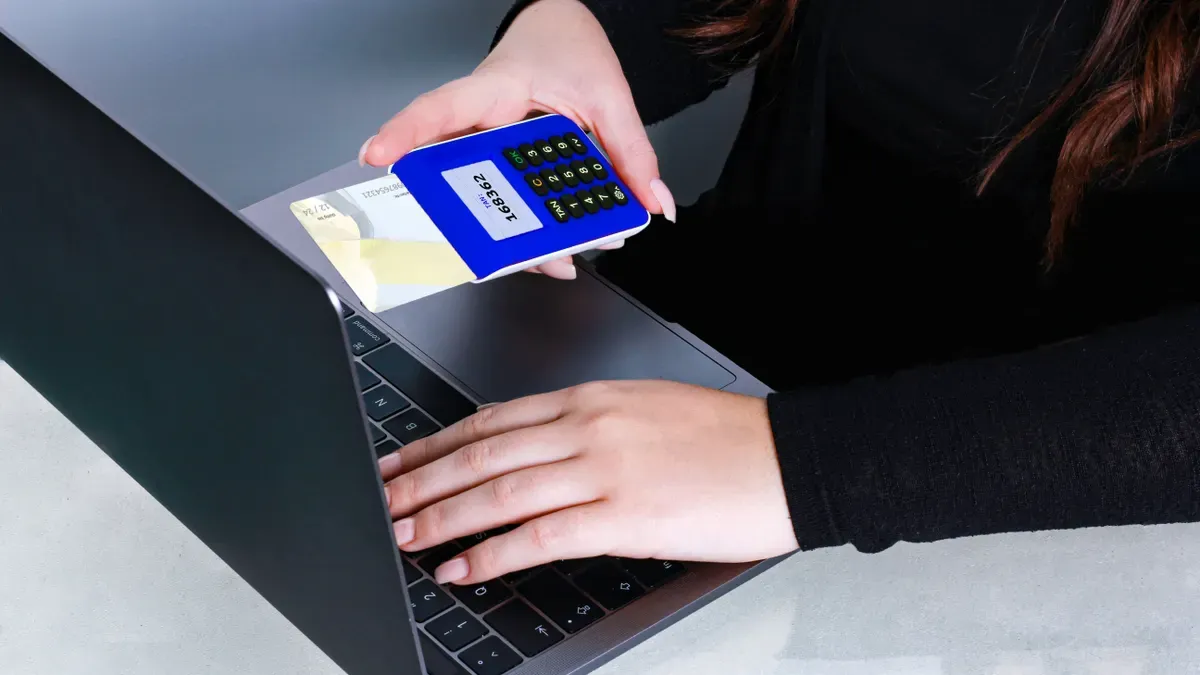
A crypto card looks and acts like a normal debit card. The difference sits in your wallet. You load it with digital assets instead of dollars or euros. When you pay, the card converts your crypto to fiat money at the point of sale. Fiat means regular government-issued currency, like USD or EUR. The merchant never touches your crypto. They just get paid in the money they already accept.
How Point-of-Sale Conversion Works
You tap your card at a coffee shop. Behind the scenes, the system sells a small amount of your ETH, USDC, or mUSD. It converts that amount into local currency. The merchant receives fiat. You walk away with your latte. This all happens in seconds, so you never manually swap anything.
A crypto debit card works anywhere the payment network is accepted. That includes Apple Pay and Google Pay. You add the card to your phone wallet just like any other card. Then you pay with a tap or a swipe. The conversion happens automatically, and you see the transaction in your card app.
Stablecoins like USDC and mUSD make this process smoother. Their value stays pegged to the dollar, so you worry less about price swings between purchase and settlement. Volatile coins like ETH work too, but the amount you spend may shift slightly with the market.
Why the Global Payments Network Matters
The card network is the rails that carry your payment from the merchant to your crypto balance. Mastercard's secure, global payments network enables simple, real-time use of crypto and stablecoins for everyday transactions. That reach matters when you travel or shop online with foreign sellers.
Mastercard operates in more than 210 countries and territories, serving over 150 million merchant locations globally. Mastercard's official network page states the network spans 220+ markets and territories. So your crypto card likely works almost anywhere you go. You do not need a local bank account or a currency exchange booth.
The network also handles security and fraud protection. It checks each transaction and shields your account details from the merchant. You get the same protections you expect from a traditional card, plus the ability to spend assets you already hold.
Key Features and Benefits

Global Acceptance and Instant Conversion
A crypto card shines when you travel or shop online. You pay in local currency, and the card converts your crypto in real time. No bank visit. No exchange booth. UUPAY gives you a physical card that works at merchants worldwide. You connect your wallet and spend stablecoins or other assets across 100+ countries.
The conversion happens at the point of sale. You tap, and the network settles the payment in fiat. UUPAY supports this with 24/7 customer support and PCIDSS Level 1 security. That means your card data stays protected at the highest industry standard. UUPAY also holds a US MSB license, a Hong Kong registration, and a Swiss license, with Brazil pending. These credentials build trust for cross-border spending.
Rewards and Everyday Value
Rewards make daily spending more attractive. UUPAY offers up to 50% rebate on global spending. You can also earn cashback on eligible purchases:
Up to 10% cashback year-round on eligible transactions
A referral program adds up to 50% commission when you invite friends. Travelers benefit most from instant conversion and no foreign transaction hassle. Freelancers value receiving crypto and spending it directly. Everyday spenders enjoy simple cashback without complex point systems.
Crypto rewards offer flexibility and direct ownership. Traditional points stay locked in an issuer's ecosystem. Crypto rewards can appreciate, but their value fluctuates. Weigh both sides before you commit.
Choosing a Crypto Card
Comparing Options and Fees
Not all crypto cards charge the same way. You want to look at issuance fees, monthly fees, ATM withdrawal costs, and foreign transaction charges. Some cards offer free virtual cards but charge for physical ones. Others bundle everything into a flat monthly fee. A few waive fees when you hold a minimum balance in their token. So which one works for you? Read the fine print before you sign up.
Take UUPAY as one example. New users get a virtual card for just 1U, with a refund option. That lets you test the service without risking much. Fee-free charging means you top up your card with no extra cost. If you want a physical card, you can order one for global use at merchants worldwide. UUPAY also runs a referral program. You earn up to 50% commission on invites, which offsets costs over time.
Behind the scenes, processors like Worldpay guide crypto exchanges through global payment processing. They connect exchanges to Visa and Mastercard networks. That infrastructure powers the instant conversion when you tap your card at any point of sale.
Compliance matters too. UUPAY holds a US MSB license, a Hong Kong registration, and a Swiss license, with Brazil pending. These credentials show the card follows regional regulations and passes regular audits. Always check which licenses a card provider holds before funding your account. A regulated provider gives you more protection if something goes wrong.
Getting Started, Security, and Drawbacks
Getting started takes only a few minutes. You download the app, verify your identity with an ID and selfie, and connect your crypto wallet. For UUPAY, you then order a virtual card for 1U or request a physical card for everyday use. Load it with stablecoins like USDC or mUSD, and you can spend anywhere Mastercard is accepted. The app shows your balance in real time and tracks each transaction.
Security comes from both the card network and the issuer. Card networks like Mastercard run fraud detection on every transaction. UUPAY holds PCIDSS Level 1 certification, the highest card data security standard. Your card details stay encrypted and never get shared with merchants in full. You also get 24/7 customer support if an issue arises.
Drawbacks do exist. Crypto card fees can add up if you use ATMs often or carry multiple currencies. Check withdrawal limits and foreign exchange markups before you travel. Volatility affects spending when you hold non-stable coins. A purchase costing 0.01 ETH today might cost more or less in fiat tomorrow. Regional regulations also vary. Some countries restrict crypto-linked cards entirely. Verify availability where you live and where you plan to travel.
A crypto card offers real convenience, but weigh these trade-offs carefully. Compare options like UUPAY against your own spending habits. Pick a card that fits your life, not just your wallet.
Your crypto card turns idle coins into spendable money anywhere traditional cards work. Weigh fees, exchange rates, volatility, and regional rules first. Compare UUPAY against your own spending habits before signing up. Global networks and crypto cards will keep converging, making crypto spending feel as normal as any card payment.
FAQ
Is a crypto card safe to use every day?
Yes. UUPAY holds a US MSB license, a Hong Kong registration, and a Swiss license, plus PCI DSS Level 1 security. You also get 24/7 global support.
What does it cost to open a crypto card?
UUPAY charges 1U for a new virtual card and refunds that 1U right away. Card top-ups carry no fees.
Where can you actually spend your crypto?
Anywhere Mastercard runs, which spans over 220 markets. UUPAY works across 100+ countries, including Apple Pay and Google Pay.
See Also
Ultimate Resource On Crypto Debit Cards For International Sellers
Pros And Cons Of Worldwide Crypto Cards For Regular Consumers
In Depth Guide To Web3 Cards For Crypto Daily Spending In Asia
Top Methods Using Multi Currency Crypto Cards For Flight Bookings
