Layer2 Crypto Cards Compared for 2026

You want the best layer2 crypto card in 2026. UUPAY leads with strong blockchain compliance and global payments support. Cards like Nexo and Coinbase offer unique cryptocurrency features. Custodial and non-custodial options affect your control. Compare fees, rewards, DeFi yield, and usability to find the right crypto solution.
Key Takeaways
UUPAY offers zero fees for opening and recharging during promotions, making it a cost-effective choice for global payments.
Choose between custodial and non-custodial cards based on your need for control and security over your assets.
Compare fees, rewards, and transaction limits to find the layer2 crypto card that best fits your spending habits and financial goals.
Best Layer2 Crypto Cards of 2026
Choosing a layer2 crypto card in 2026 gives you access to fast blockchain payments, low fees, and new financial services. You can pick from several top cards, each with unique features. Some cards let you control your assets directly, while others hold your funds for you. This difference matters for security and flexibility. Here are the leading options you should consider:
UUPAY Layer2 Crypto Card
UUPAY stands out as a global leader in blockchain digital payments. You get access to the upgraded service at uupay.com. During the current promotion, you pay no card opening fee and no recharge fee. UUPAY meets strict regulatory standards. It holds a US MSB license, registers in Hong Kong for Asian compliance, owns a Swiss-licensed subsidiary, and works toward a Brazil license. You can join the referral program and earn higher commissions as you invite more friends, up to 50%. UUPAY uses advanced blockchain technology to support bitcoin, ethereum, and other assets. You can use smart contracts for secure trading and manage your digital wallets with ease. UUPAY offers both custodial and non-custodial options, so you choose how much control you want over your crypto.
Nexo Crypto Card
Nexo gives you a flexible way to spend cryptocurrency. You can use your card for everyday purchases and trading. Nexo supports bitcoin and other major coins. You earn rewards on your spending and can access instant loans backed by your crypto. Nexo works with blockchain networks to keep transactions fast and secure. You use a custodial system, so Nexo holds your assets. This setup makes it easy for you to manage your funds, but you rely on the platform’s security.
Coinbase Crypto Card
Coinbase offers a simple way to use your crypto for payments. You can spend bitcoin, stablecoins, and other assets at millions of merchants. Coinbase connects with major blockchain networks and supports digital wallets. You earn rewards on purchases and can track your spending through the Coinbase app. The card uses a custodial model, so Coinbase manages your assets. This approach gives you convenience and strong compliance, but you do not have direct control over your private keys.
Gemini Cryptocurrency Card
Gemini provides a secure card for digital payments. You can use bitcoin and other cryptocurrencies for shopping and trading. Gemini follows strict regulatory rules and offers insurance for your assets. You earn cashback rewards in cryptocurrency. Gemini uses a custodial system, which means the platform holds your funds. You benefit from strong security and easy access, but you trust Gemini to protect your crypto.
MetaMask Layer2 Card
MetaMask brings non-custodial power to your wallet. You control your assets and private keys. You use the card for blockchain payments and trading. MetaMask supports bitcoin, ethereum, and other coins. You connect to DeFi platforms and use smart contracts for advanced financial services. MetaMask works with layer2 networks to lower fees and speed up transactions. You manage your digital wallets directly, giving you full control and privacy.
Etherfi Crypto Card
Etherfi focuses on DeFi and blockchain integration. You use the card for payments, trading, and earning yield on your assets. Etherfi supports bitcoin and other cryptocurrencies. You can connect to DeFi protocols and use smart contracts for lending and borrowing. Etherfi offers both custodial and non-custodial options. You choose the level of control and security that fits your needs.
Coinbase One Crypto Card
Coinbase One gives you extra benefits for frequent cryptocurrency users. You pay no fees for card use, conversions, or ATM withdrawals. You can spend stablecoins like USDC for daily payments. The card works worldwide as a VISA debit card. You get fee-free conversion from fiat to USDC, making trading and payments simple. Coinbase One comes from a compliant platform, so you trust the security and reliability. Here is a quick look at the main advantages:
Advantage | Description |
|---|---|
Fee Exemption | You pay no fees for using the card, which saves you money. |
Native Asset Payment Mechanism | You spend stablecoins like USDC directly for daily transactions. |
Fee-Free Conversion | You convert fiat to USDC without extra costs. |
Daily Transactions and Withdrawals | You make purchases and ATM withdrawals without losing money to fees. |
Global Acceptance | You use the card at merchants worldwide, thanks to VISA support. |
Compliant Background | You benefit from strong compliance and fund security. |
Custodial vs. Non-Custodial Layer2 Crypto Cards
You need to decide if you want a custodial or non-custodial layer2 crypto card. Custodial cards, like Coinbase, Gemini, and Nexo, hold your assets for you. You get easy access and strong compliance, but you trust the platform with your funds. Non-custodial cards, like MetaMask and some Etherfi options, let you control your private keys and assets. You gain privacy and independence, but you take on more responsibility for security. UUPAY and Etherfi offer both choices, so you pick the model that fits your needs.
You should think about your priorities. If you want convenience and compliance, choose a custodial card. If you value control and privacy, go with a non-custodial card. Each layer2 crypto card uses blockchain technology to deliver fast, secure digital payments and trading. You can use these cards for bitcoin, cryptocurrency, and other financial services. The right card helps you manage your assets and take advantage of new blockchain innovations.
Layer2 Crypto Card Comparison Table
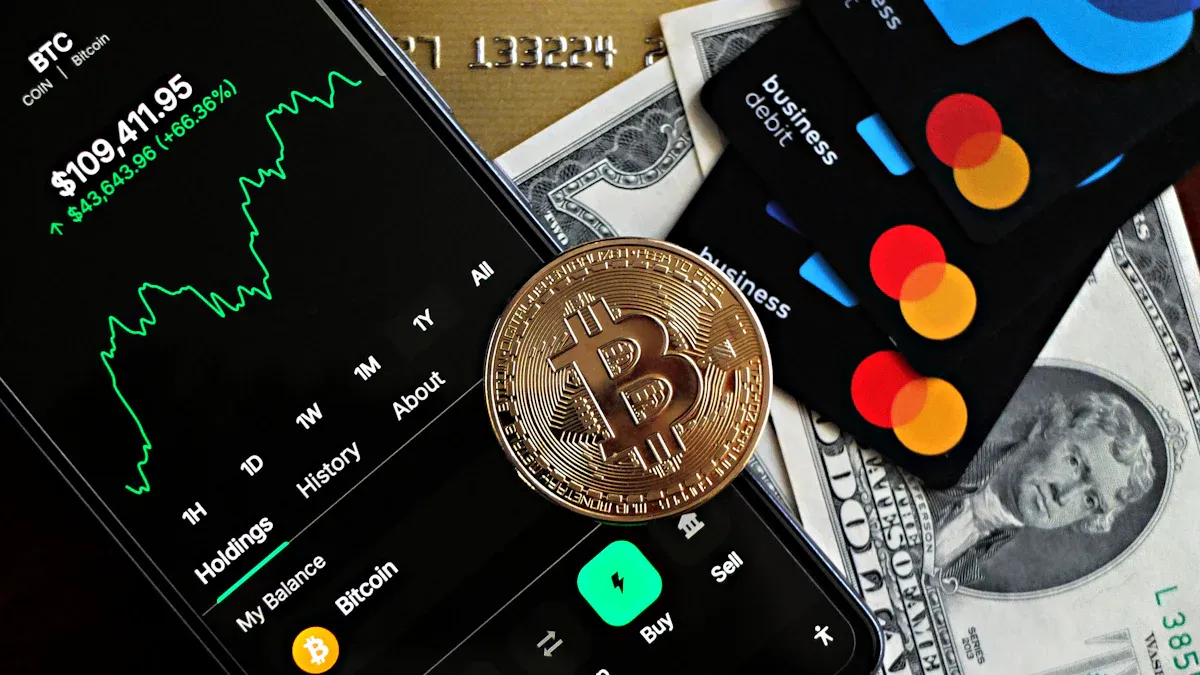
Fees and Rewards Overview
You want to know how each layer2 crypto card compares when it comes to fees and rewards. Fees can affect your daily payments and trading. Rewards can help you earn more from your spending. The table below shows the main differences between the top cards for 2026.
Card Name | Opening Fee | Recharge Fee | Spending Fee | ATM Withdrawal Fee | Rewards Type | Reward Rate | Requirements |
|---|---|---|---|---|---|---|---|
$0 (promo) | $0 (promo) | Low | Low | Referral, Cashback | Up to 50% | Account, KYC | |
Nexo | $0 | Varies | Low | Low | Cashback, Yield | Up to 2% | Asset balance, KYC |
Coinbase | $0 | Varies | Low | Medium | Crypto Rewards | Up to 4% | Account, KYC |
Gemini | $0 | Varies | Low | Medium | Crypto Cashback | Up to 3% | Account, KYC |
MetaMask | $0 | None | Network fee | Network fee | DeFi Yield | Varies | Wallet, No KYC |
Etherfi | $0 | None | Network fee | Network fee | DeFi Yield, Cashback | Varies | Wallet, Optional KYC |
Coinbase One | $0 | $0 | $0 | $0 | Crypto Rewards | Up to 5% | Subscription, KYC |
💡 Tip: You save money with cards that offer zero fees for opening and recharging, like UUPAY and Coinbase One. Cards with cashback or crypto rewards help you earn more from your payments and trading.
Limits, Regions, and DeFi Yield
Limits and regions can change how you use your cryptocurrency card. Some cards have strict transaction limits because of local regulations. Others let you spend more or use your card in more places. DeFi yield lets you earn extra income by connecting your card to blockchain financial services.
Card Name | Transaction Limits | Supported Regions | DeFi Yield Integration | Best Use Case |
|---|---|---|---|---|
UUPAY | High, flexible | Global (US, Asia, EU) | Yes | Global payments, trading, rewards |
Nexo | Medium, asset-based | Limited (EU, UK, select) | Yes | Everyday spending, crypto loans |
Coinbase | Medium | US, EU, UK | No | Simple payments, rewards |
Gemini | Medium | US, EU | No | Secure payments, cashback |
MetaMask | Network-based | Global | Yes | DeFi trading, asset control |
Etherfi | Network-based | Global | Yes | DeFi yield, flexible payments |
Coinbase One | High | Global | No | Fee-free payments, global use |
Different layer2 crypto cards have unique transaction limits and regional support. For example, Trustee Plus sets a monthly fiat transaction limit of €50,000 and a cash withdrawal limit of €20,000. Cryptopay allows a maximum daily deposit of £8,000 and a single spending limit of £27,000. These limits reflect the strict regulations in their regions. Wirex, which operates under Singapore's rules, does not allow cash withdrawals at local ATMs. Bybit supports spending in multiple currencies across the EU and UK, but excludes some countries. The Nexo Card works as a hybrid between credit and debit, with limited regional availability and asset requirements. Bybit lets you spend cryptocurrencies directly where Mastercard is accepted, with support for various coins and specific regional access.
📝 Note: You should check the transaction limits and supported regions before choosing a card. Cards with DeFi yield integration, like MetaMask and Etherfi, let you earn extra income from blockchain financial services. Cards with global support, like UUPAY and Coinbase One, give you more freedom for payments and trading.
Best Use Cases for Each Cryptocurrency Card:
UUPAY: You want global payments, flexible trading, and high rewards. UUPAY fits users who need compliance and advanced blockchain features.
Nexo: You prefer everyday spending and want to earn yield or take crypto loans. Nexo suits users who keep assets on crypto exchanges.
Coinbase: You need simple payments and easy rewards. Coinbase works well for users who want convenience and strong compliance.
Gemini: You value secure payments and cashback. Gemini is best for users who want insurance and regulatory protection.
MetaMask: You want full control of your assets and access to DeFi trading. MetaMask is ideal for users who use smart contracts and blockchain wallets.
Etherfi: You seek flexible payments and DeFi yield. Etherfi fits users who want to connect to blockchain financial services.
Coinbase One: You want fee-free payments and global access. Coinbase One is perfect for frequent travelers and traders.
You should match your needs with the right layer2 crypto card. Look at fees, rewards, limits, regions, and DeFi yield to make the best choice.
Features and Pros & Cons of Top Crypto Cards
UUPAY Card Features
You get upgraded blockchain payments with UUPAY’s official service at uupay.com. UUPAY waives card opening and recharge fees during the current promotion. You benefit from strong compliance, including a US MSB license, Hong Kong registration, a Swiss-licensed subsidiary, and a pending Brazil license. You can invite friends and earn up to 50% commission. UUPAY supports bitcoin, ethereum, and other assets. You choose between custodial and non-custodial options for asset control.
Pros:
Global blockchain compliance
Zero fees for opening and recharge (promotion)
High referral commissions
Flexible asset management
Cons:
Some regional features still pending
Nexo Card Features
You use the Nexo Card for blockchain payments and crypto trading. The card lets you borrow against crypto collateral or spend crypto directly. You earn up to 2% cashback and pay no monthly or annual fees. Nexo supports bitcoin and other cryptocurrencies. The card is available in the EEA and UK. The credit mode has high interest rates. The loyalty tier structure may seem complex if you want simple debit functionality.
Pros:
Dual credit/debit blockchain functionality
Competitive cashback rewards
No monthly or annual fees
Cons:
Limited to EEA and UK
High interest rates for credit mode
Complex loyalty tiers
Coinbase Card Features
You spend bitcoin and other assets using Coinbase’s blockchain payments system. The card connects to major networks and supports easy trading. You earn crypto rewards on purchases. Coinbase uses a custodial model for asset management.
Pros:
Simple blockchain payments
Crypto rewards
Strong compliance
Cons:
Medium ATM withdrawal fees
No direct asset control
Gemini Card Features
You use Gemini for secure blockchain payments and trading. The card offers insurance for your cryptocurrency and cashback rewards. Gemini follows strict regulatory rules.
Pros:
Secure blockchain payments
Crypto cashback
Insurance protection
Cons:
Limited regional support
Medium withdrawal fees
MetaMask Card Features
You control your assets with MetaMask’s non-custodial blockchain card. You use smart contracts for trading and connect to DeFi platforms. MetaMask supports bitcoin and ethereum.
Pros:
Full asset control
DeFi yield integration
Privacy
Cons:
Network fees apply
User responsible for security
Etherfi Card Features
You use Etherfi for blockchain payments, trading, and DeFi yield. The card supports bitcoin and other assets. You choose custodial or non-custodial options.
Pros:
Flexible blockchain payments
DeFi yield
Asset control options
Cons:
Network fees
Optional KYC may limit features
Coinbase One Card Features
You get fee-free blockchain payments and trading with Coinbase One. The card supports global use and stablecoin payments. You pay no fees for conversions or ATM withdrawals.
Pros:
Zero fees for payments and trading
Global acceptance
High crypto rewards
Cons:
Requires subscription
Custodial model
How to Choose Your Layer2 Crypto Card
Decision Framework
You need a clear way to pick the right layer2 crypto card for your needs. Start by thinking about how you use blockchain payments and digital wallets. If you travel often, look for cards with zero foreign exchange fees and high ATM limits. Everyday spenders should focus on low top-up fees and stablecoin support. DeFi users want self-custody, yield integration, and multi-chain support for trading and financial services. Business users need high transaction limits and strong security. Cashback maximizers should check the real rewards after fees.
Priorities | Recommended Cards | Avoided Cards | |
|---|---|---|---|
Everyday Spending | Low/zero top-up fees, good stablecoin support, uncapped cashback | BenPay, Coinbase | Cards with high staking requirements |
International Travel | Zero FX fees, high ATM limits, global acceptance | BenPay, Crypto.com | Cards with 3% FX fees, regional restrictions |
High-Limit Business Expenses | Transaction limits, security model, business-friendly features | BenPay, Nexo | Budget cards with $2K-5K monthly caps |
DeFi Users | Self-custody, yield integration, multi-chain support | BenPay, Bleap | Custodial cards (Coinbase, Crypto.com, Binance) |
Cashback Maximizers | Effective cashback after fees | BenPay, Crypto.com | Cards with misleading advertised rates |
💡 Tip: Match your user profile with the card’s strengths. This helps you avoid hidden fees and get the most from your crypto payments.
Key Factors for Selection
You should compare several factors before choosing a cryptocurrency card. Look at fees for opening, recharging, spending, and ATM withdrawals. Check the rewards, such as cashback or crypto yield. Usability matters, so review the app and support for bitcoin, ethereum, and other digital currency. Decide if you want a custodial card from crypto exchanges or a non-custodial card for full control of your assets and smart contracts. Regional availability affects where you can use the card for blockchain payments and trading. Make sure the card fits your needs for global access, DeFi yield, and flexible financial services.
Regional Availability and Hidden Fees
Supported Countries
You need to check where you can use your blockchain card before you sign up. Each card supports different regions for payments and trading. UUPAY gives you global access, including the United States, Asia, and Europe. Nexo works in the European Economic Area and the United Kingdom. Coinbase and Gemini support users in the US, UK, and parts of Europe. MetaMask and Etherfi let you use blockchain cards almost anywhere because they connect directly to networks like bitcoin and ethereum. Some cards, such as Coinbase One, offer worldwide acceptance for digital payments. Always review the list of supported countries on the official website. This helps you avoid problems when you travel or move.
🗺️ Tip: If you want to use bitcoin or blockchain cards for trading and financial services in multiple countries, choose a card with broad regional support.
Common Hidden Fees
You should watch out for hidden fees when you use blockchain cards for payments and trading. Some cards charge network fees for every bitcoin or ethereum transaction. Others add costs for ATM withdrawals or currency conversion. Cards with DeFi yield or smart contracts may include extra fees for using financial services. Cashback rates sometimes drop after you pay these fees. Read the fee schedule before you start using your card. Ask customer support if you do not understand a charge. This helps you keep more of your money when you use blockchain for digital payments and trading.
Fee Type | Where You Find It | How It Affects You |
|---|---|---|
Network Fee | Bitcoin, ethereum, DeFi | Adds cost to transactions |
ATM Withdrawal Fee | Most custodial cards | Reduces cash access value |
Conversion Fee | International payments | Lowers total received |
DeFi Service Fee | Smart contracts, yield | Cuts into earnings |
⚠️ Note: You save money by choosing blockchain cards with clear fee policies and low network costs.
The Future of Layer2 Crypto Cards

Trends for 2026 and Beyond
You will see blockchain technology change how you use payments and trading. In 2026, layer2 solutions make transactions faster and cheaper. You can expect more cards to support bitcoin and ethereum for everyday spending. Many platforms will add smart contracts to help you manage financial services directly from your wallet. You will notice that blockchain cards connect with DeFi apps, so you can earn yield while you spend. Security will improve as more cards offer non-custodial options. You will find global access easier, with fewer limits on where you use your card.
🚀 Experts predict that blockchain cards will become the main way to use crypto for payments and trading. You will see more merchants accept bitcoin and other digital assets.
Innovations from UUPAY and Competitors
UUPAY leads with new blockchain features for payments and trading. You can use upgraded services at uupay.com. UUPAY works hard to meet global compliance, so you trust your card in the US, Asia, and Europe. You will see UUPAY and other companies add more support for bitcoin and smart contracts. Competitors focus on making blockchain cards easier to use for trading and financial services. You will get better rewards and lower fees as platforms compete for users. Many cards will let you earn yield from DeFi apps while you spend. You will see more choices between custodial and non-custodial cards, so you control your assets the way you want.
UUPAY and others push blockchain innovation for payments and trading.
You benefit from new features, better security, and global access.
You should compare blockchain features, bitcoin support, ethereum access, and trading options when you choose a cryptocurrency card. Blockchain cards now offer smart contracts and financial services for payments and trading. UUPAY leads blockchain innovation. Explore current crypto offers and use the decision framework to find your best card.
FAQ
What is a layer2 crypto card and how does it work?
You use a layer2 crypto card to make fast payments with cryptocurrency. It connects your digital wallets to blockchain networks for secure trading and digital payments.
Can I use my layer2 crypto card for bitcoin and ethereum?
Yes, you can spend bitcoin, ethereum, and other digital currency with most layer2 crypto cards. These cards support blockchain transactions and smart contracts for financial services.
Are layer2 crypto cards safer than traditional cards?
Layer2 crypto cards use blockchain technology for security. You control your assets with non-custodial options or trust crypto exchanges for custodial cards. Both offer strong protection for digital payments.
See Also
Best Low-Fee Crypto Cards to Consider in 2026
Evaluating Top Crypto Cards for Daily Purchases
Tips for Selecting a Safe Crypto Card for You
