Is USDT Virtual Card Safe? What You Need to Know in 2026
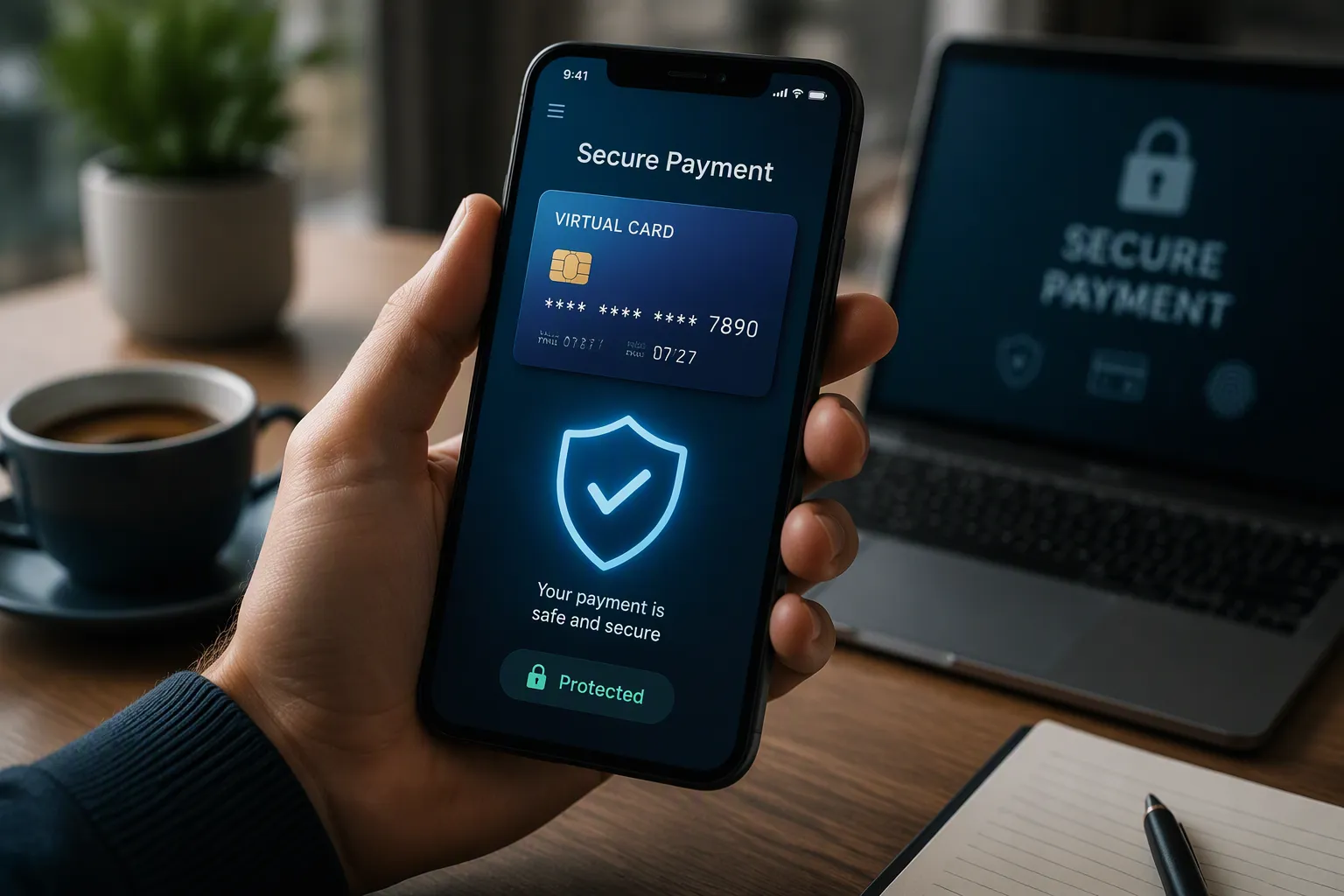
Yes, a USDT virtual card can be safe—but only if you choose a regulated provider like UUPAY and follow key precautions; otherwise, real risks exist. Provider regulation and custody model matter most, not the card technology. This article breaks down five risk areas: provider, data, chargebacks, regulation, and smart contracts. You also get practical tips.
Key Takeaways
Choose a regulated provider like UUPAY to keep your money safe.
Remember that crypto payments are final, so you cannot get a chargeback.
Follow simple safety steps like using 2FA and keeping a small balance.
How USDT Virtual Cards Work
Basic Mechanics and Custody Models
A USDT virtual card is an instant Visa or Mastercard number funded with USDT. You load crypto, the provider converts it, and you spend in 170+ countries. Apple Pay and Google Pay support makes checkout simple.
Custody splits into two models. A custodial provider holds your funds and private keys. You trust that company to secure assets and process payments. A non-custodial model lets you keep keys in your own wallet. Trusted companies like MetaMask and Ledger offer crypto debit cards built on this approach. Custodial cards feel easier for daily use. Non-custodial cards give you more control but demand more technical care.
Regulated custodial providers, such as UUPAY, hold a US MSB license and PCI DSS Level 1 certification. These credentials show a provider meets basic compliance and data security standards.
No-KYC Cards and Network Rules
No-KYC options exist. You can open some cards with only an email address. These products are increasingly restricted, though. AML directives push issuers to collect identity data. Visa and Mastercard network rules also force stricter onboarding over time.
A no-KYC card with a high spending limit is a red flag, not a feature.
Anonymous cards often carry higher fees and weaker dispute support. Many shut down without warning when networks tighten rules. You should treat any no-KYC product as temporary and risky. Verify the provider's licensing before you load real money.
Safety Risks of USDT Virtual Cards
Provider Regulation and Data Privacy
Your first safety check is the provider itself. A regulated company protects your money and your identity. An unregulated one can vanish with your balance. Verify the license before you deposit anything.
UUPAY offers a clear example of a compliant provider. The company holds a US MSB license and PCI DSS Level 1 certification. It is registered in Hong Kong and holds a Swiss license, with a Brazilian application in progress. New users get a 1U card-opening rebate of 1U, and deposit fees are fully waived. UUPAY also plans to launch a physical card. These credentials and terms show a provider that meets real compliance and security standards.
Compare this with other reputable issuers like RedotPay. Check user reviews, licensing claims, and how long the company has operated. A provider that hides its registration details deserves your suspicion.
Data privacy matters just as much. Encryption protects your card number and personal data during transactions. Read the privacy policy. Confirm the provider encrypts data in transit and at rest. A provider that sells your data or stores it loosely puts you at risk.
Chargebacks, KYC, and Smart Contract Security
Chargeback protection does not exist for crypto-funded cards. A bank can reverse a fraudulent charge. A USDT virtual card cannot. Once USDT leaves your wallet, the transaction is final.
Treat every payment as irreversible. You have no dispute mechanism if a merchant cheats you.
This changes how you shop. Use cards only with merchants you trust. Keep transaction records. If a dispute arises, your only recourse is the provider's support team, and their help is limited.
Regulatory and legal risks add another layer. KYC requirements tighten every year. AML directives push issuers to collect identity data. Jurisdiction matters too. A provider licensed in one country may not protect you under your local laws. You should confirm which regulator oversees your provider and what protections that regulator offers.
Smart contract and wallet security round out the risk list. Bugs in a card's smart contract can lock or drain funds. Wallet hacks remain common. Store your keys safely. Use hardware wallets for large balances. Never share your seed phrase with anyone, including support staff.
USDT Virtual Card vs. Traditional Cards
Fraud Protection and Fee Comparison
Traditional bank cards offer chargeback protection. You dispute a fraudulent charge, and your bank reverses it. A USDT virtual card does not offer chargeback protection. Once you approve a transaction, the funds are gone.
Fees also differ. Traditional cards carry annual fees, foreign transaction fees, and interest charges. A USDT virtual card typically charges lower fees. You pay a small issuance fee and a conversion fee when you load USDT. No interest applies because you pre-load funds.
Feature | Traditional Bank Card | USDT Virtual Card |
|---|---|---|
Chargeback protection | Yes | No |
Annual fee | Often $0–$95 | Usually $1–$5 |
Foreign transaction fee | 1%–3% | 0%–1% |
Interest on balance | Yes (credit cards) | No (pre-paid only) |
You trade chargeback protection for lower fees. Choose based on spending habits and trust in each merchant.
Practical Safety Tips
Follow these seven steps to stay safe:
Enable two-factor authentication. Use an authenticator app, not SMS. This blocks unauthorized access even if someone gets your password.
Use disposable virtual cards. One-time card numbers limit your exposure. If a merchant leaks data, the card number expires before anyone can use it.
Keep a small balance. Load only what you plan to spend. Do not store large amounts on a card you use daily.
Start with a test transaction. Send a small amount, confirm the transaction works, then increase your balance gradually.
Verify provider regulation. Check for a US MSB license and PCI DSS Level 1 certification. UUPAY holds both credentials. Compare with other regulated issuers before you deposit.
Avoid high-limit anonymous cards. A card with a high limit and no KYC is a red flag. These cards often disappear without notice.
Use transparent conversion features. UUPAY shows you the exchange rate before you confirm. Always check the rate and any fees before you load funds.
Each step reduces a specific risk. Two-factor authentication prevents account takeover. Disposable cards limit data breach damage. Small balances cap your loss if something goes wrong. Test before you trust any new card. Avoid anonymous products that operate outside compliance rules. Check conversion rates to avoid hidden fees. Together, these steps make your experience safe and predictable.
USDT virtual cards are safe for most users when you choose a regulated provider like UUPAY, enable 2FA, and never load more than you can afford to lose. The three biggest risks are no chargebacks, regulatory gray areas, and smart contract bugs. Counter these with a reputable provider, disposable cards, and small balances. Before you sign up for any USDT virtual card in 2026, run through the seven safety steps above—and start with a small test transaction.
FAQ
What happens if a merchant charges me incorrectly?
You have no chargeback rights. Contact the provider's support team immediately. They may help, but crypto transactions are final. Always keep receipts and transaction records.
Can I use a USDT virtual card for recurring subscriptions?
Yes, but with caution. Subscriptions require a stable balance. If your card runs empty, the payment fails. Load enough USDT to cover recurring charges, and monitor your balance regularly.
See Also
Discover How USDT Cards Enable Smooth And Seamless Transactions
