Vietnam Digital Nomad's Guide to USDT Spending
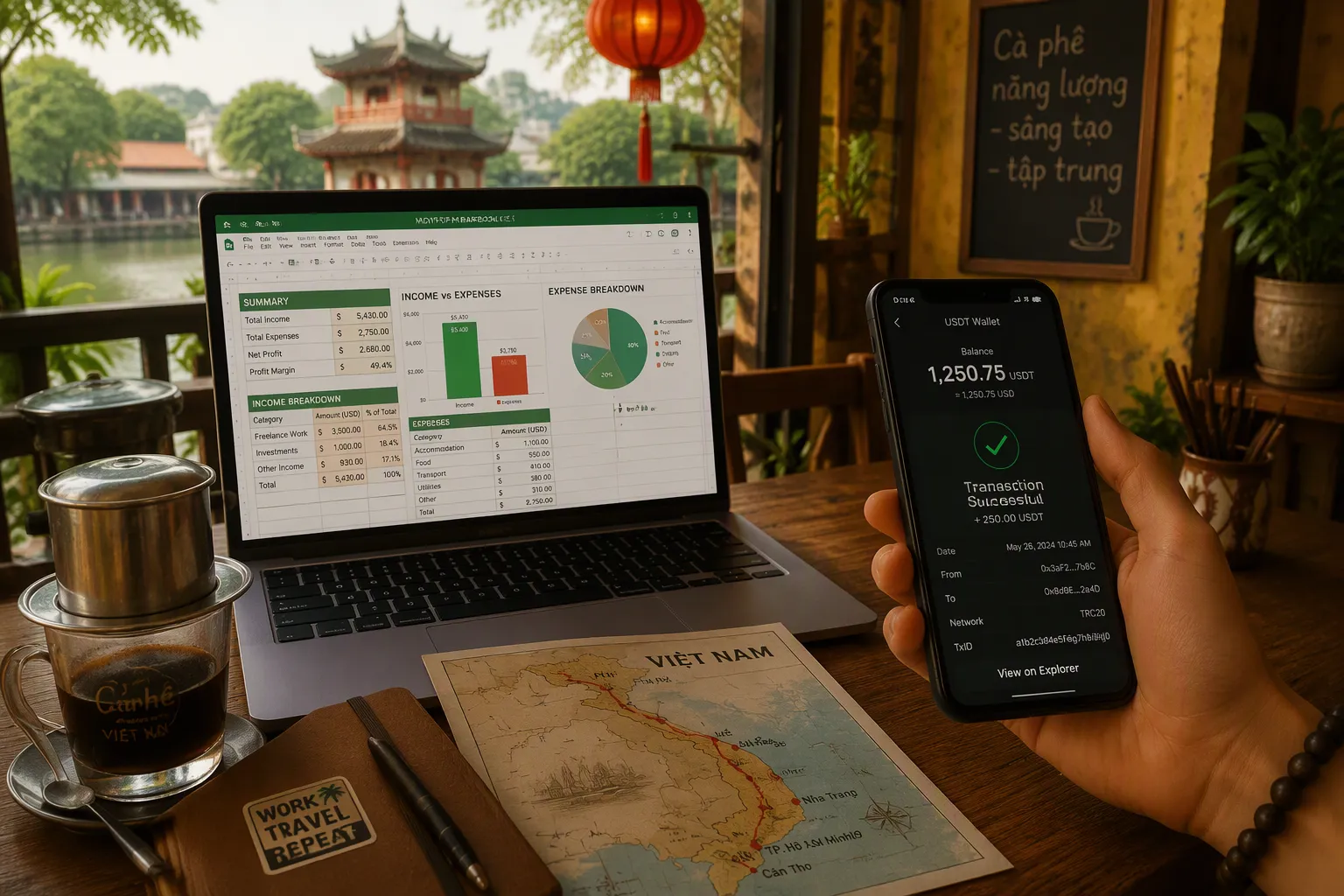
You can spend USDT in Vietnam through four main methods: QR payment apps, crypto-funded cards, gift cards, and P2P cash-out services. Your choice depends on spending habits, transaction size, and risk tolerance. Exchange rates vary by platform, as shown below.
Exchange | Rate (VND per USDT) |
|---|---|
Binance P2P | 26,300 – 26,500 |
Spot market | ~26,200 |
Da Nang cash desk | ~25,600 |
Hanoi cash desk | ~26,300 |
Digital nomads typically spend $1,000–$2,000 monthly, so fee differences matter over time. This guide compares fees, speed, and safety for each option, helping you manage your USDT spending effectively.
Key Takeaways
Combine payment methods to cut costs: use QR apps for daily buys, cards for big purchases, and P2P for the best rates.
Watch the hidden fees: QR apps charge under 1%, cards cost 2-3%, and P2P offers the lowest rates but takes more time.
Stay safe with small test trades and verified partners; always confirm funds in your bank app before releasing USDT.
About the Author
Will is a senior Web3 payments specialist and SEO Content Lead at UUPAY. He has extensive experience in the global decentralized finance (DeFi) and payments ecosystem, with a focus on developing seamless crypto-to-fiat retail payment solutions. Will regularly analyzes digital wallet integrations, international compliance frameworks, and virtual card payment optimization, with the goal of providing users worldwide with secure, simple, and borderless payment guidance.
Top Methods for USDT Spending in Vietnam
Vietnam offers you four practical ways to turn your USDT into everyday spending power. Each method works differently, and each suits a particular type of purchase. Understanding the full picture helps you match the right tool to the right situation.
Method | Merchant receives | Typical use case |
|---|---|---|
Stablecoin QR | Local fiat | Supported local QR purchases (e.g., VietQR merchant codes) |
Crypto-funded card | Card-network settlement | Card merchants and online payments |
Gift card | Gift-card value | Specific supported merchant purchases |
Conversion and cash-out | VND cash | Cash-led purchases where digital acceptance is uncertain |
QR Payment Apps and Crypto Cards
QR payment apps like UUPAY let you pay at local merchants by scanning a VietQR code. The app converts your USDT to Vietnamese dong instantly at the point of sale. You never need a local bank account, and the merchant receives familiar local fiat currency. This method shines for daily small purchases such as groceries, street food, coffee, and Grab rides. Fees typically stay under one percent, making frequent transactions affordable.
Crypto-funded cards serve a different purpose. These cards connect to your crypto balance and settle through card networks like Visa or Mastercard. You can use them anywhere cards are accepted, including hotels, airlines, and coworking spaces. UUPAY offers both virtual and physical card options, with the virtual card costing just 1 USDT to open for new users. The physical card gives you global spending power with up to 50% cashback on eligible purchases. Cards suit larger travel expenses where carrying cash feels risky or where QR codes are not available.
Gift Cards and P2P Cash-Out
Gift cards offer a middle ground. You purchase a gift card with USDT and redeem it at a specific supported merchant. This method works well for known brands like major e-commerce platforms or electronics retailers. You lock in the value before you shop, and you avoid carrying cash entirely.
P2P cash-out services give you the best exchange rates but require more time. You connect with a verified buyer or seller, agree on a rate, and transfer your USDT in exchange for Vietnamese dong sent to your bank account. A typical transaction takes 5 to 20 minutes from start to finish. Cash desks in cities like Hanoi and Da Nang offer similar services, though rates vary by location. For example, a Da Nang cash desk might quote around 25,600 VND per USDT, while Hanoi desks often reach 26,300 VND. The rate difference matters when you convert larger amounts.
Your USDT spending strategy should combine these methods. Use QR apps for daily purchases, cards for big-ticket items, and P2P when you need the best rate. Gift cards fill the gaps for specific merchants. This balanced approach keeps your costs low and your options open.
QR Payment Apps for Daily Purchases
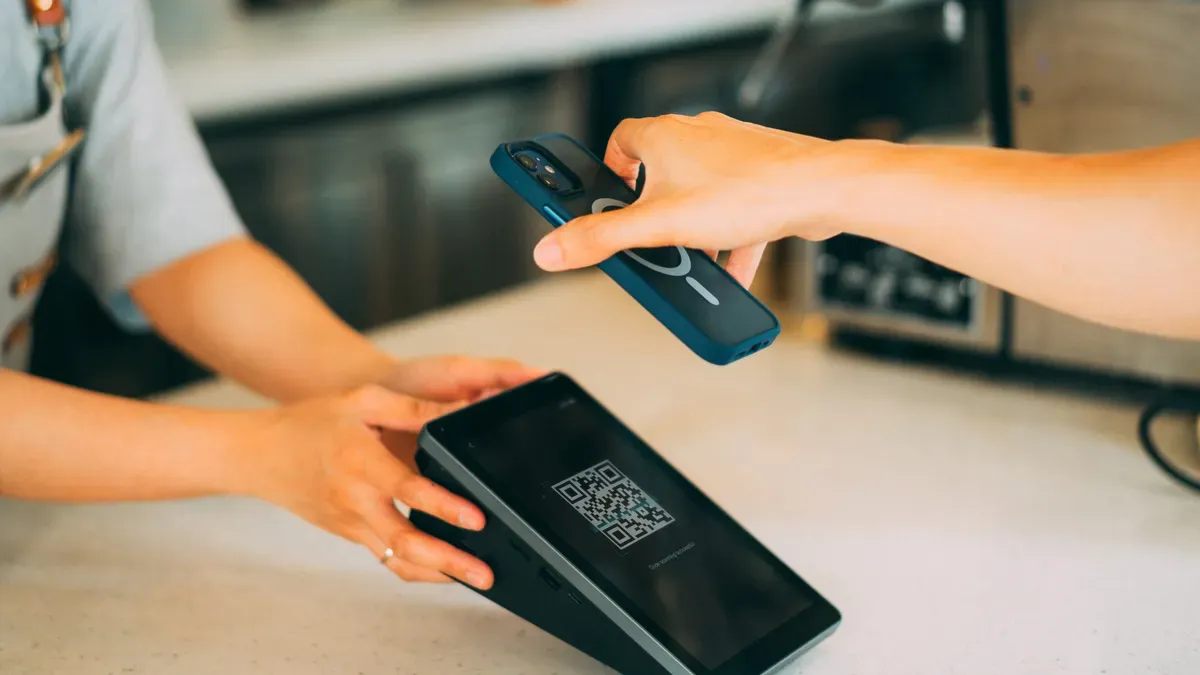
QR payment apps transform your smartphone into a digital wallet for Vietnam. You scan a VietQR code at any participating merchant, and the app handles the rest. Your USDT converts to Vietnamese dong instantly at the point of sale. No local bank account is required. No waiting for transfers. The merchant receives familiar fiat currency, and you walk away with your purchase complete.
How UUPAY Simplifies USDT-to-VND Conversion
UUPAY stands out among QR payment apps for its streamlined approach. You link your USDT wallet directly to the app during setup. The process takes minutes, not days. Once connected, you scan any VietQR code and confirm the transaction on your screen. The conversion happens in real time at a competitive rate.
New users receive a virtual card for just 1 USDT, with an instant rebate that effectively makes it free. This virtual card works for online payments and QR scans alike. All users enjoy fee-free card top-ups, so you can load funds without worrying about hidden charges. The recently launched physical card extends your spending power globally, with up to 50% cashback on eligible purchases. Beyond payments, UUPAY offers travel booking, eSIM activation, and in-app chat features, making it a comprehensive financial tool for nomads.
Fees, Limits, and Merchant Acceptance
Typical fees for QR transactions stay under 1%, which keeps daily purchases affordable. You pay a small spread on the exchange rate rather than a flat transaction fee. This structure favors frequent, low-value transactions like groceries, street food, coffee, and Grab rides.
Merchant acceptance continues to grow across Vietnam. Major cities like Hanoi, Da Nang, and Ho Chi Minh City have widespread VietQR coverage. Smaller towns offer fewer options, so you should carry a backup payment method when traveling off the beaten path.
UUPAY maintains strong compliance standards that protect your funds. The platform holds licenses including a US MSB, Swiss registration, Canadian approval, and Hong Kong registration, with Brazil pending. PCIDSS Level 1 certification secures your card data, and 24/7 support ensures help arrives when you need it. The referral program rewards you with up to 50% commission for bringing new users, which can offset your USDT Spending further.
Start with small transactions to test the app. Once comfortable, you can rely on UUPAY for most daily expenses throughout Vietnam.
Crypto-Funded Cards for Larger Expenses
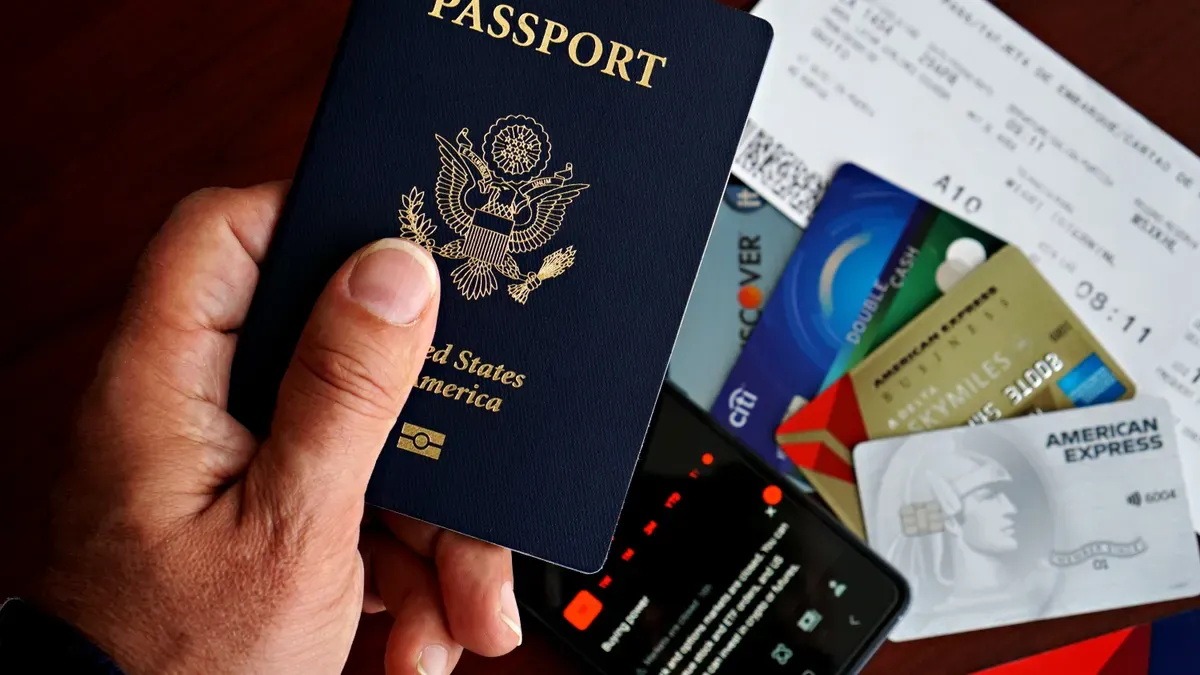
Crypto-funded cards bridge your USDT balance to the traditional card network. You load your card with USDT, and the issuer converts it to Vietnamese dong at the point of sale. This method suits hotel bookings, flight tickets, and coworking space memberships—purchases where QR codes rarely appear and carrying large cash amounts feels risky.
Best Card Options for Vietnam
Bybit Card and Binance Card both support direct USDT spending. They settle through Visa or Mastercard networks, so you can use them at any merchant that accepts cards. UUPAY offers a compelling alternative with its virtual and physical card options. The virtual card costs just 1 USDT to open for new users, and the platform rebates that fee immediately. The physical card extends your spending power globally, with up to 50% cashback on eligible purchases. UUPAY also waives card top-up fees entirely, so loading funds costs nothing extra.
These cards work well for recurring expenses like monthly coworking passes or short-term apartment deposits. You avoid the hassle of converting large amounts of cash at once. The card issuer handles the conversion automatically, and you see the exact VND amount deducted from your USDT balance.
ATM Withdrawal Costs and Limits
ATM withdrawals carry the highest fees in your USDT Spending toolkit. Most card issuers charge 2-3% per withdrawal, and Vietnamese ATMs often add their own surcharge. Daily withdrawal limits typically range from 200 to 500 USDT, depending on your card tier and verification level. You should check your card's specific limits before relying on it for cash needs.
Plan your withdrawals strategically. Take out larger amounts less frequently to minimize per-transaction fees. Keep a QR payment app loaded for smaller daily expenses, and reserve your card for bigger purchases or emergency cash. This combination keeps your total costs lower than using any single method exclusively.
Warning: Always test your card with a small transaction before traveling to remote areas. Some Vietnamese ATMs may not accept foreign cards, and card networks occasionally block transactions from new regions.
P2P and OTC for USDT Spending
P2P trading connects you directly with local sellers who exchange your USDT for Vietnamese dong. This method delivers the best exchange rates but demands more time and caution. A typical trade takes 5–20 minutes on a platform, while cash offices may need 15–30 minutes. You control the process from start to finish.
Finding Reliable Exchange Partners
Binance P2P stands as the most popular choice for foreigners. Its deep order book and English-speaking sellers make navigation easy. Bybit P2P offers a mid-sized market with growing liquidity. OKX P2P serves smaller volumes but remains viable. All three platforms support English interfaces.
Platform | Market Depth | Minimum Trade | English UI |
|---|---|---|---|
Binance P2P | Deepest order book | from 200,000 VND (~$8) | Yes |
Bybit P2P | Mid-sized, growing | from 500,000 VND (~$20) | Yes |
OKX P2P | Small | from 1,000,000 VND (~$40) | Yes |
Cash offices provide an alternative for those who prefer face-to-face transactions. BitcoinVN operates in Ho Chi Minh City, Hanoi, Da Nang, and Hue with no minimum trade. Senate Exchange covers Hanoi, Nha Trang, and Da Nang with a $50 minimum. RateExpert serves Nha Trang, Da Nang, and Ho Chi Minh City. 2Change operates across four cities including Phu Quoc. Each office pays out within 15–60 minutes.
Speed, Safety, and Bank Transfer Tips
The escrow process protects both parties during a trade. Follow these steps carefully:
Open Sell → USDT → VND on the P2P exchange.
Pick a seller offering the bank you use.
Your USDT drops into escrow (locked by the exchange).
The buyer sends dong to your Vietnamese bank account.
You confirm the money landed in your banking app (not from a screenshot).
You release the USDT from escrow.
The trade completes in 5–20 minutes.
Safety requires vigilance. Verify that the counterparty's bank account name matches the exchange account name. Reject payments from third parties. Release USDT only after funds arrive in your account. Enable the Withdrawal Whitelist and app-based two-factor authentication. Move long-term holdings to a self-custody wallet.
According to Nguyễn Đình Thắng, Chairman of the VINA Fintech Club, P2P transactions converting Vietnamese dong into USDT are largely unregulated, leaving participants vulnerable to fraud, money laundering, and asset loss. He advises users to exercise caution and thorough due diligence before trading on unregulated international platforms.
Start with small amounts to test a new partner's reliability. This approach protects your USDT Spending while you build trust. Spread costs vary by channel: P2P exchanges charge 0.1–0.3%, cash offices 0.5–1%, and random airport exchangers 3–5%. Choose your channel based on the trade size and your comfort level.
Cost Comparison and Exchange Rates
Every method you use to spend USDT in Vietnam carries a cost. Understanding these costs helps you keep more of your money. The baseline exchange rate sits near 26,000 VND per USDT, but you rarely receive that exact rate. Each platform builds its margin into the spread or charges explicit fees. Your job is to minimize both.
Fee Breakdown Across All Methods
QR payment apps offer the lowest fees for daily transactions. UUPAY charges under 1% per transaction, and the platform currently waives card top-up fees entirely. New users receive a virtual card for 1 USDT, with an instant rebate that makes it effectively free. This structure suits frequent small purchases like coffee, groceries, and transport.
Crypto-funded cards cost more. Card issuers typically charge 2-3% per transaction, and ATM withdrawals add another layer of fees. Vietnamese ATMs often impose their own surcharge on top of the issuer's cut. Daily withdrawal limits range from 200 to 500 USDT, depending on your card tier. These costs make cards better for occasional large purchases than everyday spending.
P2P exchanges deliver the best rates but require effort. Platform fees run 0.1-0.3%, and cash offices charge 0.5-1%. The spread between buy and sell prices adds a hidden cost that varies by liquidity and location. A Da Nang cash desk might quote 25,600 VND per USDT, while Hanoi desks reach 26,300 VND. That difference matters when you convert larger amounts.
Gift cards sit in the middle. You lock in a rate when you purchase the card, and redemption carries no additional fee. The trade-off comes from limited merchant selection and occasional discounts below market rates.
Method | Typical Fee | Best For |
|---|---|---|
QR apps (UUPAY) | Under 1% | Daily small purchases |
Crypto cards | 2-3% + ATM fees | Hotels, flights, large purchases |
P2P exchanges | 0.1-0.3% | Large conversions, best rates |
Cash offices | 0.5-1% | Face-to-face transactions |
Gift cards | 0-2% built into rate | Specific merchants |
Hidden Costs and Rate Spreads
The displayed exchange rate rarely tells the full story. Platforms quote a mid-market rate, then add a spread that ranges from 0.5% to 3%. You pay this spread on every transaction, whether you notice it or not. QR apps like UUPAY keep spreads tight because they process high volumes. Card networks apply wider spreads because they convert at the point of sale with less transparency.
Bank transfer delays create another hidden cost. P2P trades require you to wait for funds to clear, and some sellers quote better rates but take longer to pay. Time has value when you need cash quickly. Cash offices solve this problem with instant payouts, but you pay 0.5-1% for the convenience.
For monthly spending of $700-$1,200, a 1% fee difference equals $7-$12 per month. Over a year, that gap grows to $84-$144. Choosing the right method for each transaction type saves you real money without changing your lifestyle.
Your optimal strategy combines methods. Use UUPAY for daily purchases and enjoy the fee-free top-ups. Reserve your crypto card for hotel bookings and flights where QR codes do not exist. Turn to P2P when you need the best rate for larger conversions. Track your fees for one month, and you will see exactly where your money goes.
Legal, Tax, and Safety Considerations
USDT Legality and Tax Obligations
Vietnam's legal framework treats USDT differently from fiat currency. The State Bank of Vietnam prohibits using cryptocurrencies as a means of payment. However, possessing USDT is not explicitly illegal. The 2015 Civil Code does not recognize crypto as legitimate currency, foreign currency, or asset. This creates a gray zone for personal expenses.
Aspect | Legal Status in Vietnam |
|---|---|
Crypto as payment | Prohibited by State Bank |
Possession of crypto | Not explicitly prohibited |
Recognition as currency | Not recognized under Civil Code |
Personal expenses | No specific regulation; general prohibition applies |
You should keep detailed records of every transaction. If you earn income in crypto, Vietnamese tax authorities may expect reporting. Save your exchange receipts, wallet addresses, and bank transfer confirmations. This documentation protects you if questions arise later.
The digital nomad visa does not require you to declare crypto holdings. Yet your financial activities must align with local regulations. You can hold USDT and convert it through legal channels. You cannot use it directly as payment at merchants.
Avoiding Scams and Verifying Services
P2P trading carries real risks. Scammers often try to move you off the platform's escrow system. If a buyer asks you to release USDT before their dong transfer clears, stop immediately. A screenshot of a transfer means nothing. Only release funds after you see the money in your banking app.
Check the counterparty's completed order count and positive feedback rate before trading.
Keep every transfer receipt and chat log for your records.
Use Google Authenticator, not SMS two-factor, to protect your account.
Run a small test trade of US$50 to US$100 at a reputable cash office first.
A common tactic involves someone ordering USDT on a P2P exchange without transferring money. They then request a victim to transfer funds under false pretenses. Mr. H., a trader in Ho Chi Minh City, sold 3,000 USDT and received over 78 million VND. Two days later, his bank account froze. The sender was a scam victim, and the USDT had already left his wallet.
Verify any service before trusting it with your funds. UUPAY holds a US MSB license, Swiss and Canadian registrations, and Hong Kong approval. PCIDSS Level 1 certification secures your card data. Start with small transactions to test any platform. This cautious approach keeps your USDT spending safe throughout Vietnam.
Mastering USDT spending in Vietnam comes down to matching tools to tasks. Use UUPAY for daily purchases—its sub-1% fees and fee-free top-ups keep costs minimal. Reserve crypto cards for hotels and flights. Turn to P2P when you need the best rates. Start with small test transactions, keep records for tax purposes, and combine methods for optimal savings. Share your experiences in the comments below.
FAQ
Is UUPAY safe to use for daily USDT spending?
UUPAY holds a US MSB license, Swiss and Canadian registrations, and Hong Kong approval. PCIDSS Level 1 certification protects your card data. Start with small transactions to build confidence.
What fees does UUPAY charge for card top-ups?
Card top-up fees are currently waived entirely. New users receive a virtual card for 1 USDT, with an instant rebate that makes it effectively free. Physical cards offer up to 50% cashback on eligible purchases.
Which spending method saves you the most money monthly?
QR apps like UUPAY charge under 1% per transaction, making them cheapest for daily purchases. Use crypto cards for hotels and flights, and P2P for large conversions. Combining methods minimizes your total costs.
See Also
Expert Tips For Using USDT Visa Cards To Manage Daily Costs For Remote Workers
Simple Methods To Use USDT Visa Cards For Paying Overseas Utility Bills In Vietnam
Comprehensive Guide To Using USDT Cards For International Hotel Reservations For Travelers
Top Methods For Using USDT Cards To Buy Google Play Items In Vietnam
