Top 10 Virtual Cards for Crypto to Remote Insurance in 2026
Selecting the Best Crypto Cards for Digital Nomads
You must evaluate every digital payment solution through a strict, transparent evaluation framework. You require low foreign exchange markup fees, an instant virtual card issuance process, non-custodial asset control, and widespread merchant network acceptance globally. Selecting the best crypto cards for digital nomads secures your local purchasing power across international borders.
Low FX Fees and Global Visa Network Reach
Foreign exchange costs usually contain multiple hidden layers. You pay base network conversion rates together with explicit provider markups.
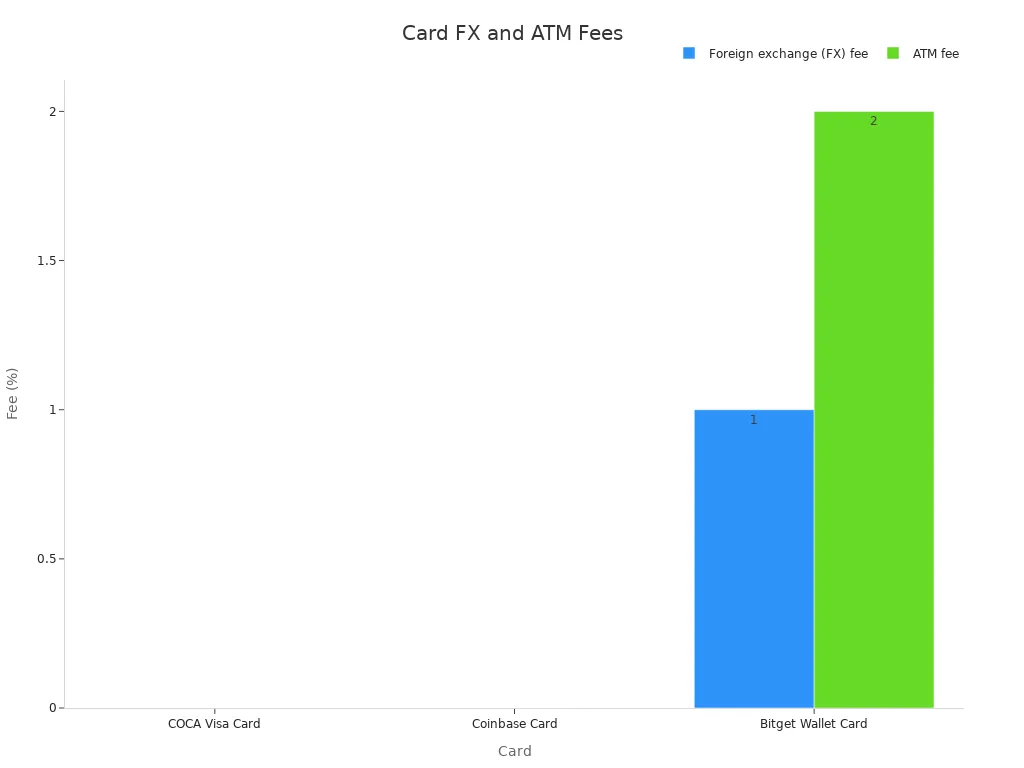
Options like COCA Visa Card, Bitget Card, and Kolo Card charge 0% explicit markup. Meanwhile, RedotPay charges 1.2%, and the US Coinbase Card charges 3%. Selecting low-markup options helps you avoid unnecessary conversion costs at international merchants.
Non-Custodial Security Using a Crypto Wallet with a Card
Self-custodial security effectively protects your funds from centralized exchange failures. Linking a crypto wallet with a card allows you to hold your private keys until the exact moment you make a transaction. You spend stablecoins directly at physical stores or online checkout pages.
Smart contract protocols settle balances seamlessly during everyday transactions. Modern options rank among the best crypto wallets with cards because they perform automatic, real-time fiat conversions. Pairing your personal crypto wallet with a card ensures complete asset ownership, constant financial independence, and reliable spending power anywhere on earth.
Top Virtual Card for Crypto to Remote Insurance Solutions
UUPAY Virtual Card and Bundled Remote Insurance
UUPAY provides a powerful virtual card for crypto to remote insurance needs. New users buy an instant virtual card for 1 USDT and receive an immediate 1 USDT rebate. You enjoy 0% top-up fees and earn up to 50% commission through referrals. UUPAY holds a US MSB license, a Swiss financial license, Hong Kong registration, and PCI DSS Level 1 certification. A Brazil license remains pending. You receive 24/7 global customer support alongside bundled remote health coverage. Linking your primary crypto wallet with a card protects your daily funds.
This reliable non-custodial financial setup ensures smooth international payments while safeguarding your physical health abroad. Managing emergency travel medical insurance and sudden clinic visits becomes completely effortless for modern remote workers.
Leading Custodial and Wallet-First Alternatives
You can also explore alternatives like RedotPay across 130+ countries, Bybit, Bleap, ether.fi Cash, Nexo, and Kolo Card. Linking Apple Pay or Google Pay enables fast mobile purchases at physical checkout counters worldwide. Selecting a second virtual card for crypto to remote insurance gives you reliable spending redundancy. Connecting a non-custodial crypto wallet with a card expands your daily financial options among crypto cards for digital nomads.
Card | Foreign Exchange Fee | Rewards |
|---|---|---|
COCA Visa Card | 0% | 5% everyday, 50% subscriptions in $COCA |
Coinbase Card | 0% | Tiered BTC rewards for US users |
Bitget Wallet Card | 1% | Native token (BGB) rewards |
Remote Worker Insurance and Asset Security
Bundled Health and Travel Coverage for Nomads
Modern financial providers offer comprehensive protection programs for active remote professionals across diverse international destinations. Leading virtual card issuers integrate essential medical emergency insurance, flight delay compensation, and lost gear coverage directly into your primary account portal. You view, activate, and manage your policy benefits instantly through a simple mobile application without completing tedious manual paperwork.
A dedicated virtual card for crypto to remote insurance streamlines emergency payment disbursements at foreign medical facilities. Traditional travel insurers typically force travelers to pay large upfront out-of-pocket costs before processing slow reimbursement claims. Modern crypto cards for digital nomads settle emergency hospital invoices instantly through real-time digital conversion channels. This immediate settlement framework safeguards your personal liquid savings during unpredictable medical situations in remote international regions.
Self-Custodial Vaults and Emergency Protection
Asset security demands robust smart contract protocols to survive severe market volatility and sudden custodial exchange failures. Connecting a non-custodial crypto wallet with a card stores your core capital safely inside secure decentralized blockchain vaults. Automated smart contracts execute instant payment conversions during everyday point-of-sale transactions while maintaining full self-custodial control over your funds. You retain exclusive ownership of your private keys throughout every physical or online purchase.
This non-custodial architecture isolates your active balance from third-party exchange collapse risks completely. Centralized platforms frequently freeze withdrawal services during severe market downturns, but self-custodial smart contracts grant uninterrupted capital access everywhere. Linking your primary crypto wallet with a card guarantees immediate emergency liquidity whenever sudden travel interruptions demand urgent spending power. You explore foreign cities with absolute personal confidence, complete financial privacy, and verified asset safety.
Practical Digital Nomad Card Options and Setup
Building a Multi-Card Setup with Crypto Cards for Digital Nomads
You build financial resilience abroad by deploying a multi-tier payment stack. A single card leaves you vulnerable to sudden account freezes or regional processing outages. Professional remote workers rely on versatile digital nomad card options to maintain uninterrupted liquidity across different continents.
You should assign a primary non-custodial asset platform like UUPAY for daily point-of-sale spending. You then link a secondary virtual card like RedotPay for specialized online reservations and flight bookings. Finally, you hold a local fiat bank account as a backup solution. This combination optimizes your borderless spending while securing your funds against single points of failure. Diversifying your crypto cards for digital nomads protects your everyday buying power everywhere.
Avoiding FX Fees and Currency Conversion Traps
Merchants often offer Dynamic Currency Conversion (DCC) at point-of-sale terminals. You must always decline DCC and choose payment in local fiat currency. The merchant sets the DCC exchange rate, which imposes heavy hidden markups compared to card network conversion rates.
PayPal advises cardholders to decline DCC when a foreign merchant or ATM offers to charge in their home currency. The DCC exchange rate is set by the merchant or ATM operator and is typically less favorable than allowing the cardholder's own bank or payment provider to handle the conversion.
Typical Fee / Markup Rate | |
|---|---|
Visa/Mastercard Network Rate | Within 0.05–0.2% of mid-market rate |
Neobank FX Markup | Under 1% |
Standard Card Foreign Fee | 2–3% |
Merchant DCC Markup | 3–8% above network rate |
Choosing DCC increases your cost significantly. You also need to manage ATM withdrawal fees carefully. Providers like UUPAY do not charge forex or ATM fees, while other issuers like RedotPay apply network transaction fees. Using non-custodial crypto cards for digital nomads smartly keeps your international travel expenses low.
Combining non-custodial solutions with health coverage eliminates international travel friction. You protect personal capital and secure medical coverage across borders. Connecting your non-custodial crypto wallet with a card like UUPAY yields constant spending power. You should pair UUPAY with a secondary virtual card for crypto to remote insurance to guarantee backup liquidity and low conversion fees globally.
FAQ
How do non-custodial crypto cards protect your assets?
You maintain full control over your private keys inside your personal wallet. Smart contracts execute instant asset conversions only when you initiate a point-of-sale payment.
Why should you decline Dynamic Currency Conversion at checkout?
Dynamic Currency Conversion imposes 3% to 8% in merchant markups. You avoid these hidden fees by selecting the local fiat currency during international card payments.
What regulatory standards and licenses protect UUPAY users?
You benefit from UUPAY's US MSB license, Swiss license, Hong Kong registration, and PCI DSS Level 1 certification. UUPAY also pursues an active Brazil license application.
See Also
Are You Prepared To Spend Cryptocurrency Top Up Cards Soon
Comparing The Ultimate Virtual Crypto Card Providers And Their Perks
Seven Essential Crypto Top Up Cards You Must Discover Today
How Digital Nomads Pay Overseas Rent Using Virtual Crypto Cards
Leading Smartphone Crypto Cards That Pay Huge Rewards To Users
