What Is a Non-KYC Crypto Card and How Does It Work
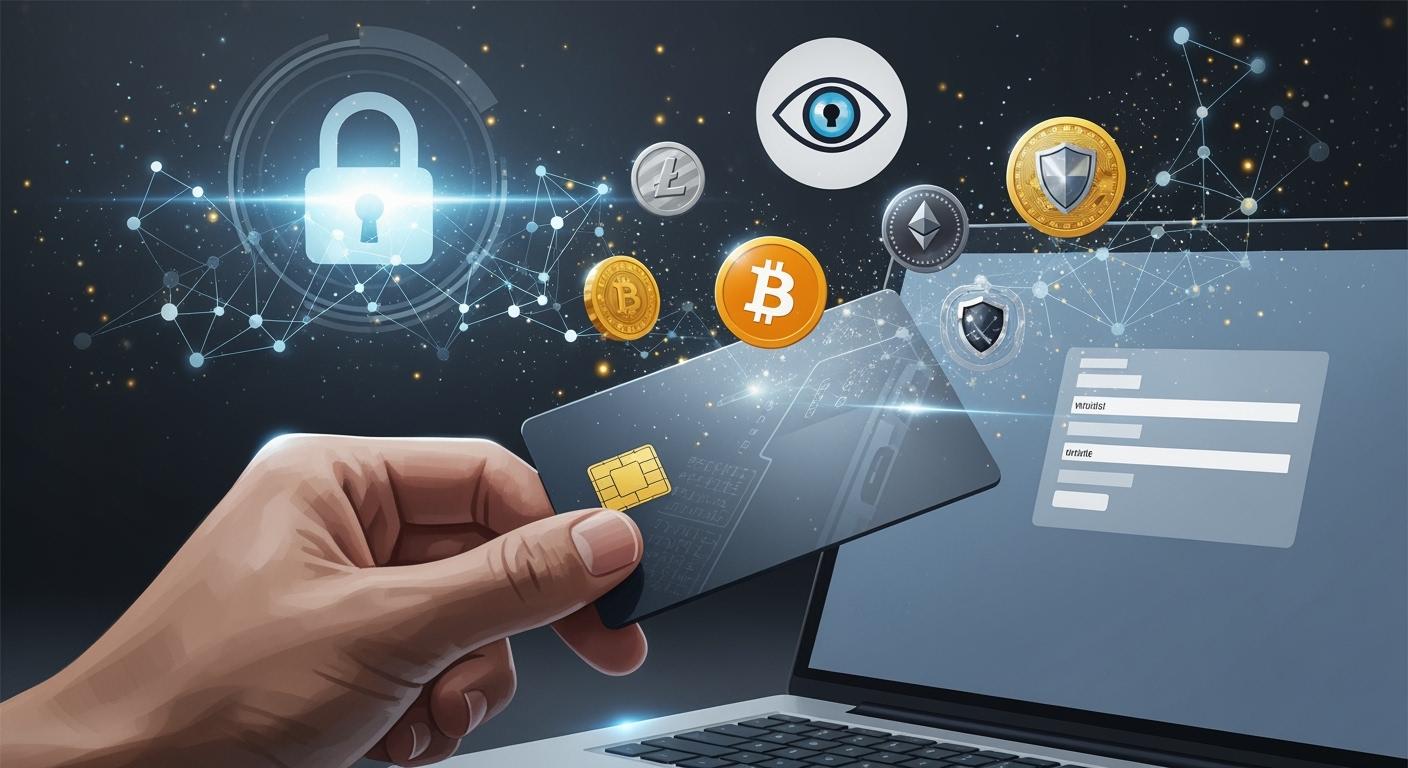
You can use a non kyc crypto card as a prepaid or debit card linked directly to your crypto. This no-kyc crypto card lets you spend crypto for purchases without showing your identity, giving you strong privacy. Watch for spending limits and legal risks. UUPAY offers a trusted crypto card without kyc.
Key Takeaways
A non-KYC crypto card allows you to spend cryptocurrency without revealing your identity, providing strong privacy and autonomy.
You can use these cards for various payments, including online shopping and local services, but be aware of daily spending limits and potential legal risks.
Providers like UUPAY offer reliable options for non-KYC cards, ensuring compliance while maintaining user privacy.
Non KYC Crypto Card Overview
What Is a Non KYC Crypto Card
Imagine you live in Malaysia and want to pay for your daily commute using Touch 'n Go or DuitNow. You may not want to share your personal details every time you make a payment. A non kyc crypto card gives you a way to spend your crypto for Malaysia Digital Payment needs without revealing your identity. This card works as a prepaid or debit card. You load your crypto onto the card and use it for payments at stores, online shops, or even for cross-border transactions. You do not need to complete identity checks, which means you keep your privacy and enjoy greater autonomy.
Providers like Redotpay, WageCan, and UUPAY offer these cards. UUPAY stands out because it follows strict compliance standards, making it a trusted choice for cross-border payments in Malaysia. You can even get a $1 Virtual UUPAY card to start spending crypto quickly.
How a No-KYC Crypto Card Works
You use a no-kyc crypto card by linking your crypto wallet to the card. When you want to make payments, the card converts your crypto into local currency at the point of sale. You can use it for Malaysia Digital Payment services, online shopping, or international purchases. You do not need to provide documents or verify your identity for basic use. This process gives you privacy and lets you enjoy the freedom of spending crypto without barriers.
The card works with popular payment networks, so you can use it almost anywhere. You can pay for your Touch 'n Go reload, DuitNow transfers, or even buy goods from overseas. The blockchain technology behind the card ensures decentralized transactions and protects your anonymity.
Key Features and Limits
A crypto card without kyc offers several features:
You can spend crypto directly for payments.
You keep your privacy because you do not need to share your identity.
You get fast access to your funds with minimal setup.
You can use the card for Malaysia Digital Payment, cross-border transactions, and online shopping.
However, there are limits you need to know. Most providers set daily spending limits to protect against misuse. Here is a table showing typical limits:
Daily Limit | KYC Requirement |
|---|---|
Under $5,000 | Only an email address required |
Above $5,000 | Basic verification required |
If you want higher spending limits, you must complete identity verification. This means you lose some privacy but gain more flexibility. Most crypto card without kyc options let you spend up to $5,000 per day with just an email address. If you need to spend more, you must provide documents.
True no kyc crypto card options are rare in regulated markets. Most countries require providers to follow strict rules. You may find cards that offer basic use without kyc, but higher limits or advanced features often require verification. UUPAY, Redotpay, and WageCan are examples of providers that balance privacy and compliance. UUPAY’s compliance background makes it a reliable choice for cross-border payments in Malaysia.
You gain privacy, spending flexibility, and the freedom to use crypto for everyday payments. You also enjoy the benefits of decentralized finance and blockchain technology. However, you must stay aware of spending limits and legal risks.
Benefits, Risks, and Usage of Crypto Card Without KYC

Imagine you need to reload your Touch 'n Go card or send DuitNow payments for your daily commute in Malaysia. You want to spend cryptocurrency without revealing your identity. A crypto card without kyc gives you privacy and autonomy for Malaysia Digital Payment needs. You can use a $1 Virtual UUPAY card to access fast, anonymous transaction options and real-world spending.
Privacy and Anonymity Benefits
A non kyc crypto card protects your privacy. You do not upload personal identification, which reduces the risk of data exposure. You enjoy anonymity because no identity verification is required. This helps prevent identity theft and financial tracking. See the table below:
Benefit Type | Description |
|---|---|
Privacy | Users do not need to upload personal identification, reducing the risk of data exposure. |
Anonymity | No identity verification process is required, which helps prevent identity theft and financial tracking. |
You gain financial privacy and freedom with decentralized payment gateways and no centralized control.
Spending Limits and Legal Risks
You face spending limits with a no kyc crypto card. Most cards set daily or monthly caps to comply with regulations. Regulatory restrictions may block cards in countries with strict laws. Payment partners can freeze cards or demand KYC during suspicious activity. Review the risks:
Risk Type | Description |
|---|---|
Regulatory Restrictions | Non-KYC cards may not function in countries with strict AML/KYC laws, limiting usability. |
Low Spending Limits | Many non-KYC cards impose daily, monthly, or lifetime spending caps to comply with regulations. |
Risk of Sudden KYC Enforcement | Payment partners may freeze cards or demand KYC unexpectedly, especially during suspicious activities. |
You must check compliance with the Bank Secrecy Act and Anti-Money Laundering laws.
How to Get and Use a No KYC Crypto Card
You can open a $1 Virtual UUPAY card for Malaysia Digital Payment. UUPAY connects with Touch 'n Go and DuitNow, solving cross-border payment and currency exchange challenges. You get free top-up and up to 50% referral commission. UUPAY’s compliance checklist includes US MSB Licensed, PCIDSS Level 1 Certified, and 24/7 Global Support. You load crypto, use the card for payments, and enjoy fast onboarding.
Non-KYC vs. KYC Crypto Cards
Compare your options:
Feature | No-KYC Card | Traditional KYC Crypto Card |
|---|---|---|
Privacy | High | Low to Medium |
Spending Limits | Low | High |
Legality | Risky in some regions | Fully Regulated |
Onboarding Time | Instant or very fast | Slower (KYC approval needed) |
Coverage | Limited, region-based | Global acceptance |
A next-generation crypto card without kyc gives you privacy-focused, decentralized blockchain payments and autonomy. Traditional crypto debit cards offer stability and global coverage but require verification.
You can use a non-KYC crypto card for decentralized payments and enjoy privacy. This card lets you spend crypto for daily payments, but you face spending limits and legal risks. Review the table below for a quick comparison:
Compliance Aspect | No KYC Cards | Traditional Crypto Cards |
|---|---|---|
Legal Requirements | Limited KYC for specific cases | Comprehensive KYC under PSD2 & AML laws |
Transaction Limits | Monthly cap at €150 | No such limits |
Issuance Approval | May allow anonymous issuance | Standard KYC required |
Before you choose a card, consider your privacy needs and local laws. For better decisions, you should:
Explore different crypto card options.
Check provider reliability.
Understand spending caps and regional restrictions.
You can benefit from blockchain technology, but always research before using a card for payments.
FAQ
Can I use a non-KYC crypto card for Touch 'n Go or DuitNow in Malaysia?
Yes. You can use a $1 Virtual UUPAY card for Malaysia Digital Payment needs, including Touch 'n Go reloads and DuitNow transfers.
Is the $1 Virtual UUPAY card safe for cross-border payments?
UUPAY follows strict compliance standards. You get a secure option for cross-border payments in Malaysia with this card.
What happens if I reach the spending limit on my non-KYC crypto card?
You must complete basic verification to increase your spending limit. Most cards let you spend up to $5,000 daily with just an email.
See Also
Top Non-KYC Crypto Cards to Watch in 2026
Evaluating KYC vs No KYC Crypto Cards for Safety
Steps to Obtain Your Own Crypto Debit Card
