Best crypto card for Asian expats
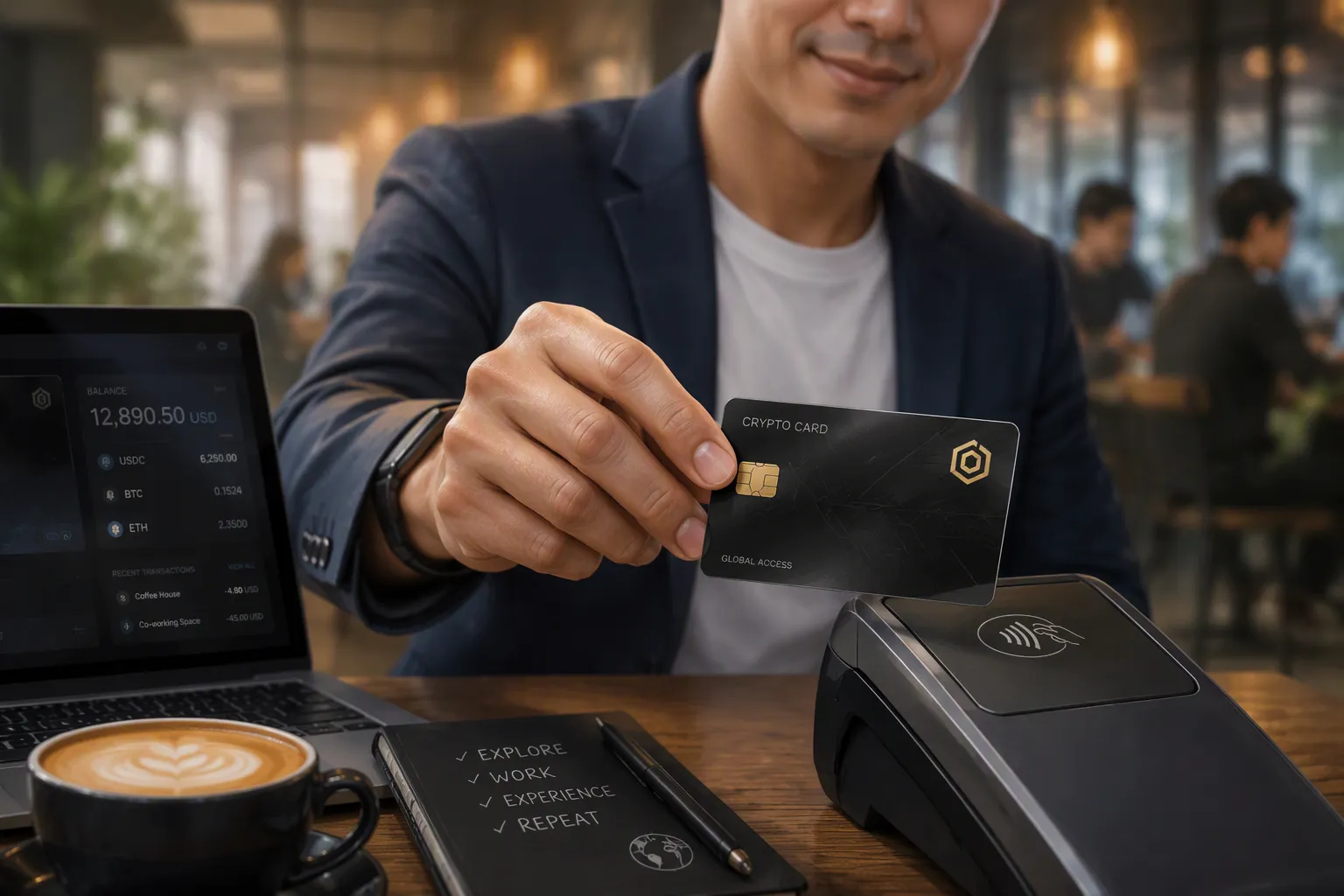
UUPAY is the best crypto card for Asian expats. It moves with you across borders, keeps FX costs low, and runs smoothly on USDT and TRON. You get wallet compatibility and payments that work where you live.
Three things matter most here: seamless use across Asian countries, low fees, and a fit with local wallets and international services. Judge every option by those.
Key Takeaways
UUPAY works in many Asian countries. You can use it in the Philippines, Vietnam, Indonesia, India, and Thailand without getting a new card.
UUPAY keeps costs low. You fund it with USDT on TRON, and top-up fees are waived right now.
UUPAY rewards you for inviting friends. Your commission goes up to 50% as more people join.
Best Crypto Card for Asia: UUPAY vs. the Field
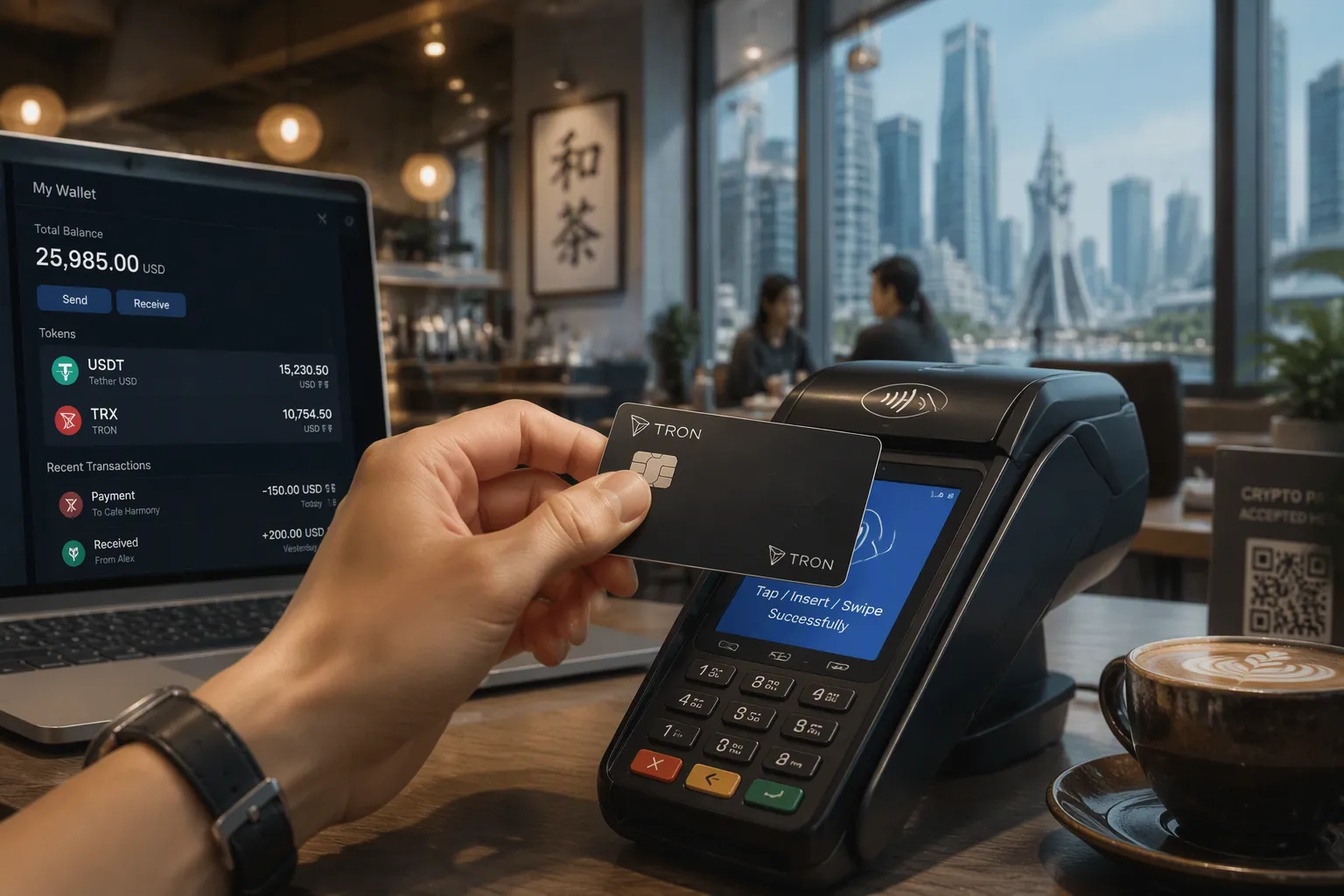
UUPAY takes the top spot for Asian expats. It wins on the things that actually shape your month: what you earn back, what you pay in fees, which assets you can spend, who holds your crypto, and whether the card works in the countries you travel through. Run every candidate through those five filters and the shortlist gets small fast.
What Expats Should Compare
Start with rewards. A headline rate means little if it caps out at a low spending tier. Then look at fees: card issuance, top-up charges, and FX markup on every foreign purchase. Check supported assets too. A card that only accepts Bitcoin forces an extra swap before you spend. The custody model matters just as much. Some cards hold your coins in a custodial account, while others connect to a self-custody wallet. Finally, confirm regional availability. A card that works in Singapore may not serve you in Manila or Jakarta.
Where UUPAY Leads
UUPAY clears all five filters for most expats in Asia. You fund the card with USDT on TRON, so no swap stands between your stablecoins and a purchase. Top-up fees are waived for all users right now, and new users open a virtual card for 1U with a 1U rebate back. Rewards reach up to 50% through the referral program, and your commission tier climbs as you invite more friends. On custody and trust, UUPAY holds a US MSB license, PCI DSS Level 1 certification, and licenses through Swiss and Canadian entities, with Hong Kong registration aligned to Asian regulation. That combination makes it the best crypto card for cross-border living.
The field still has strong picks for narrower profiles. Kripicard suits you if you want a simple regional card for Southeast Asia spending. MEXC Card fits traders who already keep balances on that exchange and want to spend without moving funds. Crypto.com Visa Card works well for heavy spenders chasing up to 5% back with zero FX fees. Zypto Premium VISA appeals if you prefer $0 monthly fees and local-currency spending. Each one serves a specific lifestyle. For most Asian expats, though, UUPAY remains the best crypto card overall.
Why UUPAY Suits Asian Expats
Cross-Border Usability
You live in more than one country, so your card should too. UUPAY gives you a physical card alongside the virtual one, and you can spend with it across borders without reissuing anything. That matters when you split your month between Manila, Singapore, and Bangkok.
The card also plugs into the services you already use. You can book hotels and flights, buy an eSIM for your next country, and reach support through chat whenever something goes wrong. Support runs 24/7, so a declined payment at midnight does not leave you stuck.
On trust, UUPAY holds a US MSB license, licenses through Swiss and Canadian entities, and a Hong Kong registration aligned to Asian regulation. It also carries PCI DSS Level 1 certification. A Brazil license is pending. These credentials matter when you need a card that international merchants and local wallets both recognize.
A partnership involving UPay Technology LTD. (distinct from UUPAY) operates a StraitsX-backed programme that reportedly spans 183 countries and regions, with annual volume exceeding US$148 million and registered users growing 76.47% year on year.
Low FX Costs
Foreign purchases usually carry a hidden markup. UUPAY keeps FX costs low, so the price you see abroad stays close to the price you pay. Top-up fees are waived for all users right now, which removes another recurring cost from your month.
Funding is where UUPAY pulls ahead for Asian expats. You top up with USDT on TRON, so your stablecoins move straight onto the card without an extra swap. TRON transactions cost very little, and that keeps your funding cheap whether you send from a local wallet or an international exchange. For many expats, this is what makes it the best crypto card for a cross-border life.
UUPAY Across Key Asian Markets
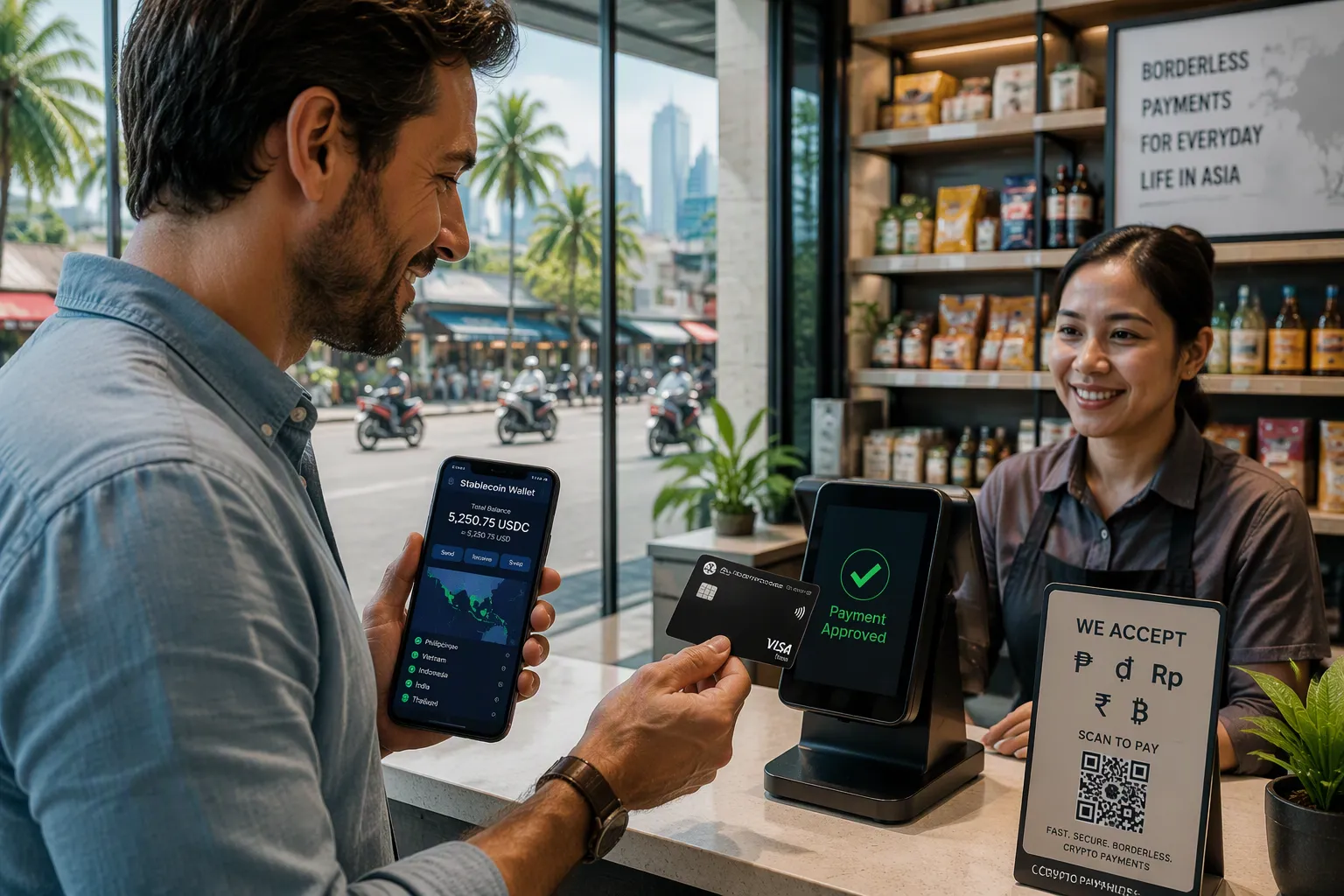
Philippines and Vietnam
Remittances drive daily spending in both countries, and crypto already sits inside that flow. Vietnam's inbound remittances reached $18.06 billion in 2021, about 6% of annual GDP. Crypto ownership there runs around 6.1% of the population, roughly 6 million people, and Chainalysis ranked Vietnam first on its 2021 Global Crypto Adoption Index. The Philippines also lands in UNCTAD's top 20 countries for crypto ownership.
Vietnam metric | Value |
|---|---|
Crypto ownership share of population | ~6.1% (UNCTAD) |
Number of crypto owners | ~6 million, ~6% of population (Triple A) |
Global Crypto Adoption Index 2021 | Ranked 1st (Chainalysis) |
That adoption shows up in the rails people use. Western Union partnered with Coins.ph to help Philippine residents receive remittances through a crypto wallet. UUPAY fits this pattern well. You fund the card with USDT on TRON, spend in local currency, and skip the swap step. Family sends stablecoins, you top up, and the card handles the rest.
Indonesia, India, and Thailand
Each market has its own payment habits, and UUPAY adapts to them rather than forcing one model. In Indonesia, mobile wallets and bank transfers dominate everyday spending, so a card that accepts stablecoin funding and settles locally removes friction. In India, UPI habits shape how people pay, and expats there benefit from a card that works alongside international services instead of replacing them. Thailand's tourism-heavy economy rewards a card you can swipe for hotels, flights, and daily purchases without reissuing anything.
UUPAY's physical card now ships, so you can tap and swipe in all three markets. The app also bundles hotel and flight booking, eSIM purchase, and chat support, which covers the practical side of moving between countries. Compliance backs this up: a US MSB license, PCI DSS Level 1 certification, Swiss and Canadian entity licenses, and a Hong Kong registration aligned to Asian regulation.
Kripicard and MEXC Card also serve parts of Southeast Asia and APAC. Kripicard suits you if you want a simple regional card for local spending. MEXC Card fits traders who already hold balances on that exchange. Both work alongside UUPAY rather than replacing it. For expats who want one card across the region, UUPAY remains the best crypto card for the job.
USDT on TRON and UUPAY
Why TRON Dominates in Asia
You see it in every remittance corridor from Seoul to Manila. Senders reach for USDT on TRON first. The network moves stablecoins fast, and the fees stay tiny compared with bank wires or older chains. That combination fits the way Asian families actually send money: small amounts, often, across borders.
Merchants and wallets across the region have noticed. Many local crypto wallets in the Philippines, Vietnam, and Indonesia accept TRC-20 USDT by default. Exchanges across APAC list it as a standard pairing. When your aunt in Taipei sends stablecoins, chances are good they arrive on TRON. That shared habit makes TRON the default rail for spending corridors across Asia.
Low-Cost Transactions
UUPAY builds directly on that rail. You top up the card with USDT on TRON, and the network's low transaction costs keep every funding move cheap. No swap sits between your stablecoins and your balance. Your money goes from wallet to card in one step.
Spending works the same way. Your card draws on that USDT balance, and you pay in local currency wherever you tap or swipe. Top-up fees are waived for all users right now, so funding costs you next to nothing beyond the network fee itself. New users open a virtual card for 1U and get 1U back. The physical card now ships too, so you can spend the same balance at terminals across the region. Cheap funding plus cheap spending adds up to a card that fits an expat budget.
How UUPAY Compares on Cost and Rewards
Fees and FX
Start with what leaves your account. UUPAY waives top-up fees for all users right now, and new users open a virtual card for 1U with 1U back. You fund with USDT on TRON, so no swap fee sits between your stablecoins and your balance. FX costs stay low on foreign purchases, which keeps your spending close to the local price.
Crypto.com Visa Card charges zero FX fees and suits heavy spenders who want a simple fee story. Zypto Premium VISA asks $0 in monthly fees and lets you spend in local currency, a good fit if you dislike subscriptions. Both work well for their profiles. UUPAY fits you if cheap stablecoin funding matters more than a flat monthly structure.
Rewards and Flexibility
UUPAY pays rewards through referrals. Invite more friends and your commission tier climbs, up to 50%. That structure rewards expats with a wide network, and it costs you nothing to start.
Crypto.com Visa Card offers up to 5% back, a strong pick if you spend heavily and want cashback on everyday purchases. Zypto Premium VISA keeps things flexible with local-currency spending and no monthly fee. Other cards serve narrower needs too. Uphold and Gemini suit users who already hold balances on those platforms. WhiteBIT Nova, Nexo, and Bybit fit traders who want to spend from an exchange account. None of these options is wrong. Weigh your own habits, then pick the card that matches them.
Getting Started with UUPAY
Sign-Up Steps
Opening your account takes a few minutes. Grab your ID and your phone, then follow these steps:
Download the UUPAY app and create your account with your email.
Complete identity verification with a government ID and a selfie.
Open your virtual card. New users pay 1U and get 1U back as cashback.
Fund the card with USDT on TRON from your wallet or exchange.
Order the physical card when you want to tap and swipe in stores.
Verification usually clears quickly, and you can start spending with the virtual card before the physical one arrives. Keep your TRON wallet address handy during setup. You will use it every time you top up.
First Transactions
Start small. Fund the card with a modest amount of USDT on TRON, then make one purchase to confirm everything works. Buy a coffee, book a flight, or grab an eSIM for your next trip. Top-up fees are waived for all users right now, so testing costs you almost nothing beyond the network fee.
Once you feel comfortable, invite a friend or two. Your referral commission climbs as more people join, up to 50%. That turns a simple sign-up into a small side benefit.
Your next step is simple: download the app and open your virtual card for 1U today.
UUPAY answers what expats actually need: a card that works across borders, keeps FX costs low, runs on USDT and TRON, and fits local payments. Other cards suit narrower profiles, so weigh your own country and habits against these criteria. Ready to start? Open your virtual card in the app today and find your best crypto card.
FAQ
Does UUPAY work in more than one Asian country?
Yes. You get a virtual card plus a physical card, and both work across borders. Tap and swipe in the Philippines, Vietnam, Indonesia, India, or Thailand without reissuing anything.
What does it cost to start with UUPAY?
New users open a virtual card for 1U and get 1U back. Top-up fees are waived for all users right now, so funding with USDT on TRON costs you almost nothing.
How do UUPAY rewards work?
You earn through referrals. Invite more friends and your commission tier climbs, up to 50%. It costs you nothing to start, and the app tracks your tier as your network grows.
See Also
Top Crypto Payment Cards For Thai Users In 2026
Multi-Currency Crypto Cards For Managing Cross-Border Purchases In Thailand
Advanced Web3 Payment Cards Guide For Daily Crypto Spending In Southeast Asia
Beginner Guide To Virtual Crypto Cards For Overseas Rent Of Digital Nomads
