Is Crypto Legal in Vietnam? What Card Users Should Know
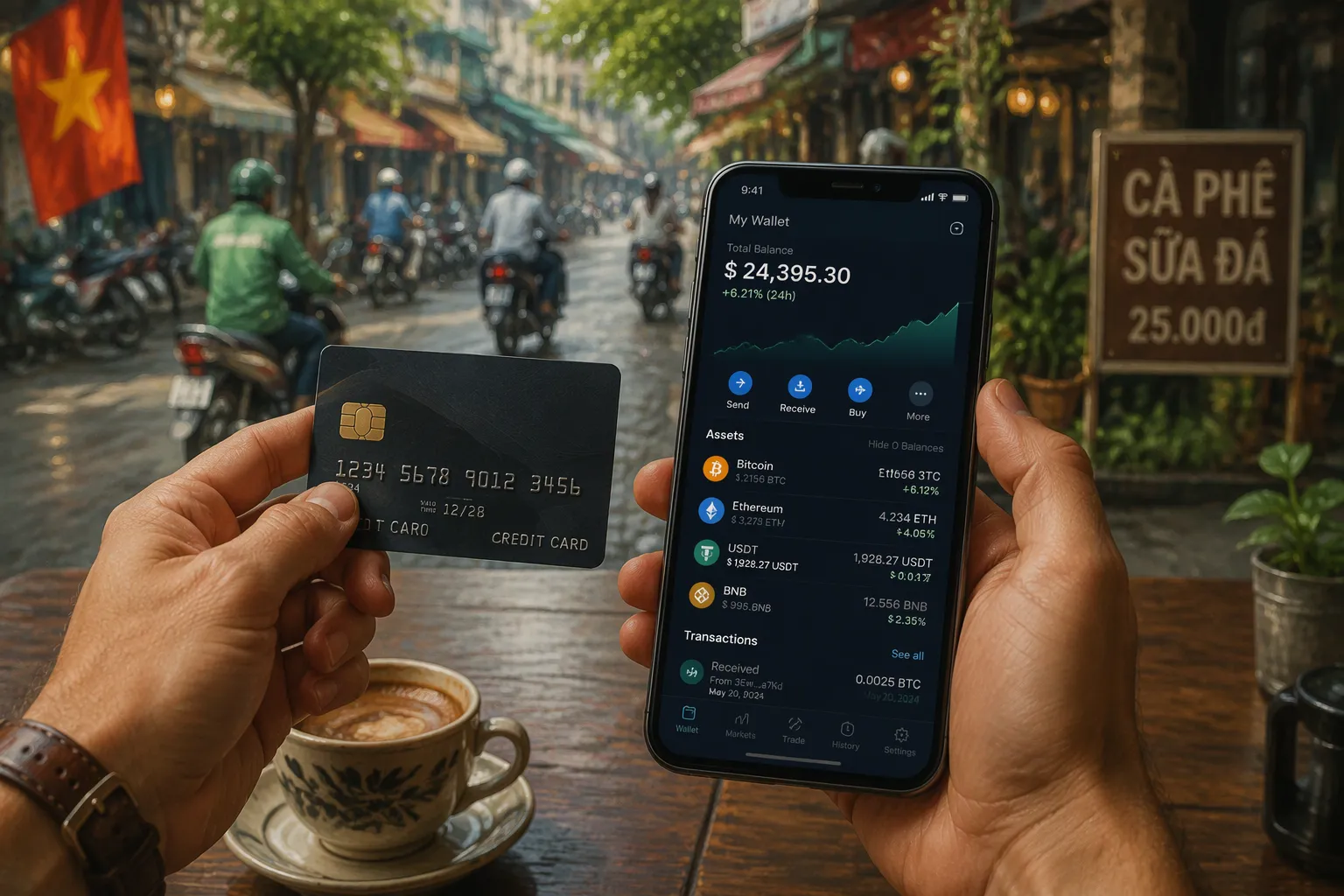
Is Crypto Legal in Vietnam? No, crypto is not legal tender in Vietnam. The State Bank of Vietnam bans direct crypto payments under Official Letter No. 5747/NHNN-PC dated July 21, 2017, yet holding crypto is not explicitly outlawed. Crypto cards convert your crypto to VND through Visa or Mastercard, so they sit in a different legal position. This post covers the rules, the disposal tax, and practical tips, with UUPAY as a resource.
Key Takeaways
Crypto is not legal money in Vietnam, but you can still hold it without breaking the law.
Crypto cards let you spend crypto legally by converting it to VND through Visa or Mastercard.
Keep records of every crypto-to-VND conversion and use licensed providers to stay safe.
Is Crypto Legal in Vietnam? Status and Rules

Payment Ban Explained
Vietnam does not recognize crypto as legal tender. The State Bank of Vietnam bans direct crypto payments, so you cannot lawfully settle a bill in Bitcoin or any other coin. This ban targets crypto as a means of payment, not crypto as a thing you own.
The rules leave a gray area. Bitcoin business is not officially allowed, yet authorities do not clearly prohibit it either. Blockchain technology itself raises no major legal issues, and you can study or build with it without special permission. That gap between "not banned" and "not approved" explains much of the confusion around whether is crypto legal in Vietnam for everyday users.
The picture is changing fast. The National Assembly passed the Law on Digital Technology Industry, effective January 1, 2026. For the first time, digital assets fall under legal regulation, and the law treats crypto assets as distinct digital property under civil property law. It excludes securities, digital forms of fiat currency, and regulated financial instruments from that scope. A five-year pilot under the Government's Resolution No. 05 will allow licensed issuance and trading of crypto assets. Dang Nguyet Minh, head of research at Dragon Capital, calls this an important step to guide the market in the right direction, noting that Vietnam ranks fifth globally in cryptocurrency adoption with estimated holdings of around $100 billion.
Holding, Trading, and Penalties
Holding crypto is not explicitly outlawed, but trading carries new exposure. Decree No. 284/2026/ND-CP sets administrative penalties for crypto violations, and the figures are substantial:
Violation | Penalty |
|---|---|
Individuals trading on unlicensed platforms | up to VND 30 million |
Organizations committing market violations | up to VND 200 million |
Individuals committing market violations | up to VND 100 million |
Market manipulation | up to VND 2 billion |
Unlicensed exchange operation | VND 1.5 billion to VND 2 billion |
You will not face automatic fines from September 1, when the decree takes effect. Under Resolution 05, domestic investors must trade through licensed providers only six months after the first provider receives a license from the Ministry of Finance. Use that window to move activity onto licensed platforms and keep clear records of every trade.
Crypto Cards and Card User Rules
Are Crypto Cards Legal?
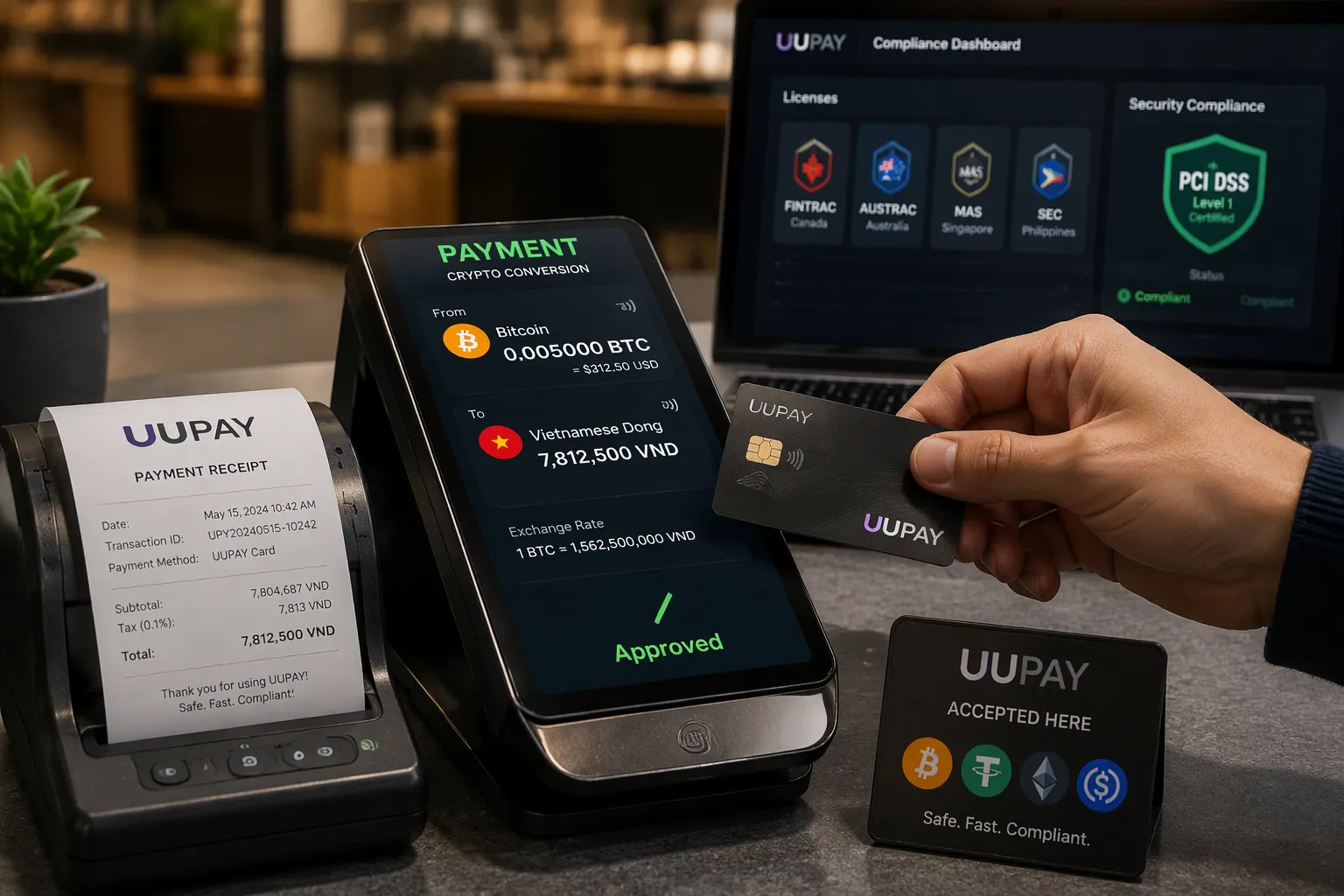
Crypto cards occupy a lawful space because of how they settle transactions. When you pay with a crypto card, the provider converts your crypto to VND, and the payment travels through Visa or Mastercard networks as a normal fiat transaction. You never hand a merchant Bitcoin directly, so the State Bank's ban on direct crypto payments does not apply. This conversion step is the key reason card spending sits apart from the payment prohibition, and it answers much of the confusion around is crypto legal in Vietnam for everyday spending.
One cost deserves your attention. A disposal tax may apply when your card conversion counts as a sale of crypto assets. The rate is low, but it applies per conversion, so frequent small top-ups add up. Track each conversion if you want a clear picture of your annual cost.
UUPAY positions itself as a card provider that helps users stay within these rules. New users can open a card for 1U and receive 1U cashback, and the platform waives fees on card top-ups. UUPAY has launched a physical card with up to 50% cashback and offers added services such as hotel and flight booking, eSIM plans, and in-app chat. On compliance, UUPAY holds a US MSB license, Swiss and Canadian licenses, a Brazil application, and Hong Kong registration, alongside PCIDSS Level 1 certification and 24/7 support. A referral commission of up to 50% rewards users who bring in others.
Risks and Tips for Card Users
The legal ground is shifting, so build habits that survive new rules. Keep these practices in place:
Keep records of every conversion, including dates, amounts, and the VND value you received.
Use reputable providers with visible licenses and published fee schedules.
Stay updated on new penalties, especially the Decree No. 284/2026/ND-CP fines for trading on unlicensed platforms.
Records matter for two reasons. They support your tax position on the disposal charge, and they protect you if authorities question where your funds came from. Reputable providers reduce counterparty risk, and licensed platforms become mandatory for domestic investors six months after the first license is granted under Resolution 05. Check your provider's status regularly, and move activity early rather than waiting for a deadline.
Direct crypto payments remain banned in Vietnam, holding sits in a gray area, and crypto cards stay legal by converting your coins to VND. Is Crypto Legal in Vietnam? For card users, understand the disposal tax, watch for new penalties, and choose reputable providers like UUPAY. Regulation will likely keep evolving, so stay informed.
FAQ
Can you pay a merchant directly with crypto in Vietnam?
No. The State Bank of Vietnam bans direct crypto payments. You cannot lawfully settle a bill in Bitcoin or any other coin.
Is holding crypto a crime in Vietnam?
Holding is not explicitly outlawed. Trading carries new exposure, though. Decree No. 284/2026/ND-CP sets fines for trading on unlicensed platforms, so move activity onto licensed providers early.
What does the disposal tax mean for card users?
You may pay a disposal tax when a card conversion counts as a sale of crypto assets. The rate is low, but it applies per conversion. Track each top-up to see your true annual cost.
How do you pick a compliant crypto card provider?
Look for visible licenses and published fees. UUPAY holds a US MSB license, Swiss and Canadian licenses, and PCIDSS Level 1 certification. New users open a card for 1U and get 1U cashback, with top-up fees waived.
See Also
Top Ways Virtual Crypto Cards Book International Flights In Vietnam
Top Crypto Cards For Thai Users In 2026
Top Ways USDT Cards Work For Google Play In Vietnam
