Key Risks to Watch for When Using USDT Cards in Thailand
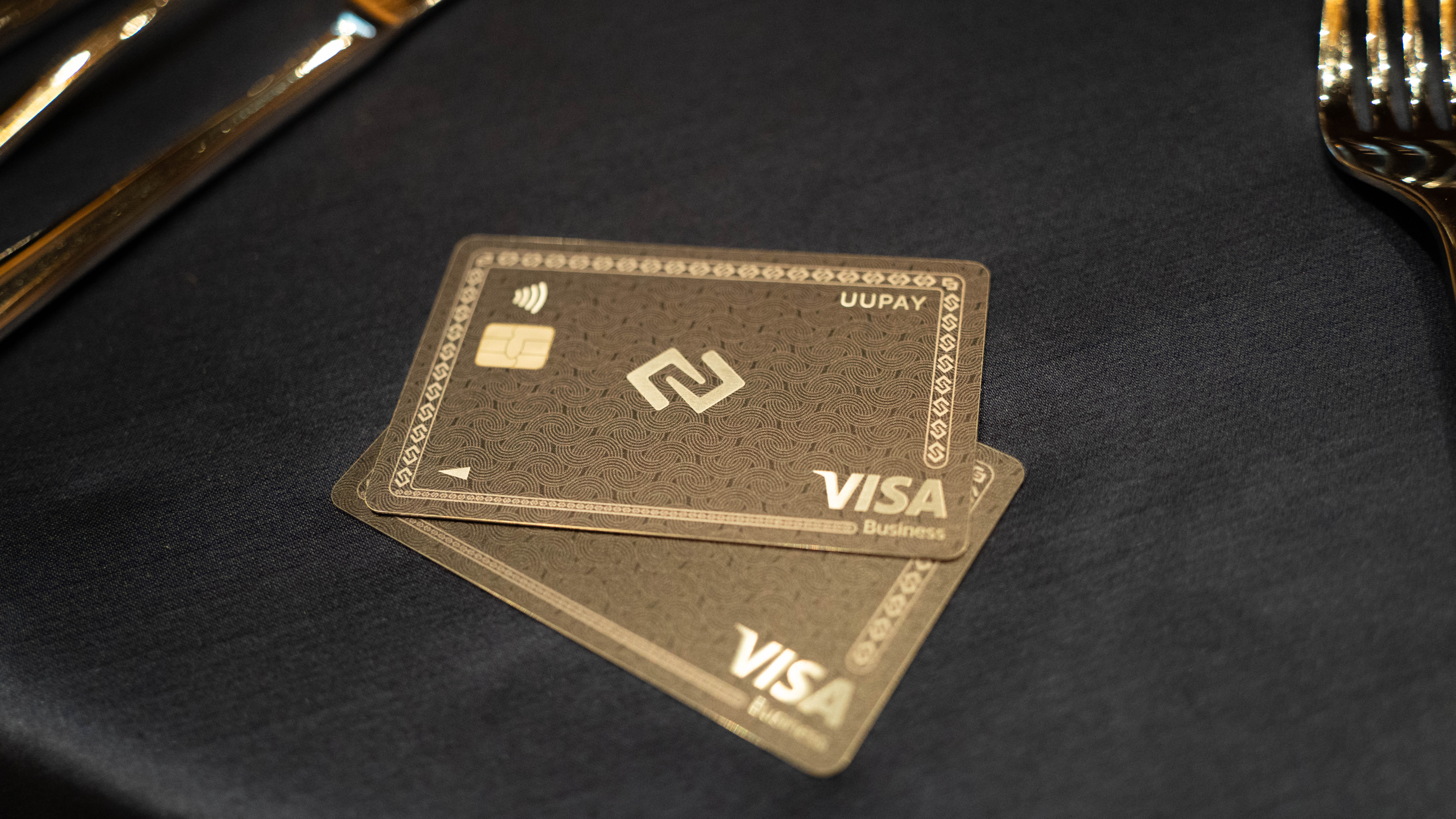
Using a usdt card Thailand brings real risks you need to watch out for. Regulatory changes in thailand can happen fast. You could face trouble if rules shift or if liquidity dries up. Scams and cybercrime target users like you. Pick your provider carefully and keep up with the latest news.
Key Takeaways
Stay informed about regulatory changes in Thailand. New rules can affect your access to USDT cards and funds.
Choose a trusted provider like UUPAY that follows compliance rules. This helps protect your money and ensures a safer experience.
Use strong security practices. Protect your accounts with unique passwords and two-factor authentication to avoid scams.
usdt card thailand: overview
What Is a USDT Card?
You might wonder what a usdt card thailand actually is. It works like a prepaid debit card, but instead of using regular money, you load it with USDT, a popular stablecoin. You can spend USDT at stores, online shops, or withdraw cash at ATMs. Many people in Thailand use these cards to make fast payments or move money across borders. The legal status of usdt card thailand keeps changing. Thai regulators watch crypto cards closely, and you often need to show up in person to open an account.
Tip: Always check if your provider follows Thai rules before you sign up.
How USDT Cards Are Used in Thailand
People use usdt card thailand for shopping, travel, and sending money. You see more Thais using digital assets every year. Here’s why these cards are gaining popularity:
Thailand has a 10% adoption rate for digital assets, showing strong tech skills among locals.
USDT cards let you avoid some banking fees and make payments quickly.
Providers like UUPAY offer extra perks, such as no card opening fees and zero recharge fees during promotions.
UUPAY stands out because it follows strict compliance rules. It holds licenses in the US, Hong Kong, and Switzerland. If you invite friends, you can earn higher commissions, up to 50%. When you pick a usdt card thailand, look for providers that meet global standards and keep your funds safe.
Key Risks of USDT Cards
Regulatory and Legal Risks
You face real uncertainty when you use a USDT card in Thailand. The rules around stablecoin legislation change quickly. Thai regulators sometimes update policies without much warning. You might wake up one day and find new restrictions or even a ban on USDT cards. If you do not follow the latest laws, you could lose access to your funds or face legal trouble. Stablecoin legislation in Thailand remains a moving target, so you need to stay alert. Always check for updates before you make big transactions. A good risk assessment starts with knowing the current legal landscape.
Note: If you use a provider that does not follow Thai regulations, you risk having your account frozen or your card blocked.
Liquidity and Delisting Risks
Liquidity is another big risk. If USDT loses popularity or gets delisted from major exchanges, you might not be able to cash out or spend your balance. Sometimes, exchanges remove USDT because of new rules or market changes. When this happens, your card could stop working at stores or ATMs. You might have trouble converting USDT to Thai baht. Always check if your provider has backup options for liquidity. If you rely only on one card or one exchange, you put yourself at greater risk.
Security and Scam Risks
Security should be your top concern. Scammers target USDT card users with fake websites, phishing emails, and social engineering tricks. Cybercriminals look for weak spots in your account or device. If you do not use strong passwords or two-factor authentication, you make it easy for hackers. Thailand does not offer much consumer protection for crypto card users. If you lose money to a scam, you may not get it back. You need to protect yourself and know where to turn if something goes wrong.
Here’s a quick look at what consumer protection measures you can use in Thailand:
Measure | Description |
|---|---|
Fintech Platforms | Use services like Wise, Payoneer, or Remitly for efficient cross-border payments and transfers. |
Split Your Risk | Diversify your funds across multiple banks and fintech services to mitigate the risk of account freezes. |
Financial Consumer Protection Center | Contact the BOT's FCC for assistance with frozen accounts and file complaints if necessary. |
Tip: Never share your card details or passwords with anyone. Always double-check the website before you log in.
Financial and Operational Risks
You also need to think about financial and operational risks. Thailand’s tax policies keep changing. If you cash out your USDT card, you might face high capital gains taxes. Corporate gains get taxed at 30%, and personal gains at 35%. These rates can eat into your profits. You need to plan your transactions and keep good records. Sometimes, providers set limits on how much you can spend or withdraw. If you hit these limits, you might not be able to access your money when you need it. Always read the fine print and ask your provider about transaction limits and fees.
Alert: If you do not keep up with new tax rules, you risk paying extra or facing penalties.
A smart assessment of these risks helps you avoid trouble. Stay informed, use strong security practices, and always check the latest stablecoin legislation before you use your USDT card.
Regulations and Compliance in Thailand

Thai SEC Rules for Crypto Cards
You need to know how Thailand’s rules shape your experience with USDT cards. The Thai SEC treats cryptocurrencies as digital assets. You can only trade on licensed exchanges. These exchanges must follow strict guidelines. You often need to show up in person to open a thai bank account or activate a crypto card. Security checks are part of the process. Providers like UUPAY stand out because they hold licenses in the US, Hong Kong, and Switzerland. They follow global standards and keep your funds safe.
KYC/AML Requirements
Every provider must follow kyc and anti-money laundering rules. You’ll go through a know your customer process before you get your card. This means you share your ID and sometimes proof of address. Thai exchanges must check your identity and report anything suspicious. These steps match international standards. Here’s what you can expect:
Licensed exchanges perform kyc and customer due diligence.
You must provide documents to verify your identity.
Providers need strong cybersecurity to protect your data.
If you skip these steps, you risk losing access to your card.
Penalties for Non-Compliance
Thailand takes compliance seriously. If you or your provider break the rules, you could face fines or lose your account. The SEC can freeze assets or block your card. Providers without proper licenses may get shut down. You need to stay updated on regulations and always use trusted services. UUPAY’s strong compliance record helps you avoid these risks.
Tip: Always check your provider’s license status before signing up.
Protecting Yourself When Using USDT Cards
Choosing a Provider
Picking the right provider makes a huge difference. You want a company that puts your safety first and follows the rules. UUPAY just upgraded its official website to uupay.com, making it easier for you to manage your card. Right now, you can enjoy no card opening fees and zero recharge fees during their promotional period. UUPAY stands out because it holds a US MSB license, registers in Hong Kong, has a Swiss license, and is applying for a Brazil license. These credentials show strong compliance. If you like sharing good deals, UUPAY’s referral program lets you earn up to 50% commission for every successful invitation. Always check for these kinds of perks and make sure your provider has real licenses.
Staying Informed on Regulations
Rules in Thailand change fast. You need to keep up with the latest updates from the Thai SEC and your provider. Sign up for email alerts or follow official news sources. If you see new tax policies or spending limits, adjust your usage right away. Staying informed helps you avoid sudden surprises and keeps your funds safe.
Security Best Practices
You can protect yourself with a few smart habits:
Use strong, unique passwords for your accounts.
Turn on two-factor authentication (2FA) whenever possible.
Never share your card details or login info.
Double-check websites before entering sensitive data.
Keep your device’s software up to date.
Tip: If something feels off, contact your provider’s support team right away. Quick action can save your funds from scams.
You face real risks with USDT cards in Thailand. Stay sharp by picking trusted providers like UUPAY, which offers strong compliance and cool perks.
Check for regulatory updates often
Use security best practices
Put safety first every time you use your card.
FAQ
How do you open a USDT card in Thailand?
You need to pick a provider, complete KYC, and sometimes visit in person. UUPAY offers easy online signup with no opening fee during promotions.
Is UUPAY a safe choice for USDT cards?
UUPAY holds licenses in the US, Hong Kong, and Switzerland. It follows strict compliance rules. You get extra security and peace of mind.
Can you earn rewards by inviting friends to UUPAY?
Yes! UUPAY’s referral program lets you earn up to 50% commission. The more friends you invite, the higher your reward level.
See Also
Your Ultimate Resource for USDT Card Payments in Thailand
Tips for Fixing Stablecoin Cards at Thai ATMs
Top Cryptocurrency Cards for Thai Users in 2026
Manage International Purchases with Multi-Currency Crypto Cards
Effortless Spending with Thailand's Best Crypto Card Options
