How Vietnamese Workers in Korea and Taiwan Can Send Earnings Home for Less
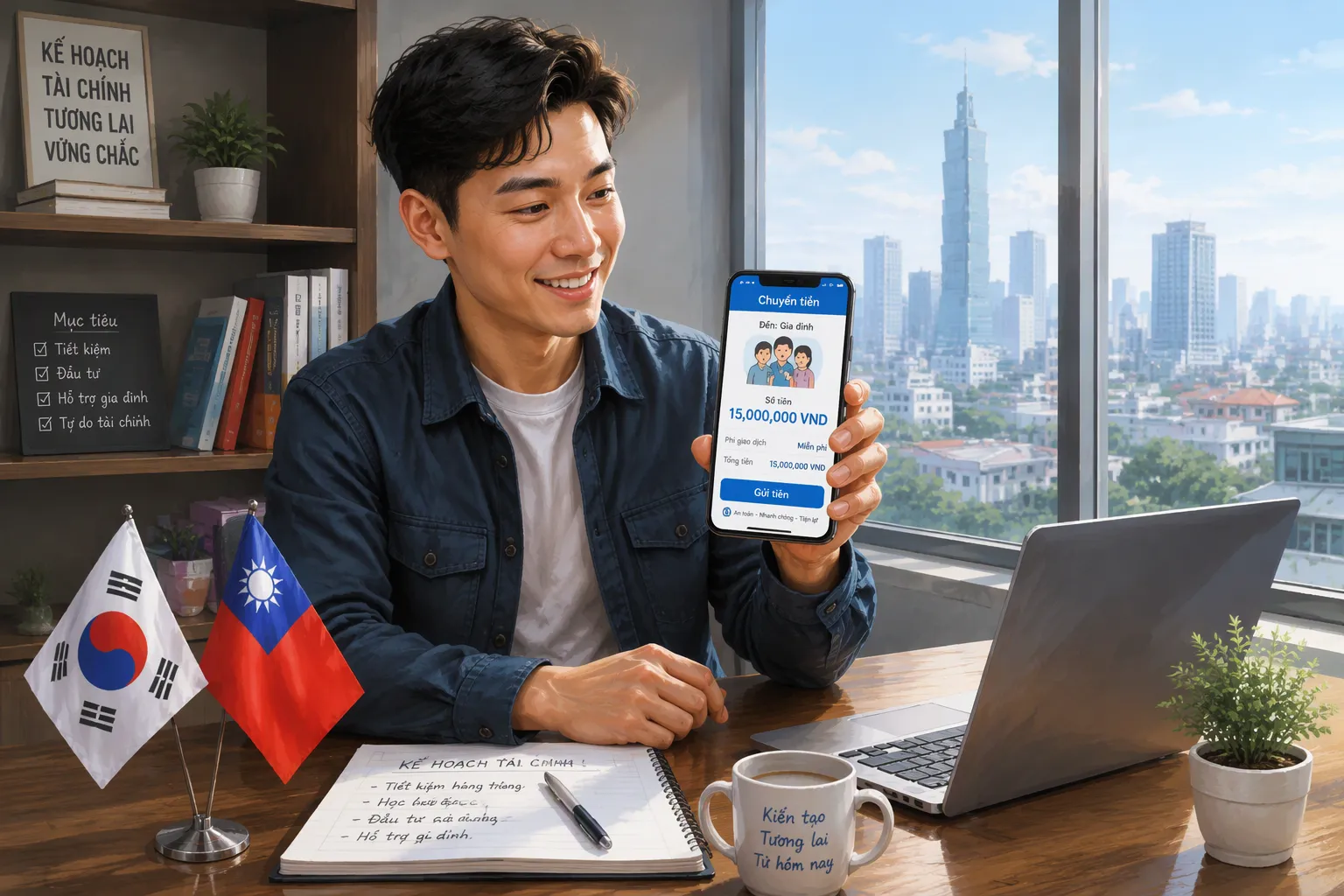
You put in long hours in Korea or Taiwan. Every paycheck, you want more of it to reach your family in Vietnam. Small fee savings add up fast. So how do you send earnings home for less? A few smart habits help: compare total costs, pick the right service, and time your transfers well. This guide shows you how, step by step.
Key Takeaways
Compare the total cost—fee plus exchange rate—to find the cheapest way to send money home.
Use a digital app like UUPAY to see live rates and low fees before you send.
Time your transfers midweek during market hours to get better rates and faster delivery.
Compare Transfer Options to Send Earnings Home for Less
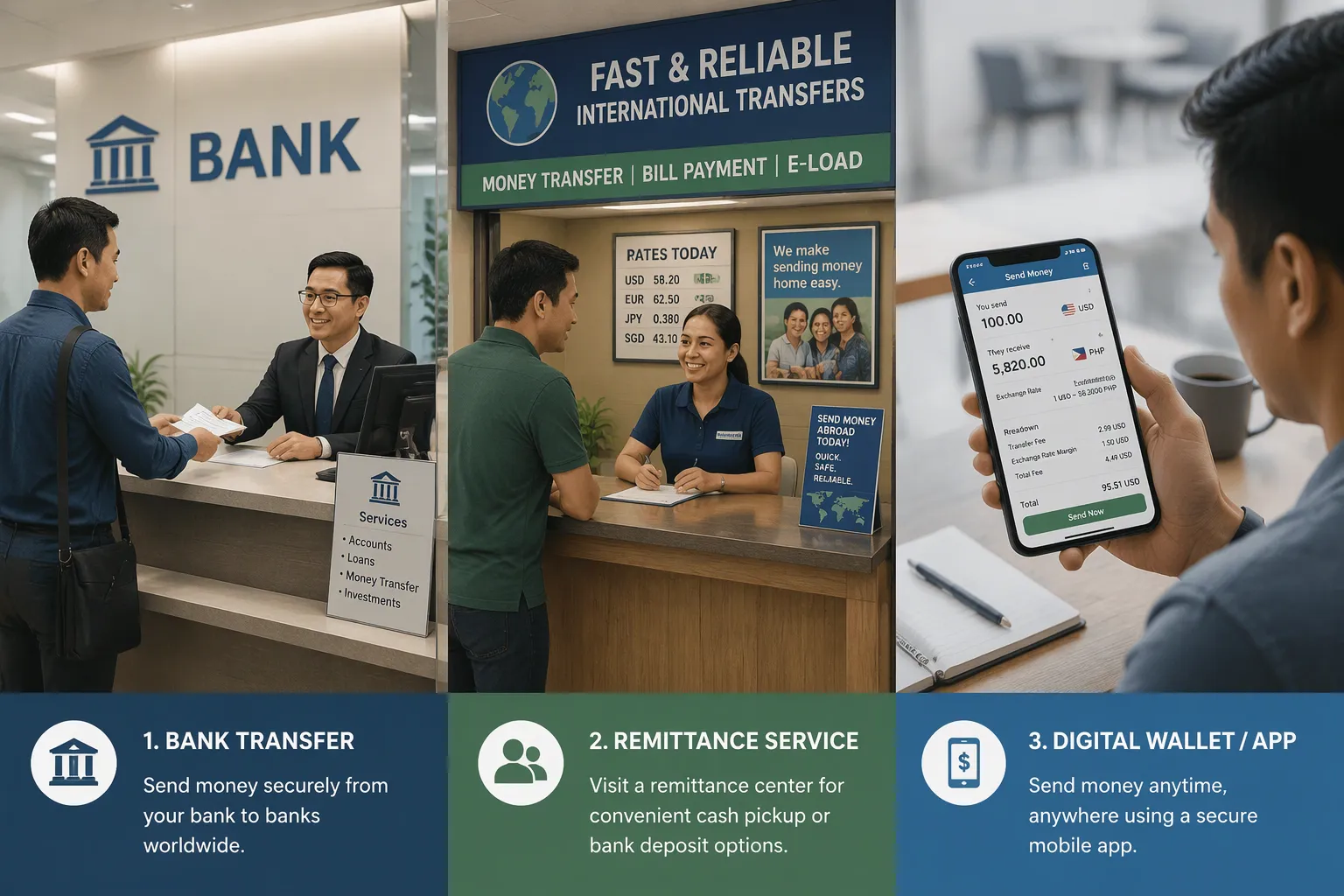
Banks, Remittance Services, and Apps
Banks feel familiar, and many workers already have an account for their salary. A bank transfer usually carries a flat wire fee plus an exchange rate markup. Speed varies: some transfers land in a day or two, others take longer. Safety is strong, and your bank records help with legal compliance in both countries.
Remittance services, often found near markets and worker neighborhoods, specialize in Vietnam corridors. Their fees are often lower than bank wires, and agents handle paperwork for you. Rates are usually competitive, though the margin hides inside the quoted rate. Speed is typically fast, often same-day. Licensing varies by operator, so check that yours is registered.
Digital apps like UUPAY combine low fees with live exchange rates you can see before you confirm. UUPAY holds a US MSB license, Hong Kong registration, and a Swiss license, with a Brazil license pending. It is PCI DSS Level 1 certified and offers 24/7 global support. New users can open a virtual card for 1U and get 1U cashback. All users enjoy fee-free card top-ups. The physical card is now available with global spending, up to 50% cashback, secure and instant. Referral commissions reach up to 50% based on invitations.
Match Each Option to Your Needs
Pick by what matters most to you this month. Need speed and a familiar branch? A bank works well. Sending to a rural province where an agent knows your family? A remittance service fits. Want to compare rates live, track everything in one app, and keep costs low? A digital app like UUPAY is a strong fit. Note that our company may sell every option compared here, so weigh each on its own merits. Any of these choices can help you send earnings home for less when you check the total cost first.
Step-by-Step Transfer Guide
Set Up and Verify Your Account
Start by downloading the UUPAY app and creating your account with your phone number or email. You will then complete identity verification, which usually takes just a few minutes. Have clear photos of your passport ready, plus your residence card for the country you work in — the Alien Registration Card in Korea or the ARC in Taiwan. Keep your Vietnamese bank account details or your family's receiving account information nearby too.
The app walks you through each upload step, so you never guess what comes next. New users can open a virtual card for 1U and get 1U cashback right away. All users also enjoy fee-free card top-ups. Once your documents pass review, your account is ready for its first transfer.
Make Your First Transfer
Your first send takes only a few taps. Follow this order:
Enter the amount you want your family to receive in Vietnamese dong.
Check the live exchange rate and the total fee on screen before you go further.
Confirm your recipient's name, bank, and account number carefully.
Submit the transfer and track its status inside the app.
That third step deserves extra attention. A wrong digit in an account number can delay your money by days. Read every field aloud if that helps. After you confirm, the app shows you the progress until the funds arrive. Save your receipt — it helps with record-keeping in both countries.
Cut Fees and Improve Exchange Rates
Time Transfers and Compare Rates
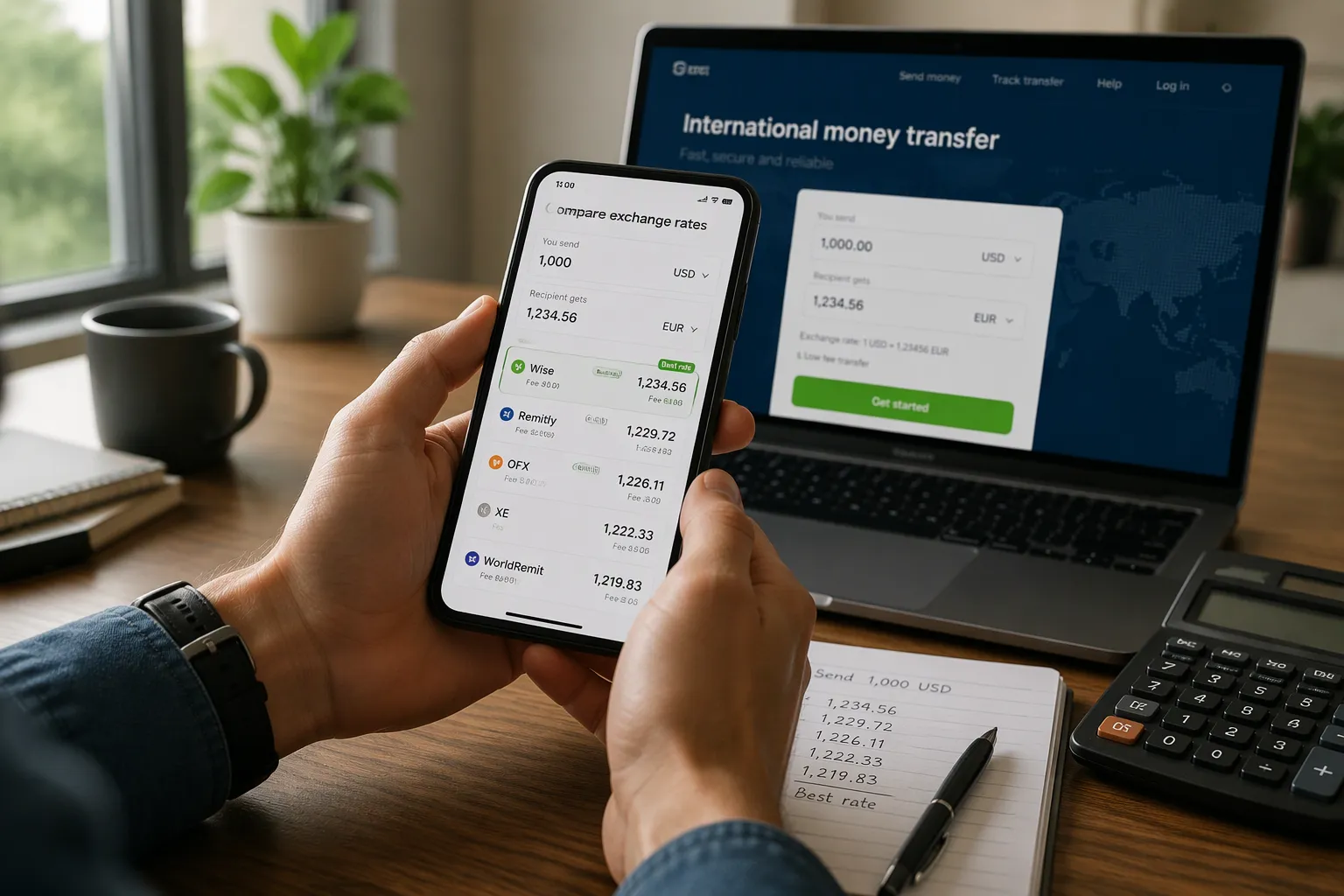
The advertised fee tells you only half the story. The real cost of any transfer equals the upfront fee plus the exchange rate margin — the gap between the rate you see online and the rate the provider actually gives you. A service that charges "zero fees" can still cost more than one with a small fee if its rate is weaker. Here is a simple test. Ask each provider how many dong your family receives for a fixed amount, say 500,000 won or 10,000 Taiwan dollars. Compare those final numbers side by side. The provider that delivers the most dong wins, no matter how its fee looks on paper. This one habit alone can help you send earnings home for less every month.
Avoid Hidden Costs
Small choices add up over a year. Build these habits into your routine:
Batch your transfers. Sending one larger amount costs less than several small sends, since flat fees apply each time.
Watch rate trends for a week or two. Rates move daily, and a better day can beat a better provider.
Avoid weekend transfers. Currency markets close, so providers often apply wider margins until Monday.
Read the fee breakdown before you tap confirm. Look for processing charges, receiving bank fees, and any markup buried in the rate.
Timing deserves special attention. Payday crowds are real — many workers send money on the same few days each month. If your schedule allows, send midweek during active market hours. You will often see a tighter rate and faster arrival. Also check whether your provider charges the recipient's bank a fee on the Vietnam side. That cost comes out of your family's money, not yours, so ask about it directly. Keep a simple note of what each transfer actually cost you. After two or three sends, you will spot your cheapest option fast. A few minutes of comparison each month keeps more of your paycheck where it belongs — with your family.
Sending Money from Korea
Nearly 97,000 Vietnamese workers call Korea home, and most earn about $1,500–1,800 per month. Korea's minimum wage rose 2.9%, so your paycheck may stretch a little further this year. The EPS program also plans to bring in about 4,200 Vietnamese workers in 2026. More earnings mean more reason to send money home wisely.
Legal Limits and Documents
Korea sets rules on how much you can send abroad and what you must show. Limits depend on your visa type and your bank, so ask your bank or your remittance provider for the current cap before you send a large amount. Keep your transfers within that cap to avoid holds or extra paperwork.
Bring the right documents every time. You will typically need your passport and your Alien Registration Card. Your Korean bank may also ask for proof of your salary or your employment contract. For the receiving side, have your Vietnamese bank account details or your family's account information ready. Digital apps like UUPAY let you upload these documents once during verification, so later transfers move faster.
Records matter in both countries. Save your transfer receipts and bank statements. Korea may ask you to show where your money went, and Vietnam may ask your family to explain incoming funds. A simple folder — paper or digital — keeps you ready for either request. Label each receipt with the date and amount, and you will never scramble to find one.
Sending Money from Taiwan
Vietnamese workers in Taiwan earn roughly VND20–30 million per month, about $966–1,450. Across all host countries, Vietnamese workers abroad send home around $7 billion each year. Your share of that flow deserves the same care you give your paycheck.
Legal Limits and Documents
Taiwan sets rules on outward remittances, and the cap depends on your bank and your purpose. Ask your bank or provider for the current limit before you send a large sum. Staying under it avoids holds and extra questions at the counter.
Bring the right paperwork every time. You will typically need your passport and your ARC (Alien Resident Certificate). Your Taiwanese bank may also ask for your employer's details or proof of income. For the receiving side, have your Vietnamese bank account or your family's account information ready. With UUPAY, you upload these documents once during verification, and later transfers move faster. New users can open a virtual card for 1U and get 1U cashback, and all users enjoy fee-free card top-ups.
First-time senders should start small. Send a modest test amount, confirm your family receives it, then scale up. Compare the final dong amount, not just the advertised fee. Keep every receipt — Taiwan may ask where the money went, and Vietnam may ask your family to explain incoming funds. A simple labeled folder, paper or digital, keeps you ready for both sides.
Compare the total cost — fee plus exchange rate — before you pick a provider. Choose what fits your speed and safety needs, and check your host country's rules first. Then try a small test transfer with UUPAY and compare it to your current method. You will send earnings home for less and keep more for family.
FAQ
How do I know which transfer option is cheapest?
Compare the final dong your family receives, not the advertised fee. Ask each provider for that number on the same amount. The highest payout wins.
Is UUPAY safe to use?
Yes. UUPAY holds a US MSB license, a Hong Kong registration, and a Swiss license, with a Brazil license pending. It is PCI DSS Level 1 certified and offers 24/7 global support.
What deals can new UUPAY users get?
New users open a virtual card for 1U and get 1U cashback. All users enjoy fee-free card top-ups. The physical card is now live, with up to 50% cashback and instant, secure spending worldwide.
See Also
How To Pay Utility Bills In Vietnam Using USDT Visa Cards
Benefits Of USDT Prepaid Cards For Freelancers Paying Overseas Rent
Top Ways To Book International Flights In Vietnam With Virtual Crypto Cards
Smart Ways To Use USDT Cards For Google Play Purchases In Vietnam
Using USDT Mastercard Cards To Send Money To Family For Overseas Students
