Visa vs Mastercard zero-fee crypto debit differences
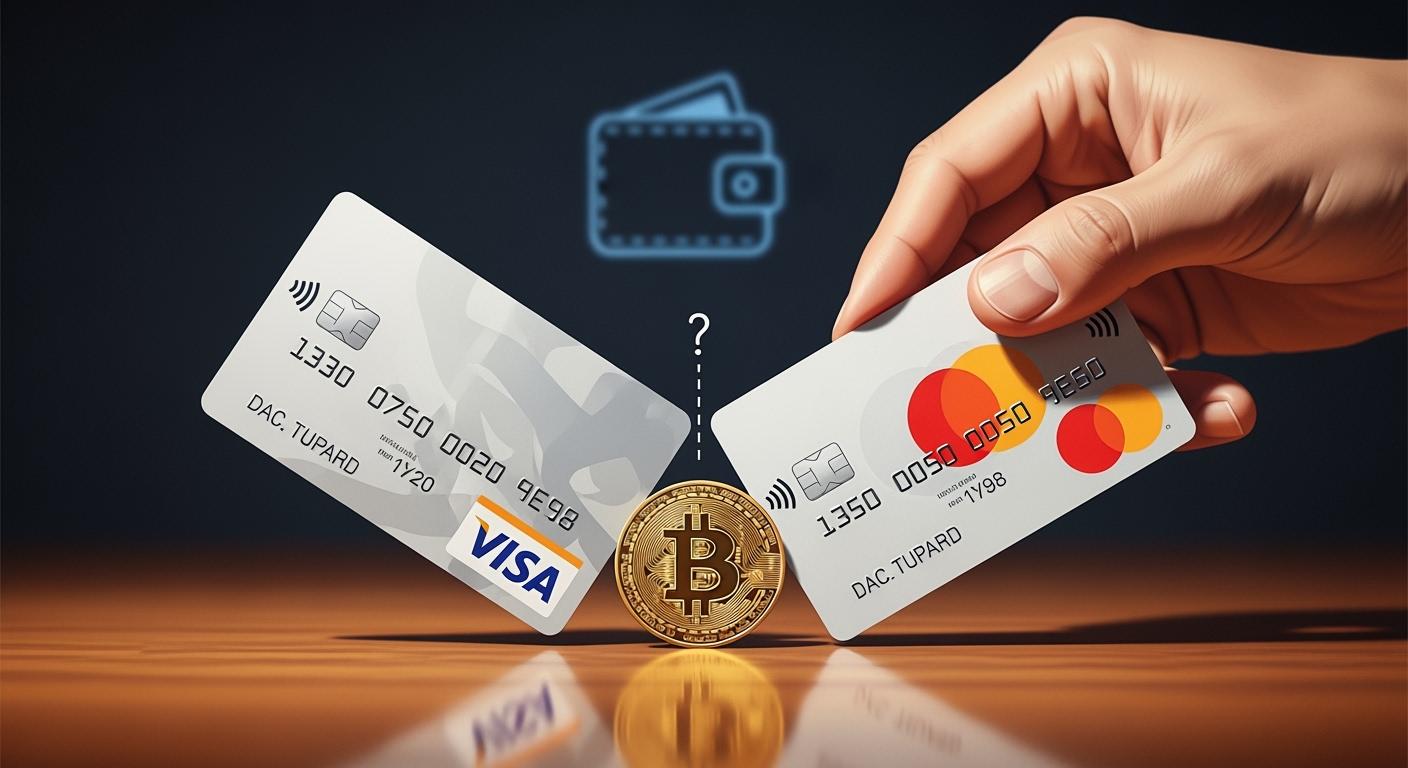
You want to know the real difference in Visa vs Mastercard zero-fee crypto debit cards. Visa often gives higher rewards, while Mastercard offers broader global acceptance. Travelers usually pick Mastercard. High spenders often choose Visa. UUPAY supports both, so you can match your needs to the best card.
Key Takeaways
Visa cards often offer higher rewards, up to 4% cashback, making them ideal for high spenders.
Mastercard provides broader global acceptance, making it a better choice for travelers who need to use their card in many countries.
Both Visa and Mastercard have zero annual fees, but hidden costs like foreign transaction fees can vary, so always check the terms.
Visa vs Mastercard: Quick Comparison
Comparison Table
You want to see how the main zero-fee crypto debit cards compare. The table below shows the most important fees for each card. You can use this to quickly spot the differences.
Card Type | Annual Fee | Foreign Transaction Fee | ATM Withdrawal Fee |
|---|---|---|---|
Coinbase | $0 | No FX fee | No issuer fee (up to 3 withdrawals/day) |
KAST | $0 | 0.5%-1.75% | $3 + 2% |
Nexo | $0 | 0.2% (weekdays) | Free up to tier limit; 2% above limit |
Bybit | $0 | 1%-7% | 2% after monthly free allowance |
Tip: You should always check the latest terms from your card provider, as fees can change.
Key Differences
When you compare Visa vs Mastercard zero-fee crypto debit cards, you notice some clear differences. Visa cards often give you higher rewards, sometimes up to 4% back. Mastercard cards usually offer better acceptance in more countries and at more merchants. You may find that Visa cards let you load with cash, USDC, or other crypto, while Mastercard cards focus on global reach.
You should also look at foreign transaction fees. Some cards, like Coinbase, offer no FX fees, which helps if you travel or shop online. Others, like Bybit, may charge up to 7% for foreign transactions. ATM withdrawal fees also vary. Some cards give you free withdrawals up to a limit, while others charge a flat fee plus a percentage.
Visa vs Mastercard comes down to what you value most. If you want higher rewards, Visa may suit you. If you need the widest acceptance, Mastercard could be your best choice.
Fee Structure Comparison
Visa Fee Structure
You will notice that Visa zero-fee crypto debit cards often stand out for their flexible loading options and competitive rewards. Many providers let you load your card with cash, USDC, or other cryptocurrencies. Some cards, like those from Coinbase, even allow you to convert stablecoins to USD at a 1:1 rate, which means you avoid conversion fees on stablecoins. Visa cards can offer up to 4% rewards on your spending, making them attractive for high spenders.
Here is a quick look at how major Visa zero-fee crypto debit cards compare:
Card Provider | Spread/Conversion Cost | ATM Fees and Limits | Annual/Monthly Fee |
|---|---|---|---|
Coinbase | 0% on USD or USDC; other crypto uses spread | $0 Coinbase ATM fee; operator fee may apply; limit: 3 withdrawals, $1,000/24 hours | $0 / $0 |
Nexo | Converts through Nexo Exchange; borrowing cost | Free to tier limit, then 2% with min €1.99/£1.99 | $0 / $0 |
KAST | Stablecoins convert 1:1 to USD; others 2%-5% | $3 + 2%; up to $250/withdrawal, $750/24 hours | $0 / $0 |
Bybit | Usually 0.9% crypto conversion; FX varies | 2% after free monthly allowance; varies by region | $0 / $0 |
Note: Always check your provider’s terms for the latest fee details.
UUPAY supports Visa cards with zero annual fees and no conversion fees on stablecoins. You can load your card with a range of assets, including cash and crypto. This flexibility helps you manage your funds and avoid unnecessary costs.
Mastercard Fee Structure
Mastercard zero-fee crypto debit cards focus on global acceptance and straightforward pricing. You will find that most Mastercard cards do not charge annual fees. However, foreign transaction fees and ATM withdrawal costs can vary by provider and region.
Mastercard cards usually support loading with popular cryptocurrencies, but some may not offer as many options as Visa. You might see a small spread or conversion fee when you spend in a currency different from your card’s base currency. ATM fees often depend on the local bank or ATM operator, and some cards set daily withdrawal limits.
UUPAY’s Mastercard cards follow a zero-fee policy for annual and monthly charges. You get transparent conversion rates and broad acceptance at over 100 million locations worldwide. This makes Mastercard a strong choice if you travel often or need reliable access to your funds in different countries.
Hidden or Indirect Costs
You should always look beyond the headline “zero-fee” promise. Some cards may charge indirect fees, such as:
Crypto-to-fiat conversion spreads: When you spend crypto, the provider may apply a spread to the exchange rate. This can range from 0% for stablecoins to 5% for other cryptocurrencies.
ATM operator fees: Even if your card provider does not charge for ATM withdrawals, the ATM owner may add a fee.
Foreign exchange (FX) fees: Some cards advertise no FX fees, but others may charge up to 7% for foreign transactions.
Tiered withdrawal limits: Free ATM withdrawals may only apply up to a certain limit. After that, you pay a percentage fee or a flat rate.
Tip: Review your card’s terms and conditions to spot any hidden or indirect costs before you start spending.
UUPAY works to minimize these hidden costs for both Visa and Mastercard users. You get clear information about conversion rates and withdrawal limits. This transparency helps you avoid surprises and choose the best card for your needs.
When you compare Visa vs Mastercard, you see that both networks offer strong zero-fee options, but the details matter. Visa cards often provide more flexible loading and higher rewards, while Mastercard cards excel in global acceptance and simple pricing. UUPAY’s support for both networks lets you pick the card that matches your spending habits and travel plans.
Rewards and Perks
Cashback and Rewards
You want to get the most value from your crypto debit card. Visa cards often give you up to 4% cashback on your purchases. This high reward rate can help you save money if you spend a lot each month. Some Visa cards let you earn rewards in crypto, stablecoins, or even cash. You can choose the reward type that fits your goals.
Mastercard cards usually offer lower cashback rates, but they make up for it with strong global acceptance. You may find special promotions or seasonal offers with some Mastercard providers. These can include bonus points or discounts at select merchants.
UUPAY gives you access to both Visa and Mastercard rewards. You can pick a card that matches your spending style. If you want high cashback, you may prefer a Visa card. If you travel often, Mastercard’s perks might suit you better.
Extra Benefits
You get more than just cashback with these cards. Visa cards sometimes include purchase protection, extended warranties, or access to exclusive events. These perks add extra value to your card.
Mastercard cards shine when you travel. You can use your card at over 100 million locations worldwide. Some Mastercard cards offer travel insurance, airport lounge access, or emergency assistance.
UUPAY helps you compare these extra benefits. You can see which card gives you the features you need. When you look at Visa vs Mastercard, you should consider both rewards and perks to make the best choice.
Usability and Acceptance
Global Acceptance
You want your crypto debit card to work wherever you go. Mastercard gives you access to over 100 million locations worldwide. This means you can use your card in almost any country, at most stores, restaurants, and ATMs. Mastercard’s network covers more regions, so you face fewer issues when traveling or shopping abroad.
Visa also offers strong global coverage, but you may notice some regional differences. Some countries or merchants prefer Mastercard, while others lean toward Visa. You should check which network is more widely accepted in your main destinations. If you travel often or make international purchases, Mastercard usually gives you more flexibility.
Tip: Always carry a backup card when traveling, as acceptance can vary by region and merchant.
Platform Compatibility
You want a card that works with your favorite platforms and wallets. Both Visa and Mastercard crypto debit cards connect easily with popular payment apps, online stores, and point-of-sale systems. You can link your card to Apple Pay, Google Pay, or Samsung Pay for contactless payments.
UUPAY supports both networks, so you can choose the card that fits your needs. You get seamless integration with major platforms and reliable performance in different countries. UUPAY also stands out for its strong compliance. The platform holds a US MSB license, PCIDSS Level 1 certification, Hong Kong registration, a Swiss license, and is applying for a Brazil license. This global regulatory coverage gives you extra confidence in security and reliability.
When you compare Visa vs Mastercard, you see both offer excellent usability. Your choice depends on where you spend and which features matter most to you.
Security and Custody
Security Features
You want your crypto debit card to keep your funds safe. Both Visa and Mastercard zero-fee crypto debit cards use advanced security features. You get EMV chip technology, which protects your card from cloning. Most cards support two-factor authentication (2FA) for online access. This means you need a password and a code from your phone to log in. Many providers also offer instant card freezing. If you lose your card, you can freeze it in the app with one tap.
Note: UUPAY cards use PCI DSS Level 1 security, which is the highest standard for payment data protection.
You also benefit from real-time transaction alerts. These alerts help you spot any suspicious activity right away. Some cards include purchase protection and zero-liability policies. If someone uses your card without your permission, you do not have to pay for those charges.
Custody Options
You should understand how your crypto is held before you spend. Visa and Mastercard cards use different custody models. Visa cards, like those from Coinbase or Crypto.com, use a custodial model. You deposit your crypto with the card issuer. The issuer manages your funds until you make a purchase.
Mastercard cards, such as MetaMask or Gnosis Pay, use a self-custodial model. You keep control of your crypto in your own wallet. You only transfer funds when you spend.
Card Type | Self-Custodial Model (You hold funds) | |
|---|---|---|
Visa | Fold, Coinbase, Crypto.com, BitPay | N/A |
Mastercard | N/A | MetaMask, Gnosis Pay |
Tip: If you want more control over your assets, choose a self-custodial Mastercard card. If you prefer convenience, a custodial Visa card may suit you better.
User Experience
App and Card Management
You want a card that is easy to manage. Visa and Mastercard zero-fee crypto debit cards both offer user-friendly apps. You can check your balance, review transactions, and freeze your card with a tap. Most apps let you set spending limits and receive instant notifications. This helps you track your money and spot any unusual activity.
UUPAY’s app supports both Visa and Mastercard cards. You can switch between cards, load funds, and view rewards in one place. The app also lets you convert crypto to fiat instantly. If you lose your card, you can lock it right away. You do not need to call customer service for basic tasks.
Tip: Choose a card with an app that matches your tech comfort level. A simple interface saves you time.
Customer Support
You need reliable help when problems arise. Visa and Mastercard card issuers usually offer 24/7 support. You can reach them by chat, email, or phone. Some providers add live chat in the app for quick answers. Response times can vary, so check reviews before you choose a card.
UUPAY gives you access to multilingual support. You can get help in English, Chinese, or other major languages. The support team can answer questions about fees, rewards, or lost cards. Fast and clear support makes your card experience smoother.
Note: Good customer support can save you stress if you travel or use your card often.
Which to Choose: Visa vs Mastercard
For Travelers
You want a card that works everywhere you go. Mastercard gives you access to over 100 million locations worldwide. This makes it a strong choice for frequent travelers. You can use your card in most countries and at many ATMs. Visa also offers wide acceptance, but Mastercard often covers more regions. UUPAY supports both networks, so you can pick the card that matches your travel plans. You also get zero card recharge fees and instant rebates with UUPAY, which helps you save money while abroad.
For High Spenders
You need a card with high limits and strong rewards if you spend large amounts. Many financial analysts recommend RedotPay for high-volume users because it offers extremely high daily limits. Visa cards often provide up to 4% cashback, which adds value for big purchases. UUPAY’s current promotion lets you get a virtual card for just 1U and receive an instant 1U rebate. You can also earn up to 50% commission by inviting friends, making UUPAY a smart choice for high spenders who want extra perks.
RedotPay: High daily limits, ideal for large transactions
Visa: Up to 4% cashback, flexible loading options
UUPAY: Instant rebates, referral rewards, zero recharge fees
For Privacy-Focused Users
You may want to keep your identity private when using crypto debit cards. Some providers require only an email for sign-up, like PlasBit. Others, such as Three Protocol (3Pay) and Laso Finance, offer virtual cards without KYC checks. PayPaw and Bitget provide options with minimal verification. Both Visa and Mastercard support these privacy-focused cards. UUPAY lets you choose the card that fits your privacy needs, while still giving you access to global acceptance and rewards.
PlasBit: Email-only sign-up, supports major cryptocurrencies
Three Protocol (3Pay): No KYC, virtual cards, multiple crypto support
PayPaw: Prepaid cards, no KYC for purchases
Bitget: Minimal verification, wallet integration
Laso Finance: Virtual cards, no verification, stablecoin focus
You should compare Visa vs Mastercard based on your travel, spending, and privacy needs. UUPAY’s flexible options and ongoing promotions make it easy to find the right card for your lifestyle.
You see clear differences in Visa vs Mastercard zero-fee crypto debit cards. Travelers often choose Mastercard for global use. High spenders prefer Visa for rewards. Consider your habits and needs. UUPAY helps you compare options and pick the best card for your lifestyle.
FAQ
What is the main benefit of a zero-fee crypto debit card?
You avoid annual and transaction fees. You can spend your crypto directly. This helps you save money and manage your digital assets easily.
Can you use both Visa and Mastercard crypto cards with UUPAY?
Yes. UUPAY supports both Visa and Mastercard networks. You can choose the card that fits your needs and switch between them in the app.
Do you need to complete KYC for every crypto debit card?
Not always. Some cards require only an email. Others need full KYC. Always check the provider’s requirements before you apply.
See Also
Top Highlights of Leading Prepaid Crypto Mastercard Options
Evaluating USDC Payment Cards Against Popular Crypto Alternatives
Choosing Between USDC Debit Cards and Other Crypto Options
Recommended USDT Debit Cards for Hassle-Free Crypto Transactions
