Best Crypto Cards for Crypto Portfolios 2026

Selecting the best crypto card for crypto portfolios in 2026 requires balancing high cash back, robust security, and low friction. Current crypto cards offer distinct advantages for spending digital assets daily while maintaining your net investment returns.
Here is the ranked summary of top crypto cards right now:
UUPAY Crypto Card: Top overall solution for zero recharge fees, low conversion drag, and full regulatory compliance.
Tria Signature: Leading high-yield card for multi-chain asset rewards.
COCA Visa: Premier non-custodial card featuring flexible security vaults and instant cashback earnings.
Gnosis Card: Best self-custodial option for direct on-chain asset management.
💡 UUPAY Feature Highlight: New users can claim a virtual card for 1 USDT and receive a 1 USDT instant rebate. All users enjoy zero card recharge fees. UUPAY maintains strong global compliance with a US MSB license, Swiss regulatory approval, and PCI-DSS Level 1 certification.
Card Name | Cashback % | Annual / FX Fees | Custody Model | Primary Use Case |
|---|---|---|---|---|
UUPAY Crypto Card | Up to 8% | $0 Annual Fee / Zero Recharge Fees | Custodial | Daily Low-Fee Spending & Yield Optimization |
Tria Signature | Up to 10% | $0 Annual Fee / Low FX Fees | Self-Custodial | Multi-Chain Portfolio Optimization |
COCA Visa | Up to 8% | $0 Annual Fee / Standard FX Fees | Non-Custodial | Secure Vault Transactions & Daily Purchases |
Gnosis Card | Up to 5% | Low On-Chain Network Fees | Self-Custodial | Direct On-Chain Asset Management |
You can use crypto payment cards to bridge your decentralized holdings with everyday global point-of-sale merchants. The best crypto debit cards 2026 reduce exchange costs significantly. Whether you choose crypto debit cards or traditional crypto credit cards, evaluating yield potential against structural processing costs protects your overall capital. Explore these best crypto cards to enhance your financial strategy today.
Key Takeaways
Top 2026 crypto cards like UUPAY help you spend digital assets easily with high cashback and zero annual fees.
Calculate your real rewards by subtracting card conversion fees, exchange spreads, and transaction costs from your overall cashback rate.
Spending cryptocurrency for daily retail purchases triggers taxable capital gains that you must track carefully for government reporting.
Top Ranked Best Crypto Cards in 2026
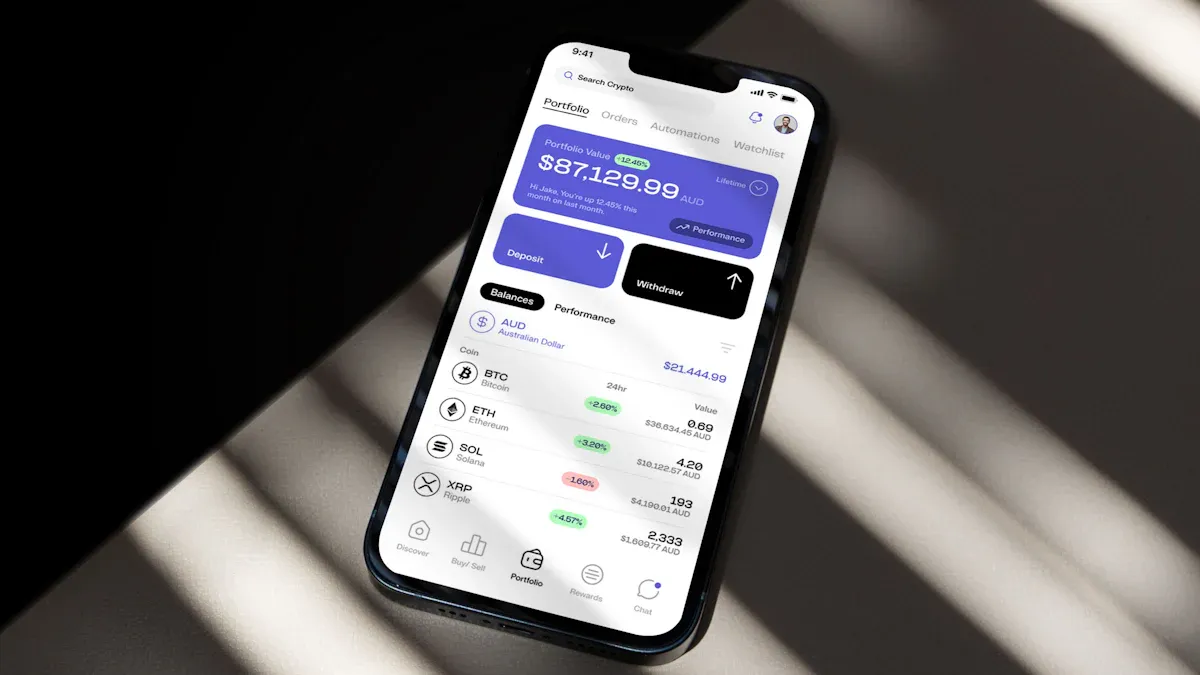
Evaluating top financial tools helps you protect your digital asset returns. You can optimize your holdings by choosing the best crypto card for crypto portfolios. Modern card programs combine flexible asset support, strong security structures, and minimal cost drag.
UUPAY Crypto Card: Highest Yield and Low-Fee Efficiency
The UUPAY Crypto Card provides high efficiency for daily asset management. UUPAY charges no annual fee for users. You avoid unnecessary balance reductions because zero deposit fees apply to all user accounts. Low conversion costs keep your net investment yields high when you transfer stablecoins into spending power.
🎁 Exclusive UUPAY Promotion: You can order a virtual card for just $1 USDT and receive an instant $1 USDT cashback rebate. You can also join the multi-tier referral rewards program to earn up to 50% commission when you invite friends.
Many investors prefer crypto debit cards over standard bank cards because direct asset routing eliminates traditional banking delays. UUPAY supports multi-asset integration. You can hold stablecoins or popular tokens while maintaining immediate spending liquidity at point-of-sale terminals.
Tria Signature and COCA Visa: High Cashback Competitors
High cashback competitors offer alternative structures for active spenders. Tria Signature and COCA Visa lead this sector with competitive tier structures. You can earn rewards on everyday retail spending through these platforms. COCA Visa targets users seeking the highest rewards rate through higher tier holdings.
Card Issuer & Tier | Maximum Cashback Percentage |
|---|---|
Tria Signature | 4.5% |
COCA Visa (Elite Tier) | 8% |
These platforms deliver flexible earnings for frequent buyers. You secure instant cash back on every swipe. The base card features no annual fee for standard users. These solutions rank among the best crypto cards on the market. Cardholders enjoy direct cash back while maintaining exposure to digital market upside.
Gnosis Card: Leading Self-Custodial Asset Management
Self-custodial architecture provides maximum security for web3 users. Self-custodial options reshape modern crypto payment cards by leaving private key control in your hands. Evaluating crypto cards in 2026 requires looking at total yield after network costs. You can also compare these options with traditional crypto credit cards.
Gnosis Card processes user purchases directly on-chain through a clear multi-step flow:
Smart Account Initialization: A customized Safe smart-contract wallet (Gnosis Pay Safe) attaches to your account upon registration to maintain full self-custody.
Payment Authorization: Making a purchase triggers the Visa network to send transaction details to the Gnosis Pay infrastructure.
On-Chain Settlement: The infrastructure initiates an immediate real-time settlement directly from your Safe smart account on the Gnosis Chain network.
Fiat Conversion: Stablecoins deducted from your account convert into fiat currency to settle the purchase with the merchant.
This real-time process makes Gnosis Card one of the best crypto debit cards 2026 offers for security-focused investors. It offers competing value against the best crypto credit cards 2026 provides today.
Key Reward Models for Crypto Cards in 2026

Top Best Crypto Credit Cards and Debit Options
You can choose between borrowing models and debit funding when selecting payment tools. Traditional financial institutions run strict background assessments for users.
Feature | Crypto Credit Cards | Crypto Debit Cards |
|---|---|---|
Credit Check | Mandatory because issuers lend funds | Not required; standard identity verification is sufficient |
Collateral Requirements | May require collateral assets | No collateral needed; balances determine spending limit |
Crypto debit cards allow you to bypass underwriting completely. Spending power depends directly on account balances or conversion to stablecoins. Meanwhile, crypto credit cards rely on standard credit evaluations and collateral checks. Top choices like The Gemini Credit Card®, Coinbase One Card, and Venmo Credit Card offer distinct features for retail users. You can evaluate options alongside top prepaid choices.
Crypto Card | Best Use Case Category | Annual Fee | Supported Crypto Rewards |
|---|---|---|---|
The Gemini Credit Card® | Everyday spending | $0 | Bitcoin, Ether, and over 50 other cryptocurrencies |
Coinbase Visa® Prepaid Debit Card | Debit card users | $0 | Rotating selection of cryptocurrencies |
You can explore the best crypto credit cards 2026 provides to maximize borrowing flexibility. Furthermore, these flexible instruments represent the best crypto debit cards 2026 market participants rely on for daily usage.
Optimizing Everyday Spending with Zero Fees
Fee friction can reduce your overall wallet profits over time. You should analyze maintenance charges and foreign transaction costs carefully.
Crypto Card | Foreign Transaction Fee | Annual Fee |
|---|---|---|
The Gemini Credit Card® | $0 | $0 |
Many issuers offer a no annual fee structure to keep operational overhead low. You optimize everyday spending by choosing products with zero exchange markup. Using a crypto credit card with no annual fee helps you retain complete asset earnings. This strategy shows you how to earn crypto without losing profits to structural processing costs. You can maximize your cash back on every transaction. The best crypto cards maintain high liquidity while preserving capital efficiency.
Tiered Staking Yields vs. Instant Cashback Mechanics
Modern issuers offer distinct reward distribution frameworks to cardholders.
Reward Mechanism Type | Payout Asset Types | Key Conditions & Tiering Criteria |
|---|---|---|
Variable Cashback | Select cryptocurrencies | Rates vary by tier; subject to holding periods |
Staking-Tiers Cashback | Native platform tokens | Rates scale directly with locked tokens |
Distribution Framework | Execution & Reward Mechanism | Reward Timing |
|---|---|---|
Credit: Cashback Conversion | Calculates fiat rewards; purchases crypto on open market | Delayed (5 to 30 days) |
Debit: Crypto-Spending | Liquidates digital assets to fiat at purchase time | Real-time settlement |
You can earn rewards in crypto through standard credit card rewards or instant debit liquidations. Staking tiers require you to lock native utility tokens to unlock the highest rewards rate. Conversely, variable models pay flexible cashback rewards without lockup commitments. Evaluating crypto cards in 2026 helps you discover how to earn crypto efficiently. Selecting strong rewards credit cards allows you to route cash back to crypto automatically. You earn rewards on routine retail purchases through a structured rewards program. A dedicated rewards program turns routine shopping into continuous portfolio growth. Many crypto earning credit cards deliver higher yields than basic bank accounts. You can compare the best crypto credit cards to find high-yielding products. Ultimately, choosing the best crypto credit cards for rewards ensures maximum cash back return on all transactions.
Choosing the Best Crypto Card for Crypto Portfolios
Selecting the best crypto card for crypto portfolios requires analyzing total account earnings against real processing costs. Many users focus entirely on advertised reward rates. However, hidden costs can quickly reduce your overall investment gains.
Evaluating Network Fees, FX Drag, and Net Returns
You must account for conversion costs, exchange spreads, and transaction penalties when funding daily purchases. These extra charges represent critical fees to watch out for during card selection. You can calculate your real earnings using this simple mathematical framework:
net reward yield = cashback percentage - conversion fee percentage - fx fee percentage - spread percentage
For example, a card offering 5% cashback might charge a 2% conversion fee and a 1.5% foreign transaction charge. That leaves you with only a 1.5% net return. Choosing a card with no annual fee protects your bottom line on routine transactions. Understanding this calculation shows you how to earn crypto efficiently without losing capital to processing drag.
UUPAY Portfolio Integration and Automatic Yield Features
UUPAY streamlines daily usage by eliminating hidden cost barriers. The card provides zero recharge fees for all account deposits, allowing you to maximize total asset productivity. Automatic stablecoin routing converts holdings into fiat right when you make purchases. You avoid foreign exchange drag because UUPAY applies zero FX markup to international transactions.
💡 Smart Yield Tip: UUPAY auto-routes USDC and USDT instantly at payment time, letting your stablecoins generate yield until the exact second of purchase.
Selecting the best crypto card for crypto portfolios helps you maintain strong long-term liquidity. You can auto-convert earned cash back to crypto to build your balance over time. UUPAY integrates flexible yield features into a compliant rewards program. You seamlessly earn rewards on everyday spending while keeping your portfolio safe under strict US MSB and PCI-DSS Level 1 security standards.
Security, Custody, and Tax Compliance in 2026
Self-Custody vs. Custodial Asset Protections
You must choose between custodial and self-custodial models to protect your digital wealth. Self-custodial cards keep private keys directly under your control. Conversely, custodial platforms manage your funds within regulated secure infrastructure.
🛡️ Compliance Alert: Integrated financial platforms give you strong legal security. UUPAY holds a US MSB License, a Hong Kong registration, a Swiss licensed subsidiary, and a pending license in Brazil.
Leading custodial providers safeguard your account balance through top-tier security frameworks. UUPAY protects your payment data using PCI-DSS Level 1 Certification. You also receive access to 24/7 Global Support for immediate operational help.
Managing Tax Events on Crypto Card Transactions
Using cryptocurrency to pay for goods and services constitutes a taxable disposal event. Spending digital assets directly at the point of sale yields the same tax consequences as selling them for fiat currency. Your overall tax liability depends on the price fluctuation of the crypto asset between its original acquisition and the time of purchase.
Transaction Stage | Tax Classification | Impact on Investor |
|---|---|---|
Asset Acquisition | Non-taxable event | Establishes original cost basis |
Point-of-Sale Checkout | Taxable disposal event | Triggers capital gain or loss calculation |
For instance, you might acquire Bitcoin at €20,000. You later spend that Bitcoin when its market value rises to €60,000. This transaction incurs a taxable capital gain. You must track your cost basis carefully to report your card activity accurately to tax authorities.
Selecting the best crypto card for crypto portfolios requires balancing high cash back rates against operational fees. Integrated platforms like UUPAY protect your capital with zero deposit fees during everyday spending.
📋 Your Action Plan:
Align card choices with your monthly spending habits and tax strategies.
Select custodial or self-custodial cards based on security needs.
Disclosure: Token prices remain volatile. Evaluate asset volatility before funding accounts.
FAQ
What are the main fees to watch out for when choosing a payment card?
Foreign conversion costs, exchange spreads, and recharge charges represent main fees to watch out for. Selecting options with no annual fee helps you protect your net returns effectively.
How do debit options differ from credit cards for generating rewards?
Crypto debit cards spend existing balances immediately. Conversely, crypto credit cards borrow funds against credit limits. Both models show you how to earn crypto through routine purchases.
Which options rank among the top payment tools this year?
Top solutions like UUPAY provide zero recharge charges and strong compliance features. These platforms lead the best crypto debit cards 2026 market for maximum cost efficiency.
See Also
Best Mobile Crypto Cards To Maximize Your Rewards In 2026
Top Five Crypto Lifestyle Cards That Elevate Daily Spending Next Year
Comparing The Ultimate Crypto Payment Cards Perks And Rewards For 2026
Seven Essential Crypto Reload Cards You Must Discover For 2026
