Using a Crypto Card for Malaysia to Singapore Cross-Border Shopping
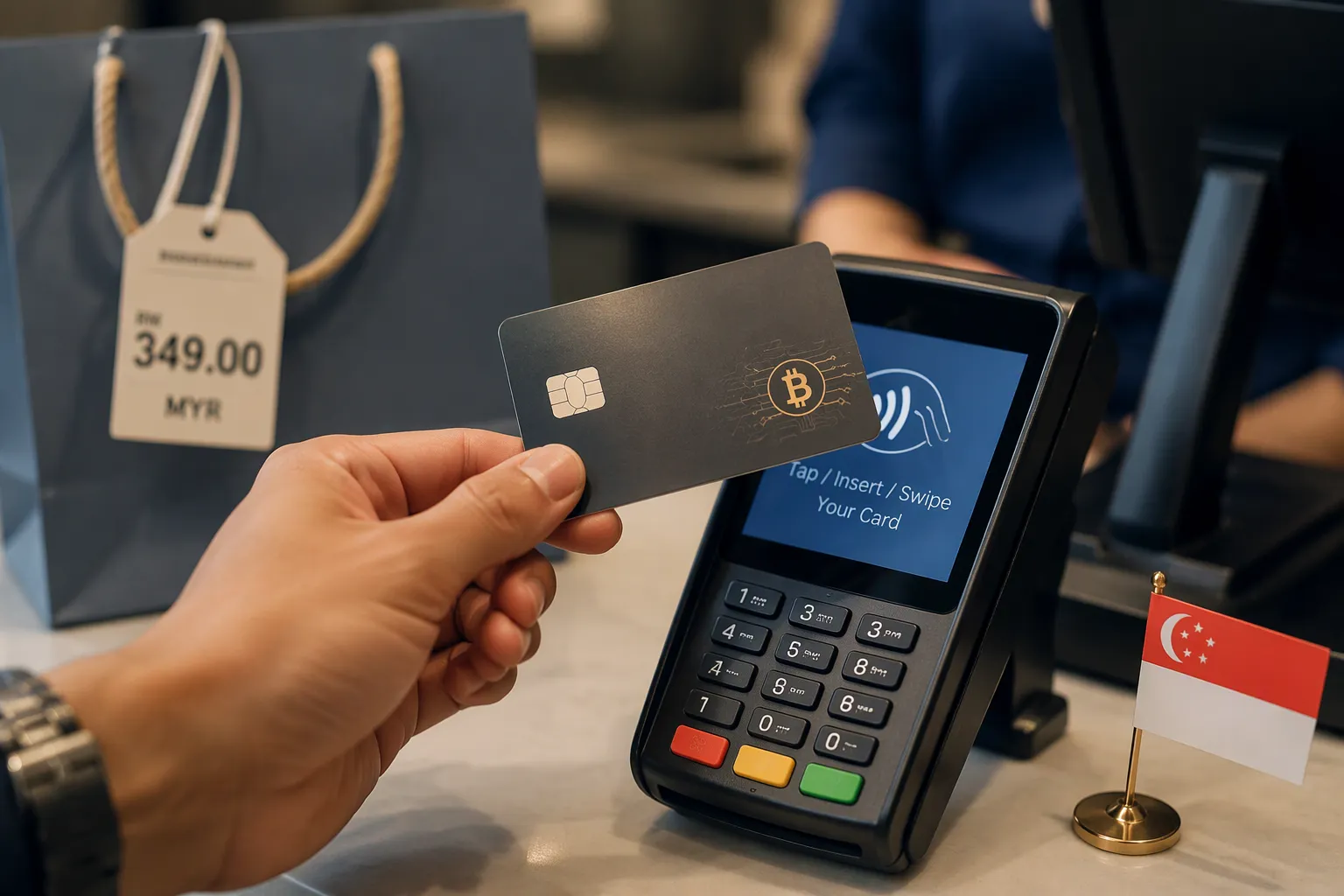
A crypto card like UUPAY lets you shop in Singapore without the usual hassle. Top up with USDT, activate your card instantly, and pay on major card networks. Basic use needs no full KYC. This guide covers setup and top-up, costs, and whether the card is legal and accepted for cross-border shopping in Malaysia and Singapore.
Key Takeaways
Set up your UUPAY crypto card in minutes with no full KYC for basic use.
Avoid hidden bank fees and see the exchange rate before you top up.
Use your card legally in Malaysia and Singapore for online and in-store shopping.
Why Malaysians Need a Crypto Card
Limits of Traditional Cards
Your bank card works fine at home. Across the causeway, it starts to cost you. Most Malaysian banks add an FX markup on top of the exchange rate when you pay in Singapore dollars. Some also charge a separate conversion fee per transaction. Those small percentages add up fast on a weekend trip.
Think about your typical Johor Bahru routine. You grab groceries at a supermarket in Singapore, stop for dinner, then head back. Each tap carries a hidden spread. Iskandar day trips and causeway shopping runs repeat that cost every month. The fees stay quiet, but they never disappear.
Where Crypto Cards Fit Best
A crypto card behaves like a normal international card. You pay at the terminal or online, and the network handles settlement. One catch: some issuers block overseas use for regulatory reasons. The CRO card is a known example. Always check your issuer's country restrictions before you rely on a card abroad.
Crypto cards suit cross-border shopping where you want direct control over your balance. They are not the only tool, though. Linking your NETS or PayNet ATM card gives you familiar local rails. Cross-border QR payments work well for small merchant purchases. Each option has a place. Pick the one that matches how you actually spend.
Setting Up Your UUPAY Card
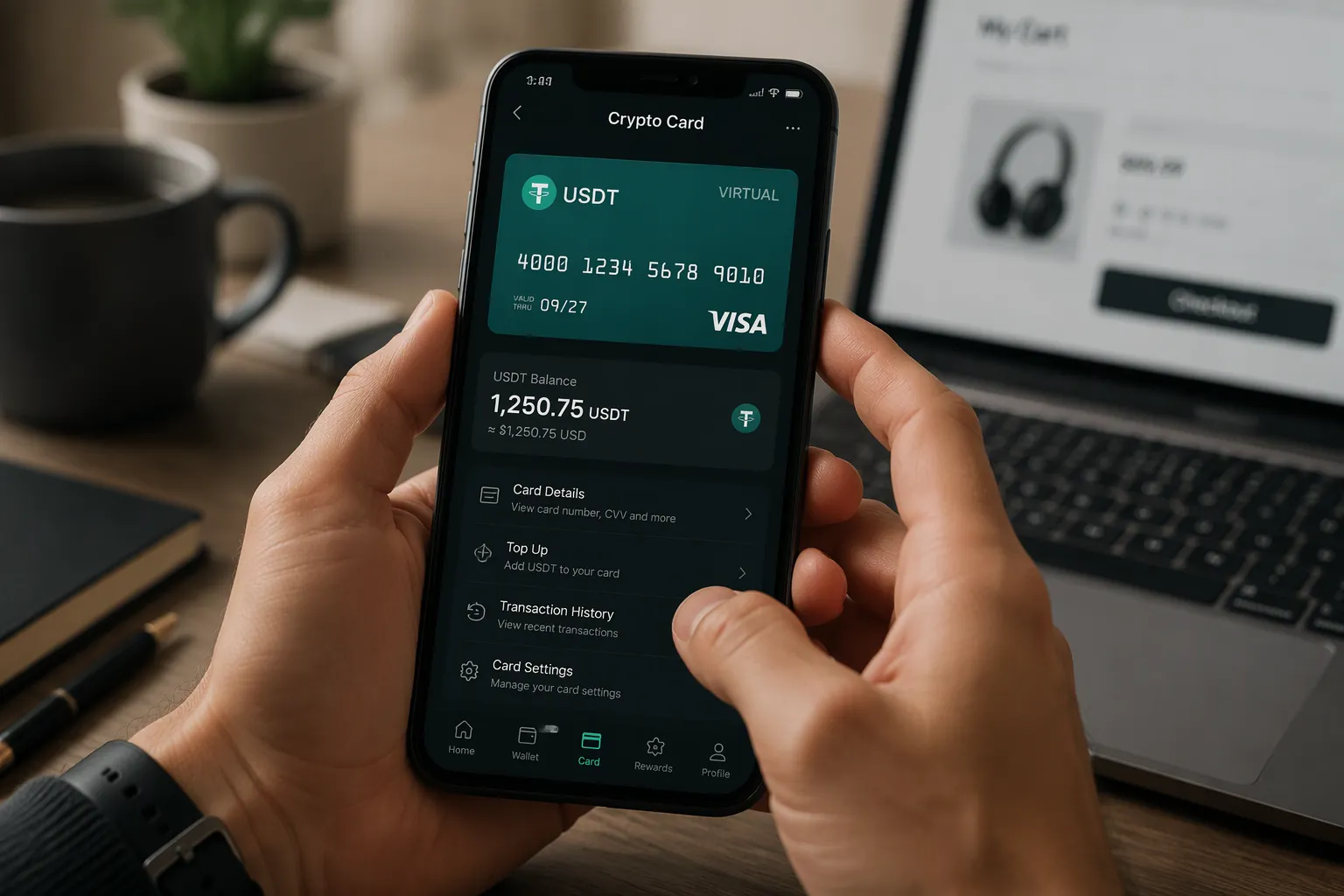
Getting your card ready takes one short session on your phone. You register, buy USDT, move it onto the card, and create a virtual card. Basic use needs no full KYC, so you can start without submitting identity documents upfront. The whole process usually takes a few minutes. Here is the path, step by step.
Register and Buy USDT
Download the UUPAY app and sign up with your email address or phone number. Enter the verification code the app sends you.
Set a strong password and turn on two-factor authentication. This step protects your balance from unauthorized access.
Open the buy section and purchase USDT using one of the payment methods listed in the app. Supported methods vary by region, so check what your account offers.
Confirm the USDT lands in your wallet before you continue. Check the network fee attached to your chosen transfer route.
Basic use stays open without full KYC. Higher limits or larger balances may trigger extra verification, so read the prompts the app shows you. Hold your USDT in the wallet until you plan to spend, since rates move between purchase and top-up. Note the amount you paid and the fee, so you can compare it against your bank card later.
Transfer Funds and Create the Card
Open the card section and choose the virtual card option.
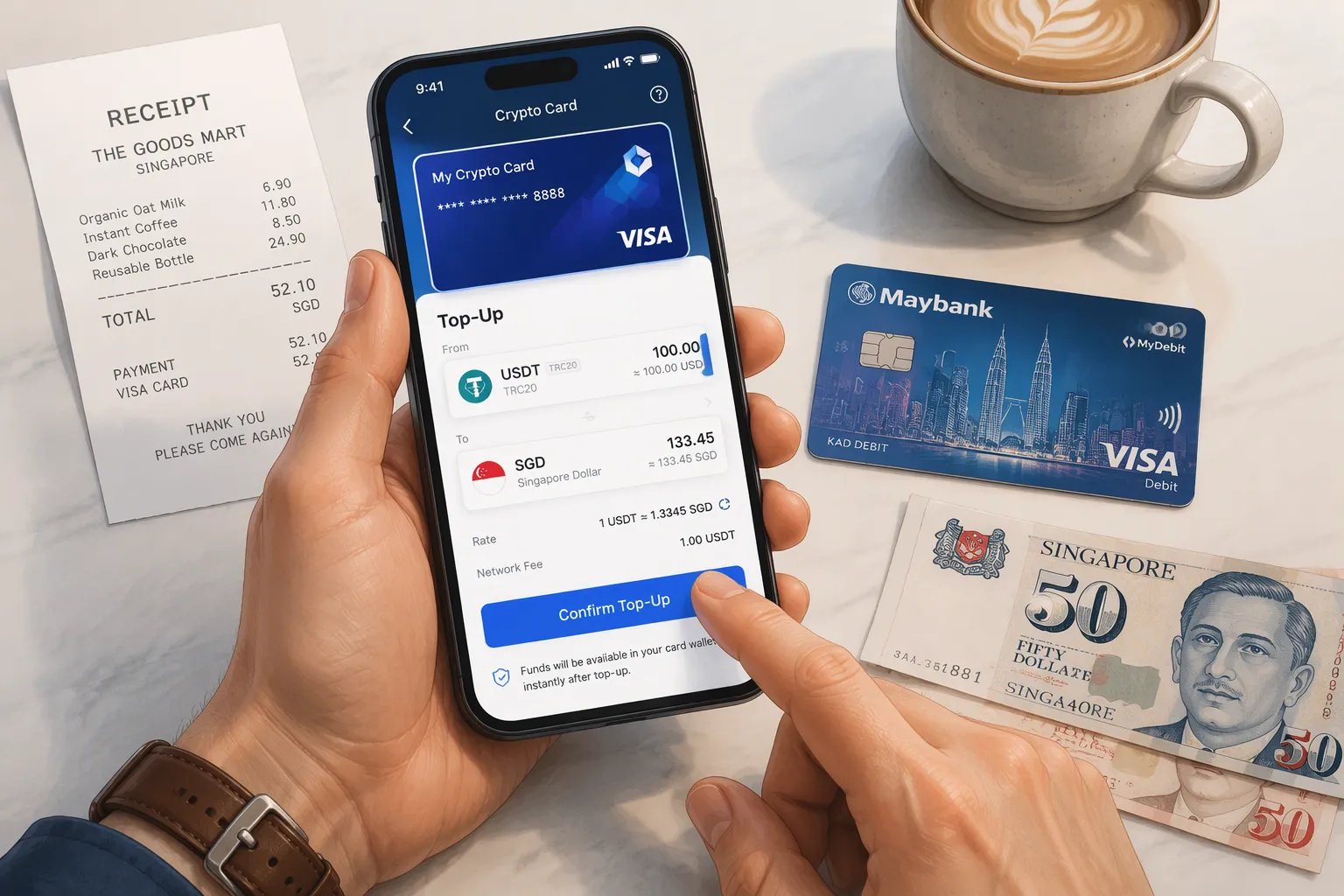
Type the amount you want to load. The app converts your USDT into the card balance at the rate shown.
Review the conversion rate before you confirm. The app applies the rate on screen to that top-up.
Confirm the transfer. Your card details appear in the app immediately.
Copy the card number, expiry date, and security code. Save them in your phone wallet for contactless payments.
Activation is instant, so you can pay online or tap in a store within minutes. The card settles on major card networks, which means it works wherever those networks are accepted. The virtual card currently opens for 1 USDT, and that amount comes back as a rebate. Card top-up fees are waived for all users at the moment. UUPAY holds a US MSB license and is registered in Hong Kong, which supports its compliance standing for users in Asia. If the card does not appear, the app's 24/7 support channel can check the transfer status. You can repeat the top-up step whenever your balance runs low.
Keep your card details private. Share them only with merchants you trust.
Fee Comparison: UUPAY vs. Traditional Cards
Top-Up and Conversion Costs
Your costs start the moment you fund the card. With UUPAY, you buy USDT first, then convert it into your card balance. The app shows the conversion rate on screen before you confirm, so you see the cost of that top-up upfront. Right now, UUPAY waives card top-up fees for all users, and the virtual card opens for 1 USDT with that amount returned as a rebate. Those two promotions remove most of the entry cost.
A traditional Malaysian bank card works differently. You fund it from a ringgit account, and the bank sets the rate. You rarely see the spread broken out on your statement. The cost hides inside the exchange rate itself.
FX and Transaction Fees
This is where the two paths diverge most. A conventional card typically stacks an FX markup on the mid-market rate, and some banks add a separate per-transaction conversion charge. You pay both on every Singapore dollar purchase. A crypto card converts your USDT to fiat at the rate shown in the app, and the network processes the payment as a standard card transaction.
Cost item | UUPAY | Traditional card |
|---|---|---|
Top-up fee | Waived for all users (current promotion) | Usually none, but funding comes from a ringgit account |
USDT-to-SGD conversion | Rate displayed in the app before you confirm | Not applicable |
FX markup | Built into the displayed conversion rate | Added on top of the mid-market rate |
Per-transaction fee | Standard network processing | Varies by bank; some charge a conversion fee |
One practical point: cross-border crypto card payments follow standard Mastercard settlement timelines. Your transaction converts to fiat, so processing stays fast and predictable. You get the same speed you expect from any international card, not a slower crypto-specific rail. Check the rate each time you top up, since it moves with the market. That habit keeps your real cost visible.
Cross-Border Shopping Use Cases in Singapore
Online Checkout on Singapore Sites
Singapore online stores treat your virtual card like any other card on the network. You enter the number, expiry date, and security code at checkout, and the merchant charges you in Singapore dollars. The app converts your USDT balance at the rate shown, and the payment clears through standard card rails.
Picture a weekend plan. You order groceries from a Singapore delivery site for pickup near Woodlands, then book a dinner reservation deposit online. Both charges hit your card in seconds. You see each one in the app, so your balance stays clear. This is where cross-border shopping feels simplest, since you never touch a physical card.
In-Store and Contactless Payments
In-store, you tap your phone at the terminal. Add the virtual card to your mobile wallet first, then pay the same way you would with any contactless card. Causeway-weekend scenarios fit well here: supermarket runs in Johor Bahru, meals in Singapore, and Iskandar day trips all accept network cards.
Yes, virtual crypto cards work for cross-border shopping in Singapore. Using a crypto virtual card in Malaysia is legal too. The card settles as fiat through the network, so merchants see a normal transaction. Check your issuer's restrictions before you travel, and keep your balance topped up for busy weekends.
Legality and Acceptance
Regulatory Status in Both Countries
A crypto card works like any conventional international bank card. You pay, the network settles in fiat, and the merchant sees a normal transaction. The main exception is issuer or merchant restriction. Some issuers block certain countries for their own regulatory reasons, so check the terms before you travel.
Using a crypto virtual card in Malaysia is legal. Singapore treats crypto cards the same way. Neither country bans the card itself, because the payment settles as fiat through the card network. UUPAY supports this model with a US MSB license and a Hong Kong registration that fits Asian regulatory expectations.
Regional regulators are also moving in the same direction. The central banks of Singapore, Malaysia, and Thailand are expanding cross-border payment initiatives. The BLOOM initiative is one example. It explores regulated stablecoins and tokenized bank deposits, and the participating authorities are developing common approaches for cross-border digital money. That context matters for cross-border shopping, since smoother settlement rails tend to follow.
Network Acceptance and Settlement
Acceptance comes down to the network logo on the terminal or checkout page. Your virtual card runs on major card networks, so it works wherever those networks are accepted. That covers most Singapore online stores and contactless terminals.
Settlement follows standard Mastercard timelines. Your USDT converts to fiat at the rate shown in the app, and the payment processes like any international card charge. You get fast, predictable clearing rather than a slower crypto-specific rail. Keep your balance topped up, watch the conversion rate at each top-up, and confirm your issuer's country restrictions before a causeway weekend.
Benefits Summary with UUPAY
You get a card that opens in minutes and settles like any international card. That combination covers most of what a causeway shopper needs. You fund it with USDT, see the conversion rate before you confirm, and pay wherever the network is accepted. Basic use needs no full KYC, so you can test it on a small purchase first.
The current offers lower your entry cost. New users open a virtual card for 1 USDT, and that amount returns as a rebate. Card top-up fees are waived for all users right now. UUPAY has also launched a physical card with up to 50% rebate and global usage, which suits readers who want a tap-and-go option without a phone.
Beyond payments, the app bundles a few extras:
Flight and hotel booking
eSIM purchase for travel data
In-app chat
Compliance backs the setup. UUPAY holds a US MSB license, plus Swiss and Canadian licenses, with a Brazil application pending and Hong Kong registration. The platform carries PCI DSS Level 1 certification and runs 24/7 global support. You can also earn referral commission of up to 50%.
Weigh these against your own habits. A light weekend shopper may never use the booking tools. A frequent traveler might. Either way, the core benefit stays the same: you control the balance, you see the rate, and you pay in Singapore dollars without a bank spread buried in the statement.
Get UUPAY, top up with USDT, and pay in Singapore. That is the whole path, and you can test it with one small purchase first.
Then judge the fit yourself. Check four things: cost, speed, acceptance, and compliance. Run your own cross-border shopping through that checklist, and you will know whether the card suits your weekends.
FAQ
Do you need full KYC to start using UUPAY?
No. Basic use works without full KYC, so you can register and open a virtual card right away. Larger balances or higher limits may trigger extra verification.
Does the card work in Singapore stores and online?
Yes. Your virtual card runs on major card networks, so it works at contactless terminals and online checkouts across Singapore. Confirm your issuer's country restrictions first.
What does it cost to open and top up the card?
New users open a virtual card for 1 USDT, and that amount comes back as a rebate. Card top-up fees are waived for all users right now.
See Also
Top Methods For Using Crypto Debit Cards On Lazada Malaysia Orders
How To Benefit From Crypto Debit Cards For Shopee Malaysia Checkout
Practical Steps For Multi-Currency Crypto Cards On Shopee For Southeast Asia
Using Multi-Currency Crypto Cards To Manage Cross-Border Purchases In Thailand
How To Use Multi-Currency Crypto Cards For Lazada Orders In Thailand
