Crypto card for Tesla supercharger in 2026
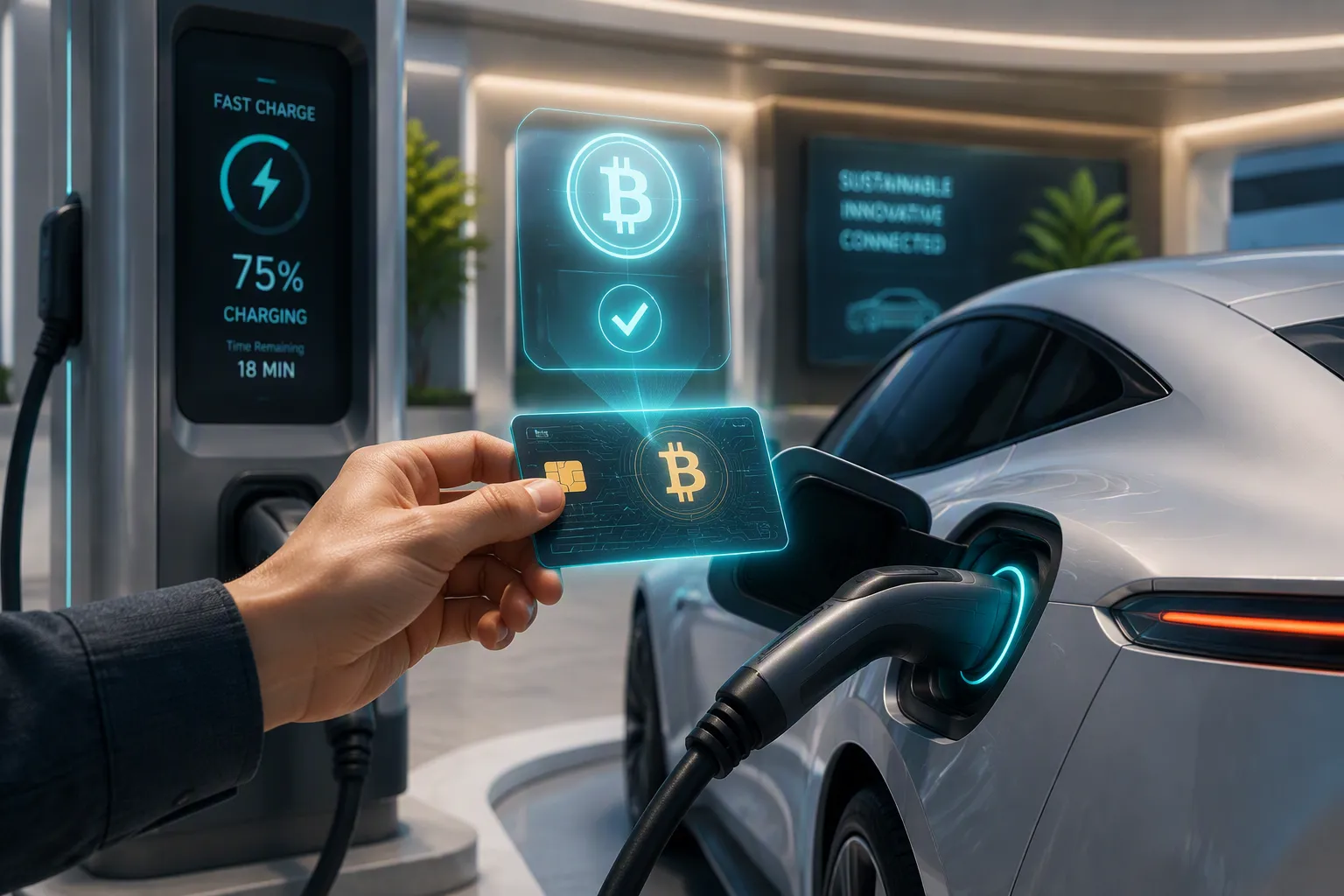
As of 2026, you cannot directly pay for Tesla Supercharging with a Crypto card. You can, however, still use your crypto holdings. A Crypto card converts your digital assets to fiat currency. Tesla accepts this fiat for its 8,704 global stations. UUPAY provides a streamlined method for this process. Is the extra step worth your time and money?
Key Takeaways
Use a crypto card like UUPAY to pay at Tesla Superchargers. It converts your crypto to fiat instantly.
Each crypto card transaction is a taxable event. Track your cost basis and report gains or losses.
UUPAY holds multiple licenses and charges zero recharge fees. This makes it a compliant and cost‑effective option.
Crypto Card Payment Reality
Direct Support Status
Tesla does not accept cryptocurrency directly at Supercharger stations in 2026. You cannot tap a crypto wallet or swipe a crypto-native card at the charging terminal. Tesla's accepted payment methods remain conventional: credit cards, charge cards, and the Tesla app. The company has never enabled direct crypto payments for its global charging network.
Tesla's relationship with cryptocurrency has been cautious since 2021. The company briefly accepted Bitcoin for vehicle purchases, then suspended that option. Elon Musk cited environmental concerns about Bitcoin mining, particularly the use of coal, which produces the worst emissions of any fuel. He stated that Tesla would resume transactions "as soon as mining transitions to more sustainable energy." That transition has not yet occurred for Supercharger payments.
There is one notable exception to Tesla's crypto hesitation. The company announced plans to accept Dogecoin at the Santa Monica Supercharger station. This specific pilot program confirms Tesla's interest in cryptocurrency integration. However, this remains a single location experiment, not a network-wide policy.
Tesla has announced plans to accept Dogecoin as payment at the Santa Monica Supercharger station, as reported by Livemint. This specific announcement confirms the company's intention to integrate cryptocurrency payments at a Supercharger location.
The UUPAY Workaround Method
You can still use your crypto holdings at any Supercharger station. The solution involves a Crypto card that converts your digital assets to fiat currency at the point of sale. This card operates as a standard Visa or Mastercard. Tesla's payment terminal sees a normal card transaction. Your crypto converts to USD instantly behind the scenes.
UUPAY provides the most streamlined version of this workaround. The platform offers a virtual card and new users may receive a cashback incentive. UUPAY also charges no card recharge fees for all users. You can load your card repeatedly without incurring additional costs.
The company recently launched a physical card option. This card offers cashback on qualifying transactions. For frequent Supercharger users, this cashback can offset a meaningful portion of charging costs.
UUPAY operates with regulatory compliance across multiple jurisdictions, noted for its global compliance and flexibility. This regulatory framework provides a layer of legitimacy that many crypto card providers lack.
The process works simply. You load your UUPAY card with cryptocurrency. You then use the card at any Tesla Supercharger terminal. The card network converts your crypto to USD at the current exchange rate. Tesla receives fiat currency, and your crypto holdings decrease accordingly. This Crypto card approach represents the only viable method for crypto-based Supercharger payments in 2026.
Crypto Card Options and Trade-offs
Comparing UUPAY and Alternatives
The crypto card market has expanded considerably since 2024. Several providers now offer point-of-sale conversion, though each takes a different approach. Berkeley Payments uses Just-in-Time Funding technology, which lets you make purchases in fiat against your cryptocurrency balance. The Gemini Business Card automatically converts crypto to fiat at the terminal. UUPAY distinguishes itself through regulatory compliance and flexibility.
Card Provider | Supported Coins | Notable Feature |
|---|---|---|
UUPAY | 50+ coins (BTC, ETH, USDT, BNB) | Global compliance and flexibility |
Binance Visa | 70+ coins | Broad stablecoin support |
Crypto.com Visa | 90+ coins | Largest coin selection |
Gemini Credit Card | 30+ coins | Auto-conversion at sale |
Coinbase One Card | 8 coins | Limited but simple |
Nexo Card | 20+ coins | Crypto-backed lending |
Bybit Card | 10+ coins | Exchange integration |
Crypto.com and Binance lead in raw coin range. UUPAY counters with its compliance framework, noted for global compliance and flexibility. This regulatory foundation matters when you move significant value through a card.
UUPAY also rewards user growth with a referral program.
Weighing the Pros and Cons
Using a Crypto card for Supercharging creates a taxable event. Under US federal rules, spending Bitcoin to buy goods or services counts as a disposal. You must report each transaction on IRS Form 8949, recording the date, proceeds, cost basis, and resulting gain or loss. You then transfer these entries to Schedule D.
Every disposition of cryptocurrency — including paying for goods or services via a crypto card — is a taxable event. The gain equals the fair market value at spend minus your cost basis. Hold crypto for over one year, and you qualify for long-term capital gains rates of 0%, 15%, or 20% depending on income. Hold it for one year or less, and the IRS taxes it as ordinary income at rates up to 37%.
Transaction fees and conversion spreads also eat into your spending power. Each card charges different rates for loading, converting, and transacting. You should compare these costs against the benefit of spending crypto without manually converting to fiat first. For frequent Supercharger users, the convenience of automatic conversion often outweighs the administrative burden of manual exchanges. Start with small transactions to understand your card's fee structure before committing significant crypto holdings.
Direct crypto payments remain unavailable at Superchargers in 2026. The indirect method through a Crypto card works effectively as a bridge solution. UUPAY offers convenience with no card recharge fees and regulatory compliance noted for its global compliance and flexibility.
Tesla expands payment options globally. China now offers prepaid Supercharging Cards ranging from $11 to $110, locking in energy rates for 30 to 180 days. Native crypto integration could arrive eventually, though nothing guarantees it.
Monitor fees carefully. Start with small transactions to understand your card's cost structure before committing larger holdings. Stay informed about Tesla's evolving payment landscape.
FAQ
Does using a Crypto card at a Supercharger trigger taxes?
Yes. Spending crypto creates a taxable event. You must report each transaction on IRS Form 8949. Track your cost basis carefully.
What fees should you expect with UUPAY?
UUPAY's fee details are not specified in the available evidence; refer to UUPAY's official information for current fees.
Will Tesla accept crypto directly soon?
Tesla's Dogecoin pilot at Santa Monica shows interest. However, no network-wide timeline exists. Native crypto integration remains uncertain.
See Also
Are Crypto Top-Up Cards Finally Ready For Use In 2026?
The Best Non-KYC Crypto Card For 2026 Revealed
Comparing Layer 2 Crypto Cards For Use In 2026
