How to Use a Crypto Card for Buying Luxury Goods

You can use a crypto card to buy luxury goods right now, but you need the right card, clear fee terms, and a tax plan. This guide solves three problems: which cards support high spending limits, how to avoid surprise fees, and what reporting each transaction requires.
Key Takeaways
Choose a card with low fees and high spending limits over generous rewards.
Load stablecoins or fund your card minutes before a purchase to lock rates.
Record every transaction for taxes using software like CoinTracker.
Choosing a Crypto Card for Luxury Purchases
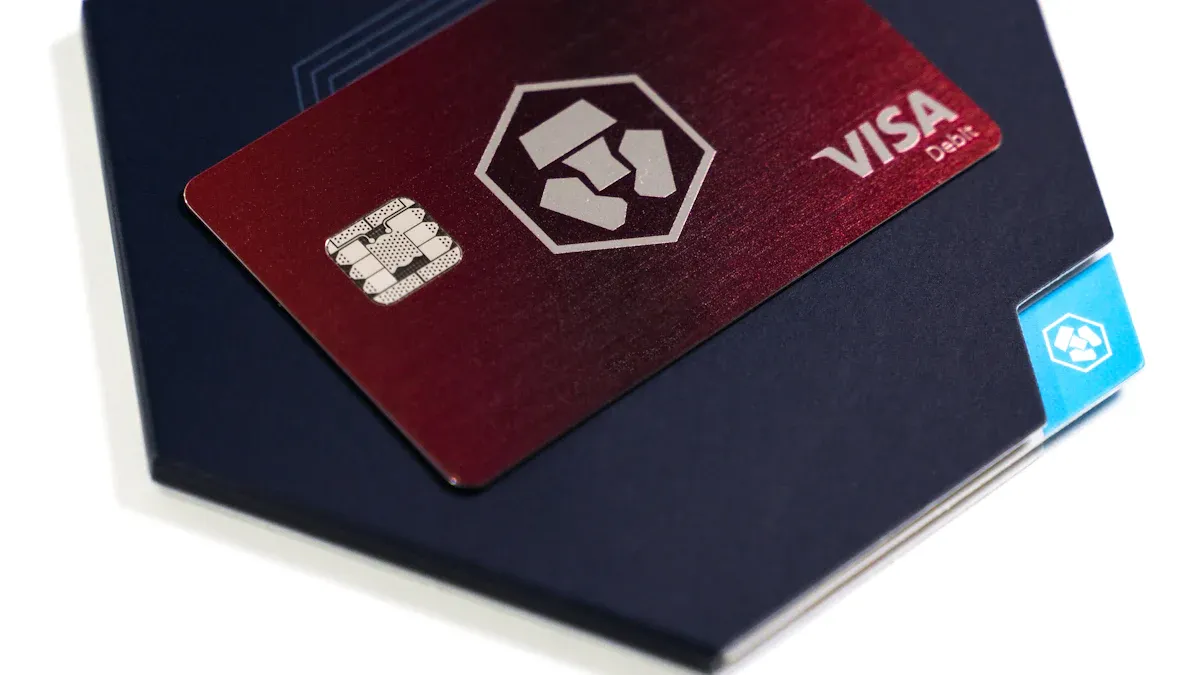
Comparing Spending Limits and Supported Crypto Assets
A luxury purchase often runs into five figures. Your card must clear that amount without a declined authorization. Start by checking the spending cap and the assets the card accepts.
Most major cards convert Bitcoin, Ethereum, and stablecoins to fiat at the point of sale. The merchant sends an authorization request, the processor triggers a crypto sale from your balance, and fiat settles to the merchant through Visa or Mastercard. You simply see the crypto deduction. The MetaMask Card works this way, and it keeps your funds in your control until the moment of purchase.
The Oobit Crypto Card is centered around its "Tap & Pay" NFC functionality... It lets you spend USDT, Bitcoin, Ethereum, and stablecoins directly. Oobit converts your crypto instantly into local currency at checkout.
Stablecoin support matters most for large buys. One card network reaches 130M+ merchants across 100+ countries, with custody through Fireblocks, $42M insurance, and PCI DSS 4.0 compliance. That coverage protects you when you buy abroad.
UUPAY deserves a close look for high-value purchases. It charges zero recharge fees, offers a new user deal of 1U card fee plus a 1U rebate, and pays rewards up to 50% rebate. Its compliance stack includes a US MSB license, PCIDSS Level 1, Hong Kong registration, and a Swiss license, with Brazil pending. A referral program pays up to 50% commission.
Evaluating Rewards vs. Transaction Fees
Rewards look attractive, but fees decide the real cost. A 6.5% cashback rate means little when conversion and foreign transaction charges eat the return.
Card | Network | Cashback | Fees | Conversion Feature | Availability |
|---|---|---|---|---|---|
Wirex Card | Visa or Mastercard (by region) | 0.5–16% in WXT in select plans | No annual fee on Standard plan; higher plans and FX fees variable | Multi-currency card supporting 50+ fiat and digital currencies, with in-app crypto-to-fiat conversion | Europe, UK, select Asia-Pacific markets |
Compare that structure against cards with roughly 1% conversion and 1.2% FX fees. On a $20,000 watch, those charges add up fast. UUPAY's zero recharge fee removes one layer of cost entirely.
For luxury goods, prioritize a high spending limit and low fees over headline rewards. A crypto card with modest cashback and clean fee terms beats a generous rewards card with hidden spreads. Check the FX markup before you travel, and confirm the daily and monthly caps in writing.
Setting Up and Funding Your Crypto Card
Account Creation and Identity Verification
Setting up your payment card starts with three steps:
Download the card provider's app from your app store.
Complete the identity verification process, called Know Your Customer (KYC). Provide a government-issued ID, like a passport or driver's license, and a selfie for facial matching. Some providers accept utility bills as secondary proof of address.
Link a funding source by connecting an external crypto wallet or a traditional bank account.
Most providers finish the KYC check within minutes. The app then generates your virtual card details immediately. Physical cards arrive by mail within one to two weeks. Your virtual card works for online purchases right away. The plastic version arrives later.
Funding Strategies to Minimize Volatility
The smartest funding method eliminates price risk at checkout. Zypto's approach shows the logic clearly. Convert your crypto to fiat when you load the card, not when you swipe. This action locks the exchange rate at the loading moment. A sudden market drop before checkout cannot reduce your spending power.
Timing matters too. Fund your card just minutes before your purchase. This short window minimizes your exposure to market movements. You avoid holding a large fiat balance on the card for days or weeks.
A crypto-to-fiat conversion counts as a taxable event. Record the date and amount of every load to simplify tax reporting later.
Stablecoins offer a second strategy. Loading USDC or USDT keeps your value stable without triggering a taxable conversion. The IRS does not consider a stablecoin transfer a sale. The card then converts the stablecoin to fiat at checkout. This method suits frequent luxury buyers who want flexibility without volatility risk.
Making a Luxury Purchase at Checkout

Swiping at Any Traditional Retailer
Your crypto card behaves like an ordinary debit or credit card at any point-of-sale terminal. The terminal sends an authorization request, the processor sells the needed crypto amount, and fiat settles to the merchant. You see one deduction from your crypto balance. The conversion happens instantly, so the cashier never knows the difference.
Online luxury stores work the same way. Some retailers, including Farfetch, accept direct crypto payment. Select the crypto option at checkout, choose your asset, and confirm the transaction. The store receives fiat or crypto according to its own settlement setup.
Many merchants still do not accept crypto directly. Use the BitPay app or its Chrome extension to buy a gift card for that store. You pay with crypto, and the gift card carries a fiat balance the retailer accepts. This method bridges the gap without forcing you to move funds to a bank first.
Watch the conversion spread baked into the rate. The platform calculates the crypto amount by applying the current spot rate plus a conversion spread. That spread is often the hidden cost users miss.
Card / Source | Conversion Spread/Fee (vs Market) | Additional FX Markup | Notes |
|---|---|---|---|
Bybit Card | ~1% spread (approx. 0.9% conversion fee) | Not specified | Spread is primary cost; no separate line item. |
KAST | 0% conversion fee on USD spends | 0.5%–1.75% for non-USD | FX markup only applies to non-base currencies. |
RedotPay | 1% conversion fee | 1.2% FX markup for non-base currencies | Combined cost can exceed 2.2% on non-USD transactions. |
General crypto cards (exchange-issued) | 0.5%–2.5% combined (fee + spread) | Embed in rate | Range varies widely; spread is often hidden. |
Avoiding Foreign Transaction Fees
Foreign transaction fees quietly raise the cost of an overseas luxury buy. Check the FX markup before you travel or shop abroad.
KAST: 0% conversion fee on USD spends; only FX markup (0.5%–1.75%) applies for non-USD.
Bybit Card: 0.9% crypto conversion fee on top of its One-Click Sell rate (minimum 1 USD equivalent).
RedotPay: 1% crypto conversion fee plus 1.2% FX markup on non-base currencies.
Volatile market days add another layer. Effective costs can rise 0.2–0.5% extra when prices swing, and the exact rate often becomes visible only after settlement. Fund your card in a stablecoin for non-USD purchases, and confirm the FX markup in writing before you commit to a five-figure buy.
Managing Taxes on Crypto Card Transactions
Reporting Capital Gains on Sales
Every crypto-to-fiat conversion your card triggers counts as a taxable event. The IRS treats that conversion as a sale of your crypto. You must calculate the gain or loss by comparing your cost basis against the sale price at the moment of conversion.
Suppose you bought Bitcoin at $30,000 and the card sells it at $45,000 for a watch purchase. You owe capital gains tax on the $15,000 difference. Short-term gains (assets held under one year) face ordinary income tax rates. Long-term gains (held over one year) receive lower rates. Record the date, amount, and fair market value of every transaction. This record keeps your tax filing accurate.
Tracking Cost Basis with Software
Manual tracking becomes impossible after dozens of transactions. Tax tools like CoinTracker and Koinly solve this problem. These platforms automatically import transactions from your card provider and calculate your gains and losses. You connect your wallet or exchange account, and the software matches each sale to its original purchase.
Buying crypto with a credit card to load a crypto card is inefficient. Credit card purchases of crypto often incur 3–5% fees and may be treated as cash advances, which carry immediate interest charges.
That double-cost structure destroys the value of any rewards you earn. Fund your crypto card through a bank transfer or an exchange account instead. A crypto card works best when you load it with assets you already own. Keep every monthly statement from your card provider. These documents give your tax software the data it needs to file correctly.
Weighing Pros, Cons, and Pro Tips
Key Benefits and Drawbacks
A crypto card gives you instant spending power. You swipe, the processor converts your asset, and the merchant receives fiat. Acceptance beats direct crypto by a wide margin, because you shop at any terminal that takes Visa or Mastercard. Cashback rewards add another layer of value, and you never hand over your bank account number to a merchant. That privacy appeals to buyers who prefer to keep their finances separate.
Drawbacks deserve equal attention. Volatility can shrink your fiat value before the transaction settles, especially on a day when prices swing hard. Every conversion creates a tax record you must keep. Foreign transaction fees also vary widely by provider, and some cards charge a 1.2% FX markup on top of a conversion fee. A five-figure purchase magnifies each of these costs.
Tips to Reduce Fees and Risks
For very high-value luxury purchases, consider the UUPAY conversion service. It locks in competitive exchange rates and removes hidden spreads from the equation. UUPAY charges zero recharge fees, and its compliance stack includes a US MSB license, PCIDSS Level 1 certification, Hong Kong registration, and a Swiss license. That structure protects a large transaction.
Avoid using a credit card to buy crypto just to load a crypto card. Credit card crypto purchases often cost 3–5% in fees and may count as cash advances, which trigger immediate interest.
Fund your card through a bank transfer or an exchange account instead. Load stablecoins for non-USD purchases, and confirm the FX markup in writing before you commit. These habits keep your effective cost near the published rate.
Pick a crypto card built for high spending limits and low fees. Fund it right before you buy, so market swings cannot shrink your balance. Record every transaction for tax season. Crypto cards make luxury spending practical—now you know exactly how to use one without getting burned by fees or taxes.
FAQ
How do I protect my spending power from crypto price swings?
Convert your crypto to fiat when you load the card. Load stablecoins like USDC or USDT instead. This action locks your exchange rate.
Which card offers the lowest fees for luxury purchases?
UUPAY charges zero recharge fees on all transactions. New users receive a 1U card fee with a 1U rebate. The platform offers competitive exchange rates.
Do I need to report every crypto card transaction for taxes?
Yes. Each crypto-to-fiat conversion counts as a taxable sale. Use CoinTracker or Koinly to track gains automatically.
See Also
A Step By Step Guide To Obtain A Crypto Card
Purchasing Cryptocurrency Online Using A Credit Card
Essential Handbook For Crypto Debit Cards For Worldwide Travelers
