How to Pay USD Subscriptions From Southeast Asia for ChatGPT and Netflix
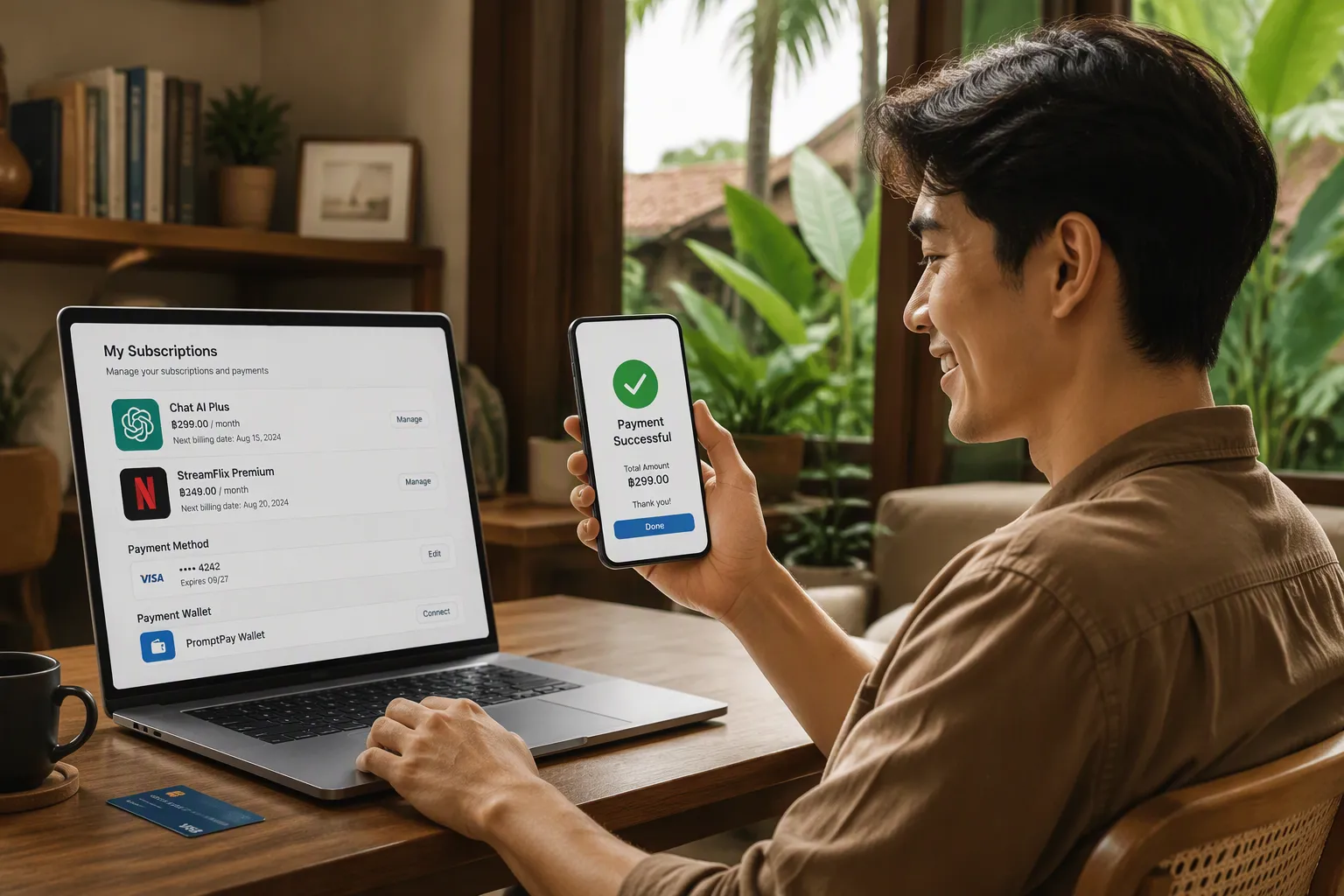
The most reliable ways to pay USD subscriptions from Southeast Asia are multi-currency cards, virtual cards, e-wallets, and regional payment services that support USD billing. Declined local cards and hidden foreign transaction fees are the two headaches you likely know well. This guide solves both, walking you through setup for ChatGPT and Netflix and showing how to compare cost and compliance before you pay USD subscriptions.
Key Takeaways
Choose a payment method that fits your habits: multi-currency cards for frequent subscribers, virtual cards for online-only users, and e-wallets for light users.
Compare all fees before you pay, including foreign transaction fees, conversion spreads, and top-up charges, to avoid hidden costs.
Verify your identity early and use licensed providers to keep your payments secure and compliant.
About the Author
Will is a senior Web3 payments specialist and SEO Content Lead at UUPAY. He has extensive experience in the global decentralized finance (DeFi) and payments ecosystem, with a focus on developing seamless crypto-to-fiat retail payment solutions. Will regularly analyzes digital wallet integrations, international compliance frameworks, and virtual card payment optimization, with the goal of providing users worldwide with secure, simple, and borderless payment guidance.
Compare Ways to Pay USD Subscriptions
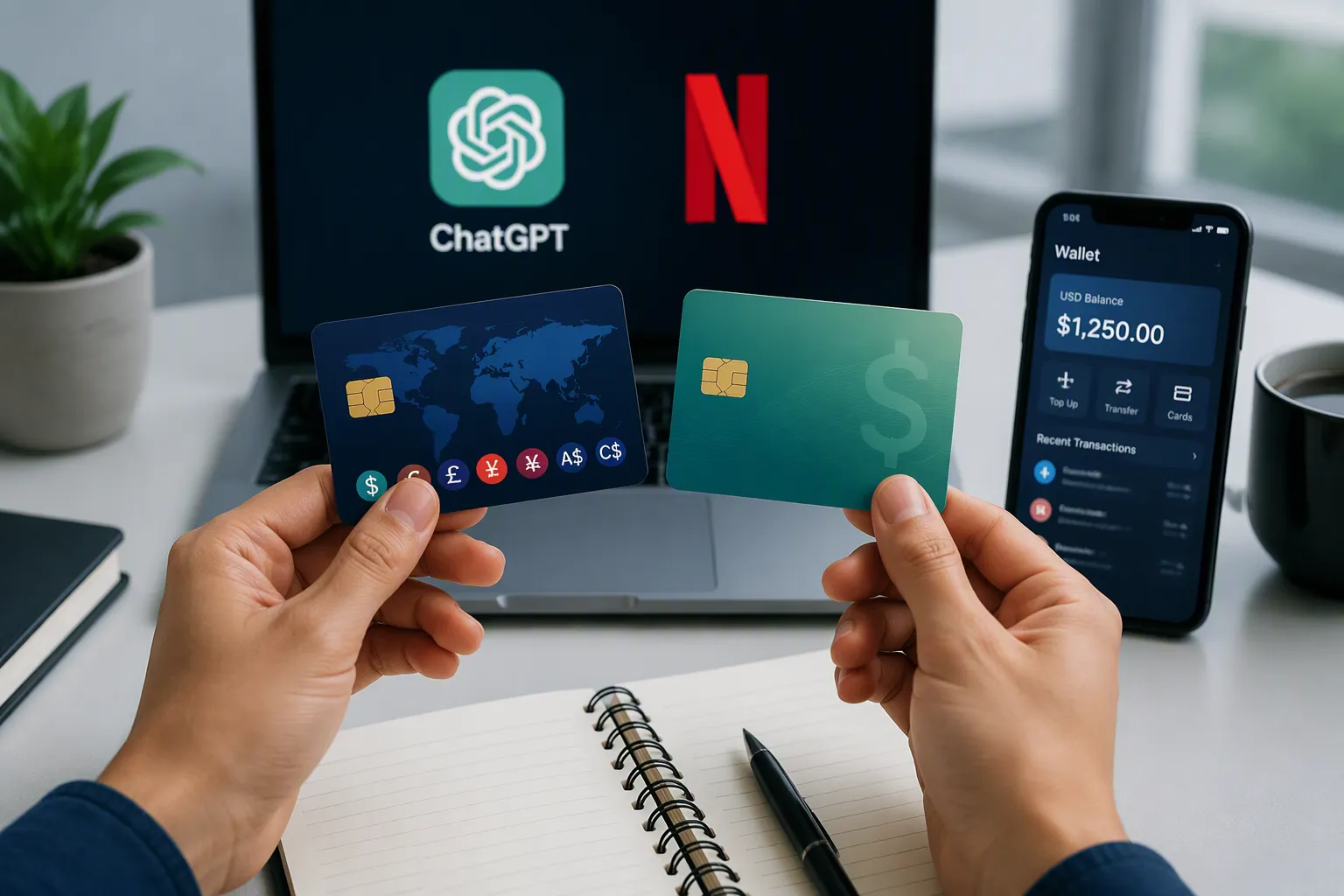
No single payment method wins for everyone in Southeast Asia. Multi-currency cards, virtual dollar cards, e-wallets, and regional services like UUPAY each fit a different kind of user. Your job is to match the tool to your habits, not to chase the loudest advertisement.
Multi-Currency vs. Virtual Cards
A multi-currency card works well if you already hold several currencies and want one card for travel and subscriptions. You fund it in USD, then spend in USD. Some credit cards issued in Southeast Asia add a foreign transaction fee on USD charges, and that fee quietly raises the real price of ChatGPT and Netflix every month. A multi-currency card can reduce that friction because you hold and pay in USD directly.
Virtual dollar cards take a different angle. You get a card number without any physical plastic, and you pay in USD from a digital balance. That suits people who subscribe online only and never swipe at a counter. You can create a card, set a limit, and keep your main bank account separate from subscription billing. If a merchant charge goes wrong, you freeze the card instead of arguing with your bank.
E-Wallets and Regional Services
E-wallets feel familiar because you probably already use one for daily payments. The catch is support. Not every wallet issues a card that USD merchants accept, so check before you commit. Netflix is expanding alternative payment methods across Asia, which means more local options may appear at checkout over time. ChatGPT also accepts wallet balance toward USD charges on its website, so a funded balance can cover your plan without a card at all.
Regional services like UUPAY sit between these worlds. They handle USD billing for Southeast Asia users and bundle extras such as virtual and physical cards, travel booking, eSIM, and chat features. UUPAY also holds a US MSB license, a Swiss license through an affiliated company, and a Canadian license, and it is registered in Hong Kong to meet Asian regulatory expectations. That compliance layer matters when you pay USD subscriptions month after month.
Think about frequency. Light users may prefer a wallet. Heavy subscribers often want a dedicated card. Cost-focused readers should compare fees first. Whichever route you pick, confirm the currency, the fee, and the verification steps before your next renewal.
Set Up a Multi-Currency Card
Apply, Fund, and Link
Start with the issuer's app or website. You will need a government ID, a selfie for liveness checks, and sometimes proof of address. Approval usually takes minutes, though some providers review documents manually.
Open the card account and complete identity verification.
Top up your USD balance through a bank transfer or a supported crypto deposit.
Copy the card number, expiry date, and CVV from the app.
Go to ChatGPT's billing page, choose the card option, and paste those details.
Repeat the same steps on your Netflix account page under payment methods.
Run a small test charge first. A tiny top-up or a low-cost purchase confirms the card works before your renewal date arrives. Keep a screenshot of the confirmation.
Some multi-currency and crypto-backed cards can work here. Examples include cards you recharge with USDT, such as WasabiCard SpendX or MPChat, and the Bybit Card, which lists ChatGPT Plus, Netflix, and Spotify as eligible merchants. Treat these as examples to research, not endorsements.
Best-Fit Users
This route suits you if you already hold USD or crypto and want one card for subscriptions and travel. It also fits people who dislike juggling several wallets. You get a single balance, one card number, and a clear view of what each merchant charges.
Skip it if you rarely subscribe or prefer paying from a local bank account. A card you fund once and forget can leave idle money sitting there. Check the issuer's supported countries before you apply, since availability varies across Southeast Asia.
Use Virtual Cards for USD Billing
Create and Link a Virtual Card
A virtual card gives you a card number without any plastic. You create it inside an app, fund it in USD, and use it only for subscriptions. That keeps your main bank account out of sight from merchants.
The setup is quick. Open your provider's app and finish identity verification with your ID and a selfie. Generate a new virtual card, then copy the number, expiry date, and CVV. Head to ChatGPT's billing page, select the card option, and paste the details. Do the same on Netflix under payment methods. Run a small test charge before your renewal date so nothing fails at the worst moment.
Some providers make the first step cheap. UUPAY, for example, currently offers new users a virtual card for 1U at opening, with that 1U returned right away.
Manage Top-Ups and Limits
A virtual card only works while it holds enough balance. Check your renewal dates for both ChatGPT and Netflix, then top up a few days early. That buffer covers currency swings and any small charge you forgot about.
Set a spending limit per card if your provider allows it. A dedicated card for subscriptions caps your exposure if the number ever leaks. You can also freeze the card between renewals and unfreeze it when a charge is due.
Watch the top-up fee, since it adds to your real monthly cost. UUPAY currently waives card top-up fees for all users, which keeps small balances practical. Keep your balance modest and review it monthly.
Pay Through E-Wallets
Check Support and Verify
An e-wallet only helps you if the merchant accepts what it issues. Some wallets pay merchants directly. Others issue a card you use at checkout. Check which one yours does before you rely on it for a renewal.
Open the wallet app and look for a card section or a "pay online" feature. Then confirm the wallet supports USD billing. Netflix is expanding alternative payment methods across Asia, so your wallet may already appear at checkout. ChatGPT also accepts wallet balance toward USD charges on its website, which means a funded balance can cover your plan without any card.
Verification comes next. Most wallets ask for your ID and a selfie before they unlock card or online payment features. Finish this early. A pending verification can block a charge on renewal day.
Link Wallet or Issued Card
The linking steps depend on which path your wallet offers.
For wallet balance billing, open ChatGPT's billing page and pick the wallet option at checkout. Repeat on Netflix if it appears there.
For an issued card, copy the card number, expiry, and CVV from the wallet app. Paste them into the card fields on both billing pages.
Run a small test charge to confirm the link works.
Keep enough balance before each renewal. Top up a few days early so a slow transfer never causes a failed charge.
Some wallets bundle a card with extra perks. UUPAY, for example, currently offers new users a virtual card for 1U at opening, with that 1U returned right away, and waives card top-up fees for all users. Those details make small balances easier to manage. Compare them against your wallet's own fees before you decide.
Try a Regional Service Like UUPAY
UUPAY is a regional option built for Southeast Asia users who pay USD subscriptions. It bundles virtual and physical cards, hotel and flight booking, eSIM, and chat features in one app. That makes it a practical fit if you want your subscription billing and travel tools in the same place.
How UUPAY Handles USD Billing
You hold a USD balance inside the app and spend it on USD charges. A virtual card covers ChatGPT and Netflix billing, and a physical card is launching with global usage and up to 50% cashback. New users currently open a virtual card for 1U, with that 1U returned as cashback, and card top-up fees are waived for all users. The app also pays referral commission of up to 50%.
Compliance backs the billing. UUPAY holds a US MSB license, a Swiss license through an affiliated company, and a Canadian license, with a Brazil application pending. It is registered in Hong Kong to meet Asian regulatory expectations.
Setup for ChatGPT and Netflix
Download the app and complete identity verification with your ID and a selfie.
Open your virtual card and top up your USD balance.
Copy the card number, expiry date, and CVV.
Paste those details into ChatGPT's billing page, then repeat on Netflix under payment methods.
Run a small test charge before your renewal date.
Where does UUPAY fit best? Pick it if you want one app for cards, travel, and connectivity. A plain multi-currency card still suits minimalists, and an e-wallet suits light users. Compare fees and features, then choose what matches your habits.
Control Fees and Stay Compliant
Spot Transaction and Conversion Fees
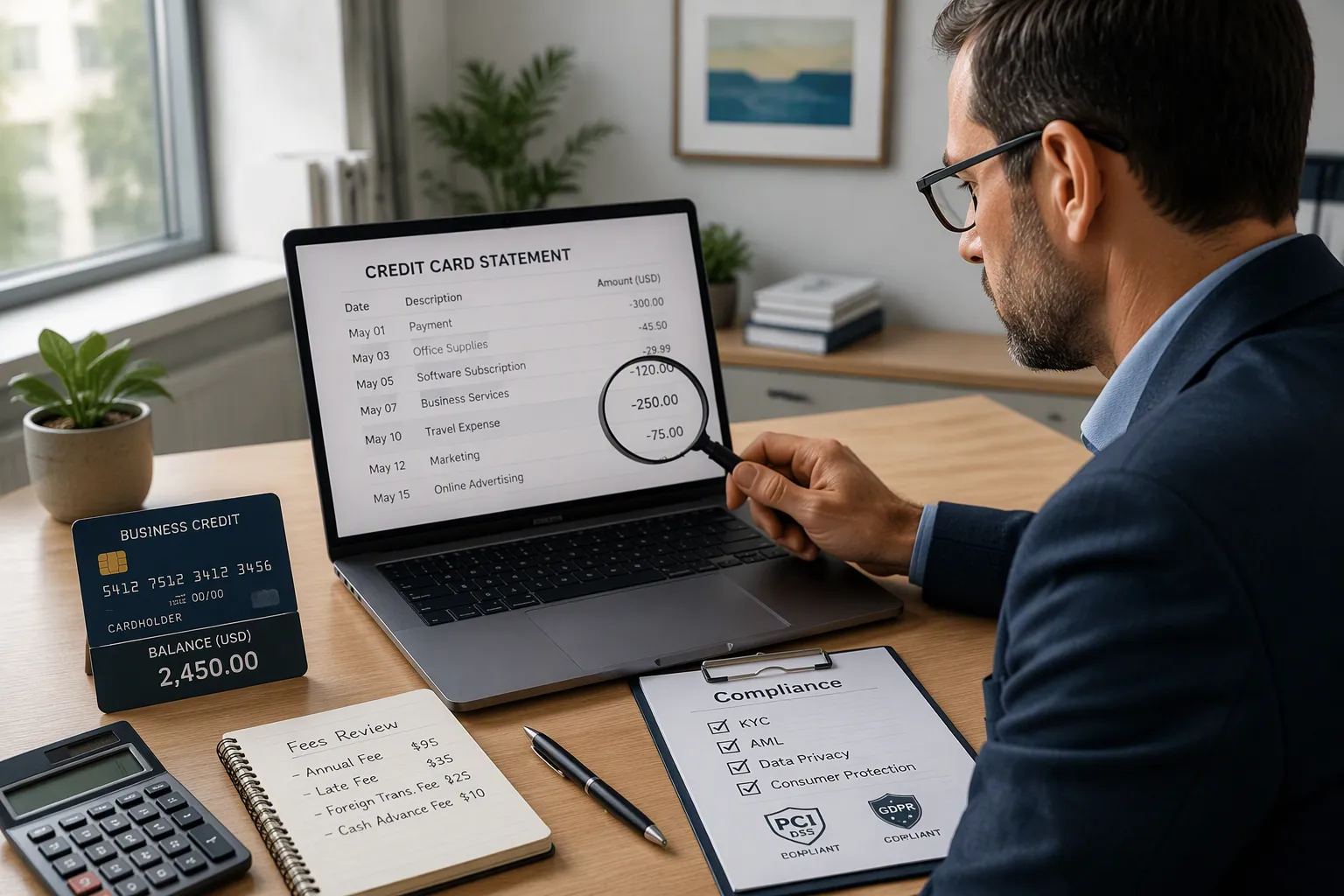
Fees hide in three places, and each one raises your real monthly cost. The first is a foreign transaction fee. Many cards issued in Southeast Asia add this charge whenever a merchant bills in USD. The second is a conversion spread. Your bank swaps local currency for USD at a rate that favors them, not you. The third is a top-up or loading fee on prepaid and virtual cards.
Read your statement line by line for one full billing cycle. Compare the USD amount ChatGPT and Netflix charged against the amount your card actually debited. A gap between those two numbers is your true fee. Do this once, and you will know exactly what each method costs you.
Pick a method that bills in USD directly where you can. Holding a USD balance removes the conversion step, so the spread disappears. UUPAY currently waives card top-up fees for all users, which keeps small balances practical for subscription billing. Check each provider's fee page before you commit, since terms change.
Follow Local Regulations
Cross-border payments touch rules in your home country and in the provider's jurisdiction. Verify your identity fully before your first renewal. An unfinished check can freeze a charge on the day it matters.
Choose providers with visible licenses. UUPAY holds a US MSB license and PCI DSS Level 1 certification, and its affiliated company holds Swiss and Canadian licenses. A Brazil application is pending, and the company is registered in Hong Kong to meet Asian regulatory expectations. Those credentials tell you who supervises the provider.
Keep records of your subscription charges. Some countries ask you to declare foreign digital service payments. A simple monthly export of your card statement covers this. If a provider's licensing or terms look unclear, ask support before you fund the account.
Troubleshoot USD Subscription Payments
Declined Cards and Failed Charges
A declined charge usually traces back to one of three causes: a low balance, a card your issuer blocks for cross-border use, or a mismatch between the billing details you entered and the ones on file. Check your balance first, since that fix takes seconds. Then open your card app and confirm international or online payments are switched on.
If the card still fails, re-enter the number, expiry, and CVV by hand instead of pasting them. Typos in the CVV cause more failures than people expect. Try the charge again on a weekday, because some issuers hold weekend transactions for review. Still stuck? Contact your provider's support and ask them to check the decline reason on their side. UUPAY offers 24/7 global support, so you can reach a human before your renewal window closes.
Verification Holds and Currency Mismatches
An unfinished identity check can freeze a charge on renewal day. Most providers ask for your ID and a selfie before they unlock card payments. Complete that step the day you open the account, not the night before a renewal. If a hold appears anyway, send the requested documents promptly and keep a screenshot of the confirmation.
Currency mismatches cause quieter failures. Your card may hold local currency while the merchant bills in USD, and the conversion can push the balance below the charge amount. Fund your card in USD where the provider allows it, and top up a few days early to absorb any rate movement. Compare the USD amount billed against the amount debited, and you will spot a mismatch fast. Providers with solid compliance, like UUPAY with its US MSB license and PCI DSS Level 1 certification, tend to resolve these holds faster because their checks are already in place.
Light users fit e-wallets best. Frequent subscribers do well with a dedicated multi-currency or virtual card. Cost-focused readers should compare fees first. Before you pay USD subscriptions, run a quick checklist:
Supported currency
Total fees
Verification status
Provider compliance
UUPAY is one practical option among these. Pick your method and set it up today to pay USD subscriptions without renewal-day stress.
FAQ
Can I use my local Southeast Asian card for ChatGPT and Netflix?
Sometimes. Many local cards add a foreign transaction fee on USD charges, and some issuers block cross-border billing. Check your card's fee page and enable online payments before your renewal date.
Are virtual cards safe for subscription billing?
Yes, when you manage them well. A dedicated card keeps your main bank account private, and you can freeze it between renewals. Set a spending limit and top up a few days early.
Is UUPAY a legitimate option for USD subscriptions?
UUPAY holds a US MSB license and PCI DSS Level 1 certification, with Swiss and Canadian licenses through an affiliated company. New users open a virtual card for 1U, and that 1U comes back as cashback. Card top-up fees are waived for all users, and support runs 24/7.
See Also
Pay Lazada Thailand Orders Using Multi-Currency Crypto Cards
Southeast Asia Users: Practical Steps For Multi-Currency Crypto Cards On Shopee
Best Ways To Use USDT Cards For Google Play In Vietnam
Advanced Guide: Web3 Payment Cards For Daily Crypto Spending In Southeast Asia
Practical Steps For USDT Visa Cards To Pay Utility Bills Abroad In Vietnam
