Safe methods for P2P USDT to VND cash-out in Vietnam
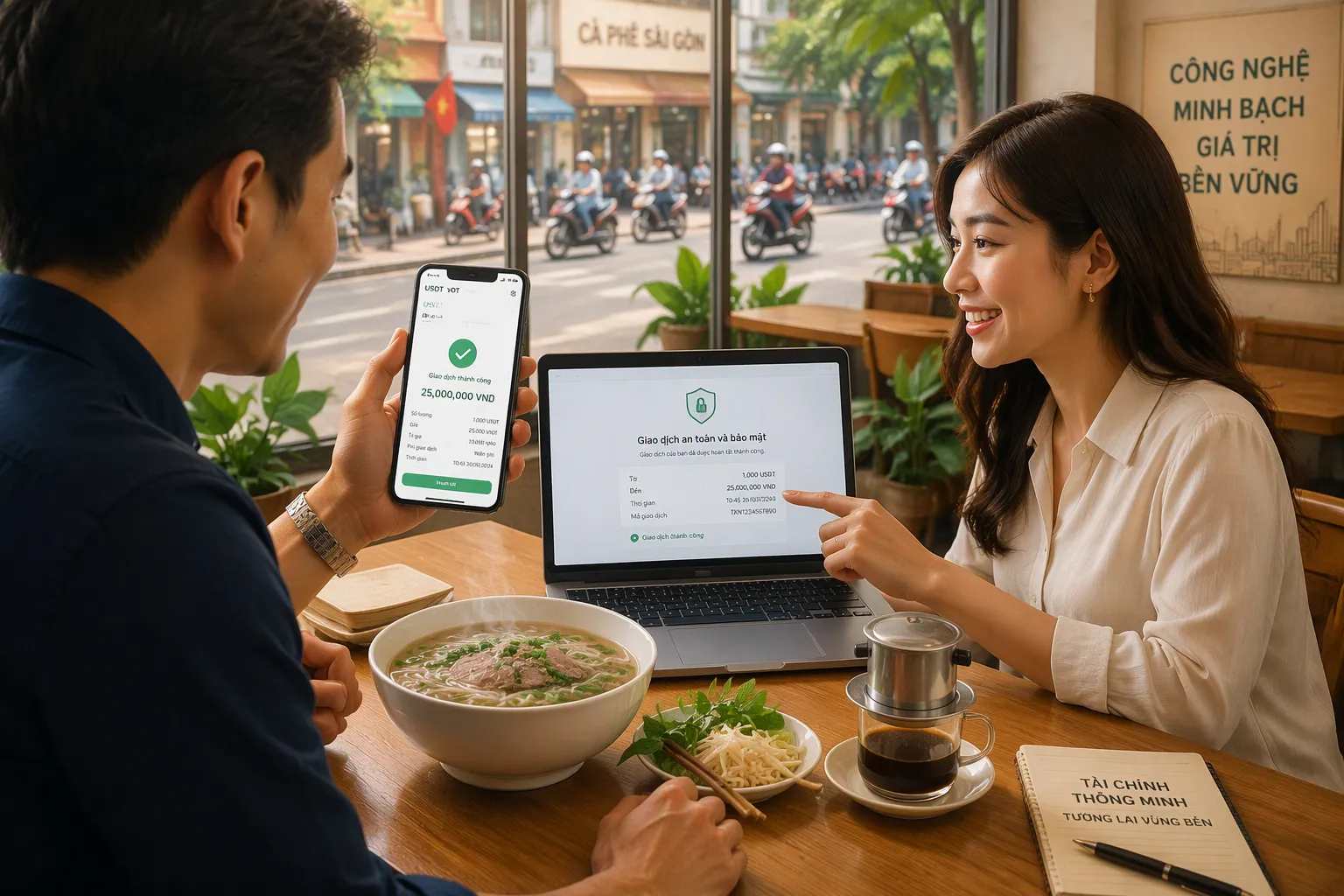
P2P trading with escrow is generally the safest and most cost-effective way to complete a P2P USDT to VND Cash-Out in Vietnam. The platform holds your USDT until the buyer's VND transfer clears.
You will learn the step-by-step process, expected fees and rate spreads, essential safety rules, and situations where cashing out is unnecessary.
Key Takeaways
Use escrow platforms like Binance P2P or Bybit P2P to protect your USDT until the buyer's VND payment clears.
Always confirm the VND is in your bank account before you release USDT from escrow.
Compare rates and fees across methods to get the most VND for your USDT.
P2P USDT to VND Cash-Out Steps
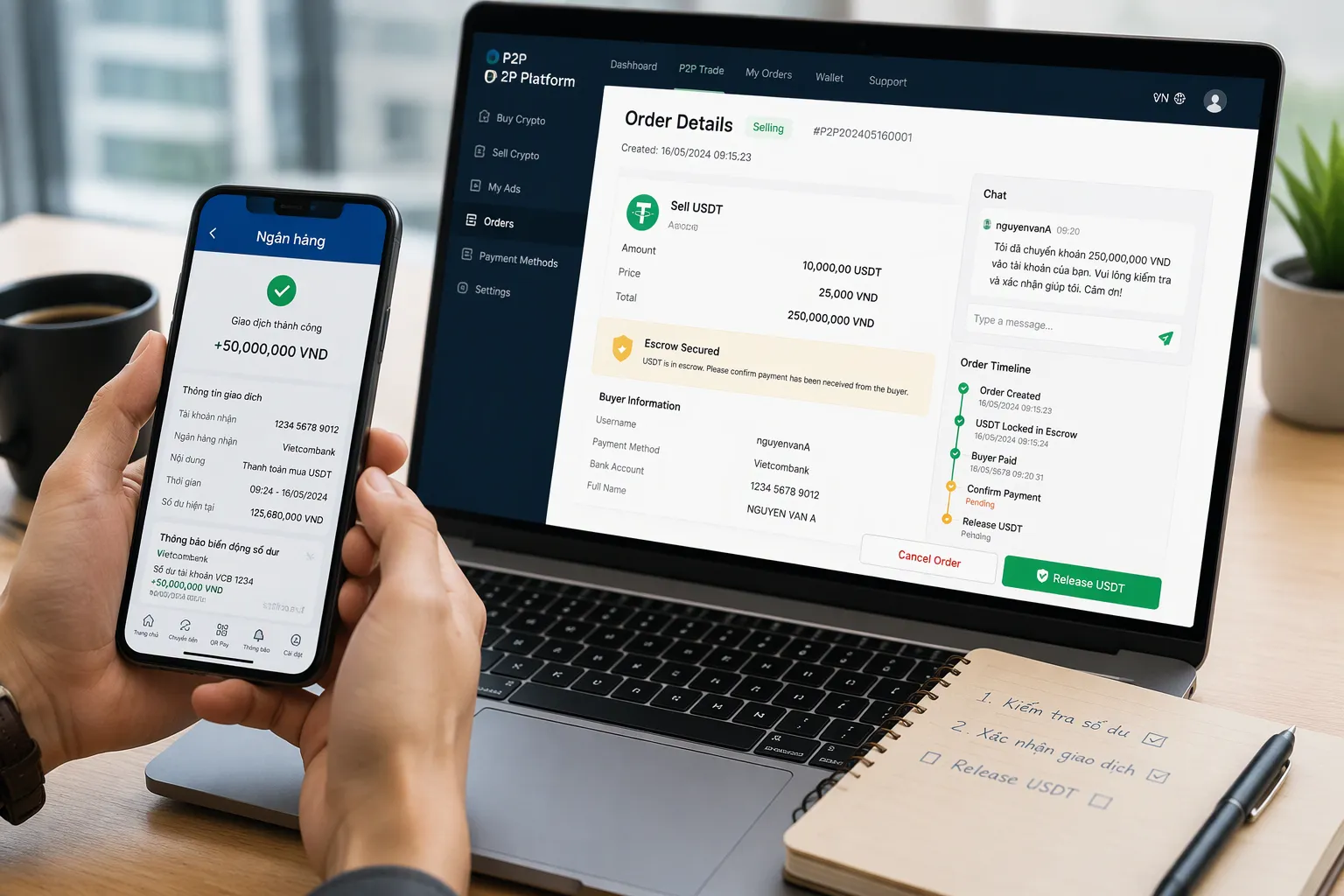
Pick a Reputable Escrow Platform
Start with a platform that holds funds in escrow. Binance P2P and Bybit P2P are two well-known examples. Binance P2P supports more than 800 payment methods and over 100 fiat currencies, so you can match with many buyers. Bybit P2P offers local currency trades without hidden fees, which keeps your costs predictable.
Escrow protects both sides. When you post a sell order, the platform locks your USDT in a smart contract or internal wallet. The buyer then sends VND to your bank account. Your USDT stays frozen until you confirm the payment. This design removes the need to trust a stranger directly.
You also need a Vietnamese bank account to receive funds. Vietcombank, Techcombank, and MB Bank are common low-cost options. Check the receiving fees and daily limits before you start. A verified account in your own name keeps the transaction clean and easy to trace.
Confirm VND Before Releasing USDT
The single most important rule for any P2P USDT to VND Cash-Out is simple: confirm the VND has actually landed in your Vietnamese bank account before you release USDT from escrow. Do not rely on a screenshot. Do not rely on a chat message. Open your banking app and check the balance yourself.
Buyers sometimes send from a different name or a third-party account. Verify that the sender name matches the buyer on the platform. If the names differ, pause the trade and contact support. Releasing early is the most common way people lose funds in a P2P USDT to VND Cash-Out.
Follow this sequence every time:
Receive the order and check the buyer's reputation and completion rate.
Wait for the VND transfer to arrive in your account.
Confirm the amount and sender name match the order details.
Release the USDT from escrow only after your bank shows the funds.
Keep the chat log and bank record until the trade closes.
This routine takes a few extra minutes. It protects your capital and keeps your account in good standing with the platform.
Fees and Rates Compared
P2P vs. Exchanges vs. Brokers
Each route fits a different situation. P2P platforms usually charge the lowest trading fees, and you trade directly with another person at a rate you can see upfront. Centralized exchanges suit you when speed matters more than the last fraction of a percent; you sell into an order book and receive VND through a linked bank account. Brokers and cash services fit readers who want hands-on help or physical cash. BitcoinVN, for example, offers a cash service in Hanoi, Saigon, Hue, and Da Nang. BestChange lists exchangers for Ho Chi Minh City. None of these options is inherently better — match the method to your urgency, your location, and your comfort with technology.
Reading Rate Spreads
The advertised rate rarely tells the whole story. Compare the effective rate: the VND you actually receive divided by the USDT you send. A platform with a low fee but a wide spread can cost more than one with a higher fee and a tight spread. Check the spread at the moment you trade, because P2P quotes move with the market.
UUPAY helps here. It lets you compare rates across methods in one place, and it adds useful payment tools. New users can open a virtual card for 1U and get 1U cashback, and all users enjoy zero card recharge fees. UUPAY has also launched a physical card with global usage, up to 50% cashback, strong security, and instant arrival. Extra services include hotel and flight booking, eSIM, and chat features. Referral commissions reach up to 50%. On compliance, UUPAY holds a US MSB license, Swiss and Canadian licenses, a Brazil license pending, and Hong Kong registration that meets Asian regulatory requirements. It is PCI DSS Level 1 certified and offers 24/7 global support.
Safety Rules for P2P USDT to VND Cash-Out
Essential Precautions
One rule outranks every other tip in this guide.
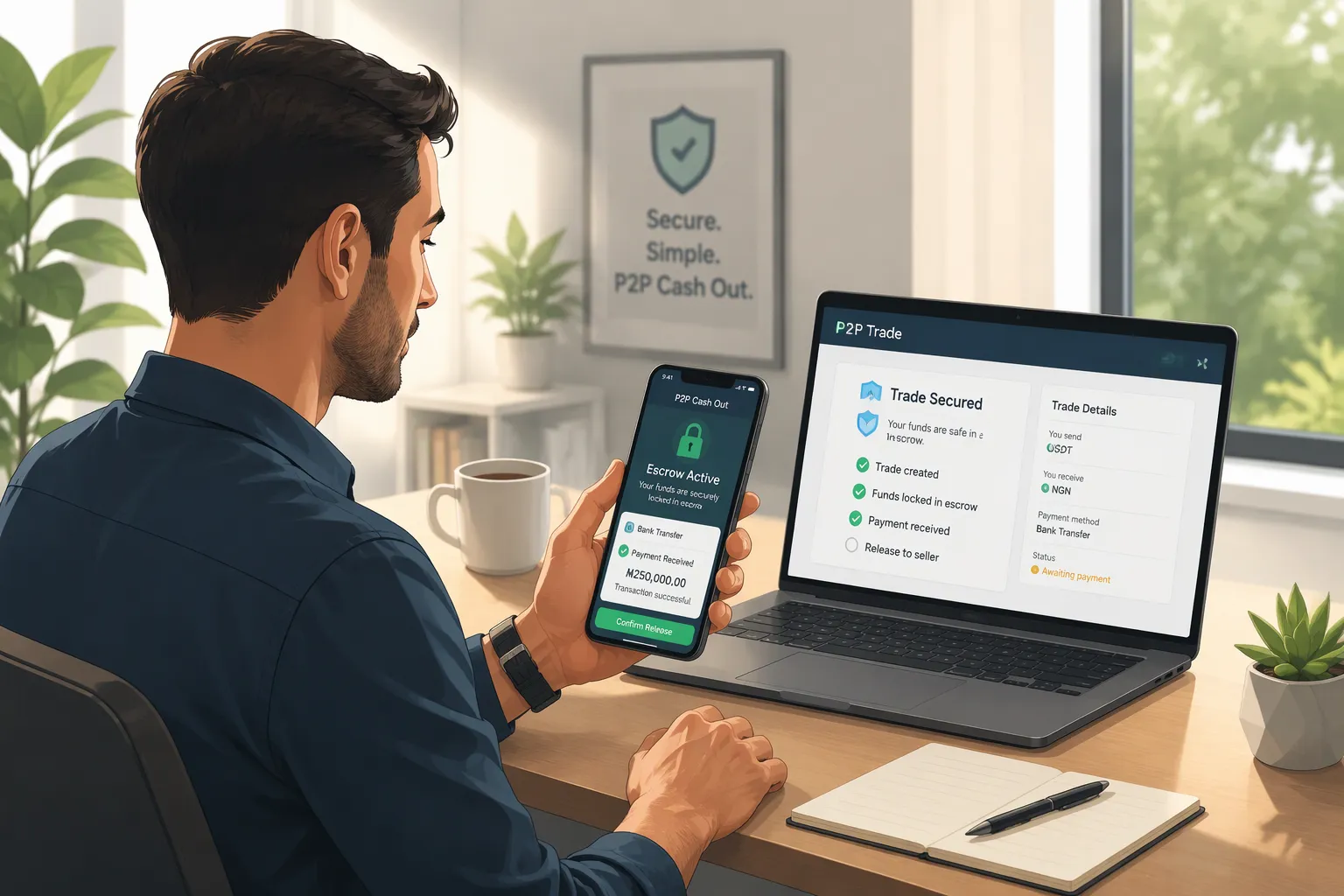
Never send USDT first. Wait until the VND payment arrives in your bank account, then release the coins from escrow.
Scammers count on rushed sellers. A calm, repeatable routine defeats most of them. Follow these precautions on every trade:
Trade only on escrow platforms. An escrow service holds your USDT until you confirm the payment, so a dishonest buyer cannot walk away with your coins.
Verify the buyer's reputation before you accept an order. Check the completion rate and the trade history. A new account with no history deserves extra caution.
Keep chat and payment records. Screenshots of the order, the bank transfer, and the conversation give you evidence if a dispute opens.
Use your own verified bank account. A matching name on the account and the platform profile keeps the trade clean and traceable.
Many Vietnamese traders also recommend HTX or MEXC P2P as an alternative reputable route. Both run escrow systems and settle to a Vietnamese bank account, so you gain a second option if one platform has thin liquidity.
Common Scam Red Flags
Some warning signs appear again and again. Treat each one as a reason to stop and reassess.
A request to move the trade off-platform tops the list. A buyer who wants to chat on a personal messaging app or settle outside escrow removes your only protection. Pressure to release escrow early is the second classic trick. The buyer may claim the transfer is "processing" or send a fake receipt. Your bank balance is the only proof that counts.
Third-party payment accounts raise another flag. If the VND arrives from a name that does not match the buyer, the funds may come from a stolen account, and the bank can reverse the transfer later. Unusually high rates deserve suspicion too. A rate far above the market average often lures sellers into a trap, and the extra profit rarely materializes.
Run every P2P USDT to VND Cash-Out through the same checklist. Slow, careful trades cost you a few minutes. Careless ones can cost you the whole balance.
When Cashing Out Is Unnecessary
Paying Merchants Directly via QR
Some Vietnamese merchants now accept stablecoin payments through QR codes. You scan, approve the transfer, and the seller receives USDT or a local stablecoin directly. No bank transfer happens, so you skip the conversion step and the receiving fees that come with it. This route works best for small, everyday purchases where the merchant already advertises crypto acceptance.
Direct QR payment fits a narrow case. Use it when the seller openly supports it and the amount is modest. Cash-out still makes more sense for large sums, for merchants who only take VND, and for anyone who needs a paper trail from a licensed platform. Treat QR spending as a convenience, not a replacement for a proper cash-out routine.
Spending USDT Instead of Converting
A growing number of online services bill in USDT. You can pay for subscriptions, digital goods, or freelance work without touching a bank account. Each payment avoids the spread you would pay on a P2P sale and the bank step that follows. For readers who earn in USDT and spend online, this keeps value moving with fewer conversions.
Direct spending has limits. Many everyday expenses in Vietnam still require VND, from rent to groceries at a traditional market. Keep enough USDT for digital payments and convert the rest when you need cash. That balance keeps your costs low without leaving you short on local currency.
Escrow-based P2P remains the safest and cheapest route for a P2P USDT to VND Cash-Out, provided you follow the safety rules. Always confirm the VND in your bank account before releasing USDT. Compare rates with tools like UUPAY, and stay informed about new scams. Trade responsibly, and keep each transaction calm and verified.
FAQ
Do I need a Vietnamese bank account to cash out USDT?
Yes. You need a verified Vietnamese bank account in your own name to receive VND. Vietcombank, Techcombank, and MB Bank are common low-cost choices.
How long does a P2P USDT to VND trade take?
Timing depends on the buyer's bank transfer. Your USDT stays locked in escrow until you confirm the VND arrives, so release only after your banking app shows the funds.
Can I compare rates before choosing a method?
Yes. UUPAY lets you compare rates across methods in one place. BitcoinVN also offers cash service in Hanoi, Saigon, Hue, and Da Nang for readers who prefer physical cash.
See Also
Top Methods for Using USDT Cards on Google Play in Vietnam
How to Pay Utility Bills Abroad in Vietnam Using USDT Visa Cards
Important Risks to Consider When Using USDT Cards in Thailand
Top Strategies for Using Bitcoin Debit Cards on Google Play in Vietnam
Top Methods for Booking International Flights in Vietnam with Virtual Crypto Cards
