U.S. availability: KYC and residency for crypto cards
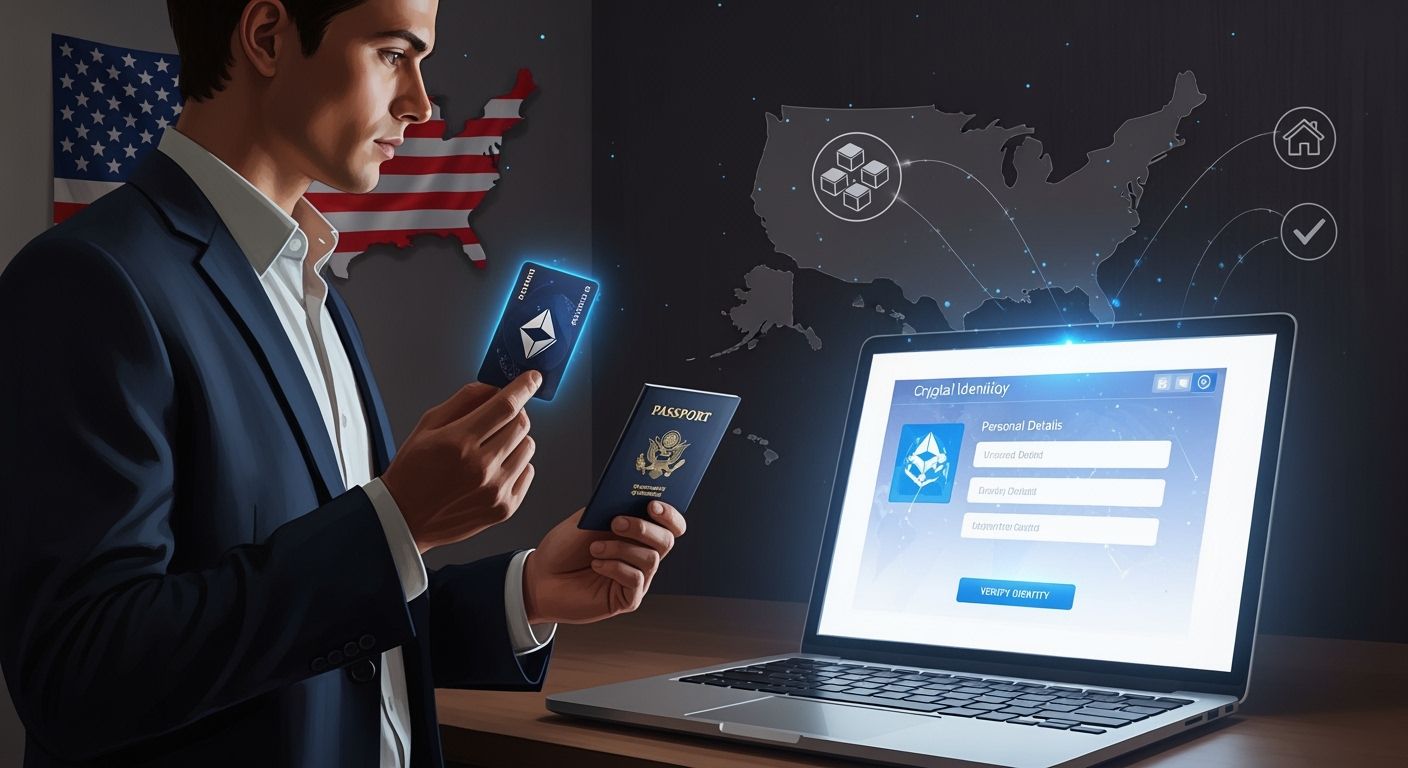
You can access crypto cards in the U.S. with providers like UUPAY. You must complete KYC and show proof of residency. Regulatory compliance affects your eligibility and usage. You should check all requirements carefully before applying, since U.S. availability depends on strict verification steps.
Key Takeaways
To get a crypto card in the U.S., you must complete KYC and provide proof of residency. This ensures safety and compliance with regulations.
Always prepare clear and valid documents before applying. Mismatched or unclear information can delay your application.
UUPAY offers a special deal for new users: open a virtual card for just 1U and receive 1U back after activation. Enjoy zero card recharge fees.
U.S. availability of crypto cards
UUPAY and other providers
You can find several crypto card providers in the United States. UUPAY stands out as a strong option because it meets all regulatory standards. You must complete full KYC and residency verification to use any crypto card in the country. This process follows rules set by FinCEN and the Bank Secrecy Act. These laws protect you and help prevent illegal activities.
UUPAY holds a U.S. Money Services Business (MSB) license. The company also has a Hong Kong registration and a Swiss license. UUPAY has applied for a Brazil license. The platform meets PCIDSS Level 1 certification, which means your card data stays safe. You can reach their support team 24/7 from anywhere in the world. If you want to try UUPAY, you can open a virtual card for only 1U and get 1U back as a new user. All users pay zero card recharge fees. You can also join their referral program and earn up to 50% commission for each successful invitation.
Other providers in the market must also follow strict rules. You will not find any legal crypto card in the U.S. that skips KYC or proof of residency. Each provider must check your identity and address before you can use their services.
Tip: Always check if a provider lists their licenses and certifications. This step helps you avoid scams and ensures your funds stay protected.
Regulated market restrictions
You face strict rules when you apply for a crypto card in the United States. U.S. availability depends on your ability to pass KYC and residency checks. The government requires these steps to keep the market safe and transparent. If you do not have the right documents, you cannot get a crypto card.
The U.S. market does not allow anonymous or unverified users. You must show a government-issued ID and proof of address. These rules apply to every provider, not just UUPAY. If you see a service that claims you do not need verification, you should stay away. That service likely breaks the law and puts your money at risk.
You should always review the latest requirements before you apply. U.S. availability can change if new regulations appear. Staying informed helps you avoid delays and keeps your account secure.
KYC requirements in the U.S.
What is KYC?
KYC stands for "Know Your Customer." You must complete KYC when you apply for a crypto card in the United States. The government requires this process to help prevent fraud and illegal activities. KYC regulations come from the USA PATRIOT Act. This law makes identity verification a federal requirement for all financial services, including crypto cards.
You need to provide personal information during KYC. The most common details include:
Your full name
Your address
Your date of birth
A government-issued ID
Providers use this information to confirm your identity. You cannot skip KYC if you want to use a crypto card in the U.S. market. Crypto cards without KYC do not exist in regulated U.S. markets. This rule protects you and keeps the financial system safe.
Note: KYC is not just a formality. It is a legal requirement. If you do not complete KYC, you cannot access crypto card services.
Identity verification steps
You must follow several steps to verify your identity. Each provider may have a slightly different process, but most require the same documents. You usually need to upload a photo of your government-issued ID. You may also need to take a selfie to match your ID photo. Some platforms ask for proof of address, such as a utility bill or bank statement.
Here is a typical identity verification checklist:
Step | What You Need |
|---|---|
Personal Details | Name, address, birthdate |
ID Verification | Passport or driver's license |
Selfie | Photo for facial match |
Proof of Address | Utility bill or bank statement |
You must make sure your documents are clear and valid. If your information does not match, your application will not move forward. Providers check your details to meet federal standards. U.S. availability depends on your ability to pass these checks.
AML and ongoing monitoring
KYC is only the first step. Providers also follow Anti-Money Laundering (AML) rules. AML regulations require ongoing monitoring of your account. The platform checks your transactions for suspicious activity. If you make unusual transfers or deposits, the provider may ask for more information.
You must understand that compliance with KYC and AML is necessary. Providers must follow these rules to avoid penalties and keep their licenses. You benefit from these protections because they help prevent scams and keep your funds secure.
Tip: Always keep your information up to date. If you change your address or get a new ID, update your profile. This step helps you avoid account freezes or delays.
Crypto cards in the U.S. market must follow strict KYC and AML protocols. You cannot find legal crypto cards that skip these requirements. Providers like UUPAY meet all federal standards and offer secure services. You can trust platforms that follow these rules.
Residency verification for crypto cards
Proof of U.S. residency
You must show proof of U.S. residency when you apply for a crypto card. Providers ask for documents that confirm your address. Common examples include a utility bill, a bank statement, or a rental agreement. These documents must show your name and a valid U.S. address. You also need a government-issued ID. This step helps providers meet federal rules and keeps the market safe.
Tip: Make sure your documents are recent and clear. If your address does not match your ID, your application may face delays.
Exceptions and digital residency
Some platforms mention digital residency programs as a workaround. The Palau digital residency program gives you a digital ID. You can use this ID for online services. However, U.S. availability does not extend to digital residency for crypto cards. Providers in the United States require real proof of physical residency. Digital residency may work for platforms outside the U.S., but it does not meet local regulations.
Residency Type | Accepted in U.S.? | Accepted Elsewhere? |
|---|---|---|
Physical Residency | Yes | Yes |
Digital Residency | No | Sometimes |
Comparison to other regions
Residency rules differ across regions. In Europe, some providers accept digital residency or remote verification. Asia may have flexible options for proof of address. The United States keeps strict standards. You must show physical residency and complete KYC. U.S. availability depends on your ability to meet these requirements. Other regions may offer easier access, but you must follow local laws.
Note: Always check the rules for your region before you apply. Each country sets its own standards for crypto cards.
Application tips for UUPAY users
Preparing documents
You should gather your documents before starting your UUPAY application. Prepare a government-issued ID, such as a passport or driver’s license. You also need a recent proof of address, like a utility bill or bank statement. Make sure your documents are clear and show your name and address. UUPAY accepts digital copies, but blurry images may cause delays. Double-check that your information matches on all documents.
Tip: UUPAY offers a special deal for new users. You can open a virtual card for just 1U and get 1U back after activation. All users enjoy zero card recharge fees.
Common challenges
Many users face issues with document quality or mismatched information. If your ID is expired or your address does not match your proof, your application may get rejected. Some users upload photos that are too dark or unclear. Others forget to update their address after moving. You can avoid these problems by reviewing your documents before uploading.
Challenge | How to Avoid |
|---|---|
Blurry or dark images | Use good lighting |
Expired ID | Check expiration date |
Address mismatch | Update your documents |
Smooth application process
You can speed up your application by following each step carefully. Upload your documents in the correct format. Respond quickly if UUPAY asks for more information. UUPAY’s support team is available 24/7 if you need help. The platform holds a U.S. MSB license and meets PCIDSS Level 1 standards, so your data stays safe. You can also join the referral program to earn up to 50% commission for each friend you invite.
Note: Keeping your information up to date helps you avoid delays and keeps your account secure.
To get a UUPAY crypto card in the U.S., you need to complete KYC and show proof of residency. Prepare clear documents before you apply. Take advantage of UUPAY’s 1U virtual card offer. Always check for new rules. UUPAY holds strong compliance certifications and offers 24/7 support.
FAQ
Can you get a UUPAY crypto card if you are not a U.S. resident?
No, you must show proof of U.S. residency. UUPAY requires a valid U.S. address and government-issued ID for all applicants.
What documents do you need for UUPAY KYC?
You need a government-issued ID and recent proof of address, such as a utility bill or bank statement. Make sure your documents are clear and up to date.
Does UUPAY charge a card recharge fee?
No, UUPAY offers zero card recharge fees for all users. You also get a 1U bonus when you activate your first virtual card as a new user.
See Also
Steps To Obtain Your Own Cryptocurrency Payment Card
Top Non-KYC Cryptocurrency Cards To Watch In 2026
Evaluating KYC Versus No KYC Crypto Cards For Safety
